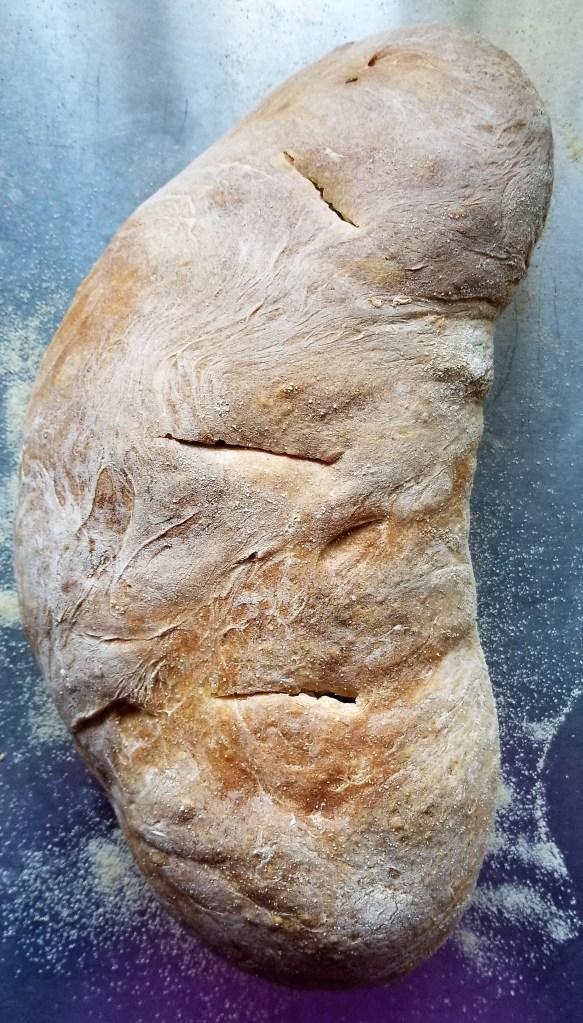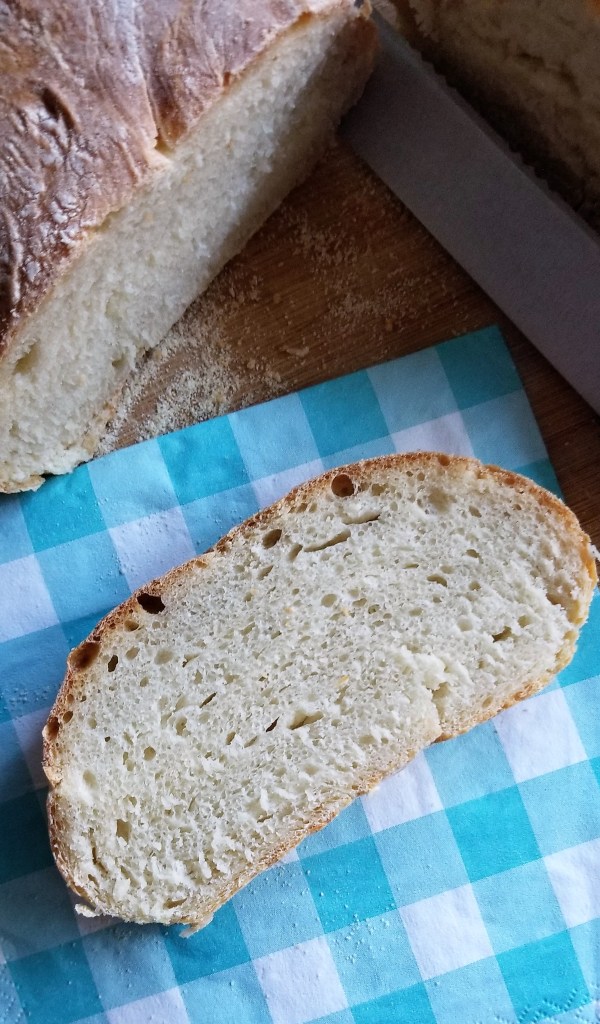
Bread #3: Fococcia

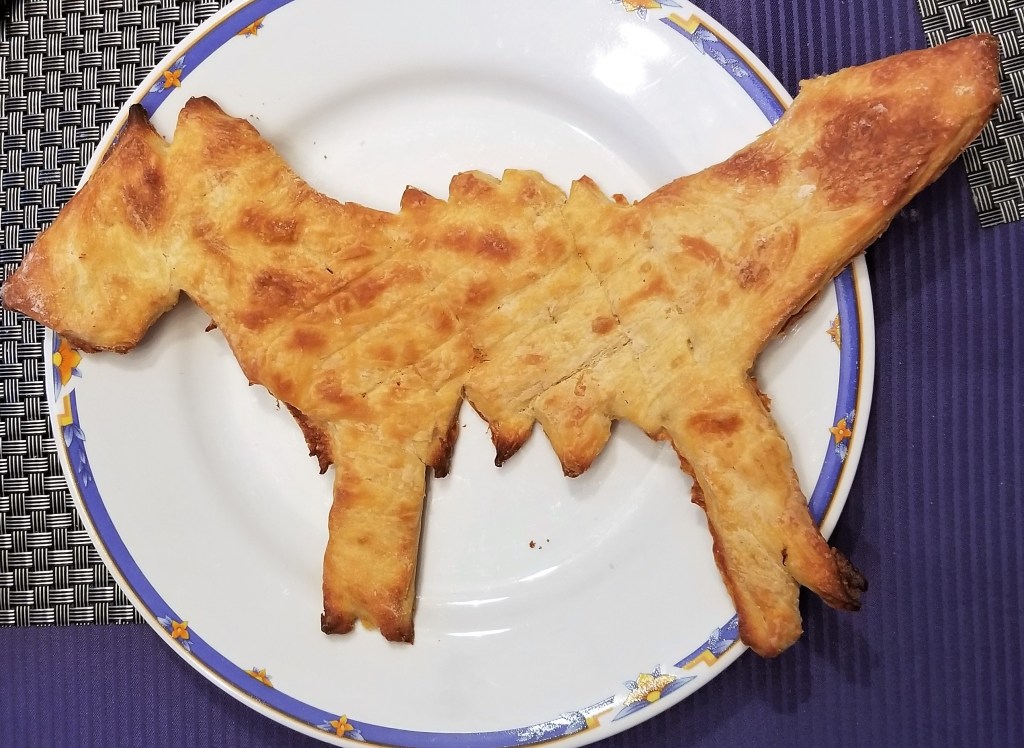
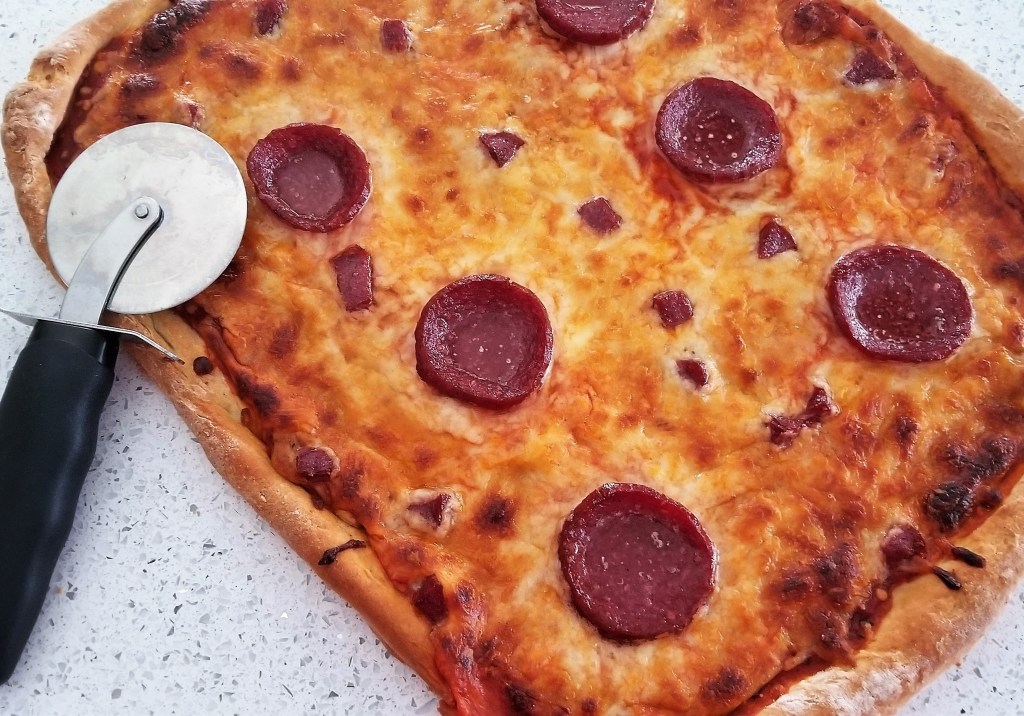
I’ll get straight to the point. Fococcia is the real reason January is bread month. This has been on my list of Must-Makes since I watched the “Fat” episode of Samin Nosrat’s show Salt Fat Acid Heat. I was reminded of this resolution early last year when I saw Brad and Samin make it on Bon Appetit. We were inspired to make grandma pie pizza as a result of that episode because fococcia is very similar to, and makes a great, pizza crust. Both shows are inspiring and encourage us to use our kitchens for wild adventures.
Keeping in mind all the hype, I was not disappointed with this traditional Italian fococcia. To say I was ecstatic, would be an understatement. Remember, I do not ever crave or want bread. However, I not only had to leave my house because I could not stop eating the fococcia, when we got home, we finished off the rest of the sheet! I am predicting a long workout at the gym tomorrow. (Worth. No regrets.)
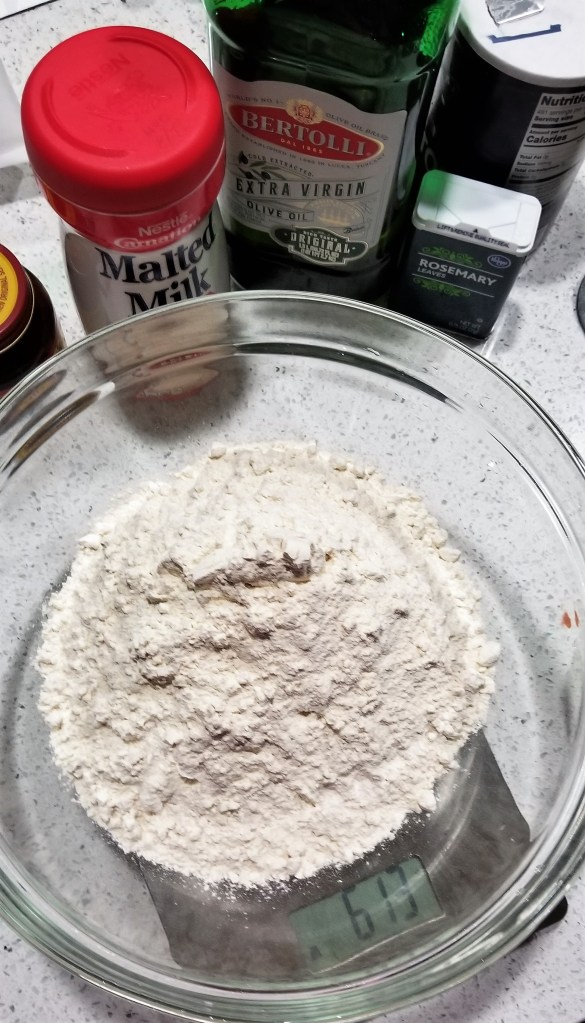
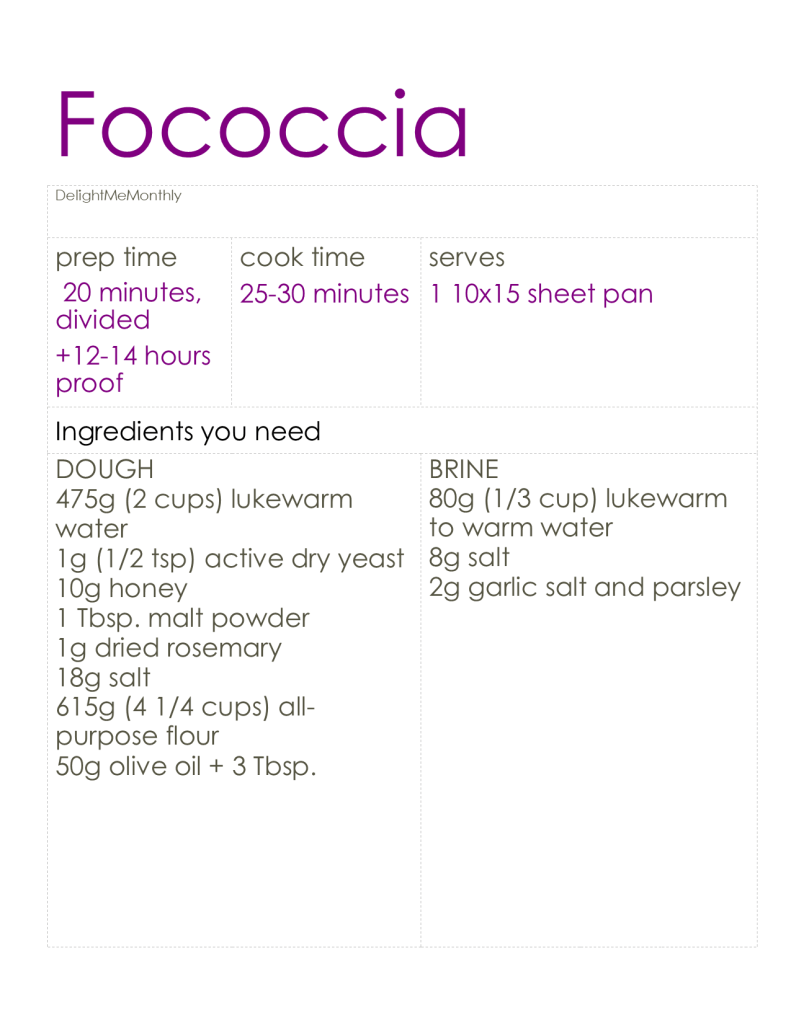
Rather than looking up Samin’s recipe, I watched the show and wrote down the steps they took, then performed them for my own taste buds. Here are the ingredients Samin recommends for Ligurian Fococcia:

  • For the dough:
    • 600g (2 1/2 cups) lukewarm water
    • 2g (1/2 tsp) active dry yeast
    • 15g (1 1/2 tsp) honey
    • 18g (Diamond Crystal) salt +more for the crust
    • 800g (5 1/3 cups) regular all-purpose flour (not fancy flour)
    • 50g (3 Tbsp.) finest olive oil
  • For the brine:
    • 80g (1/3 cup) lukewarm water
    • 5g (couple of dashes) salt

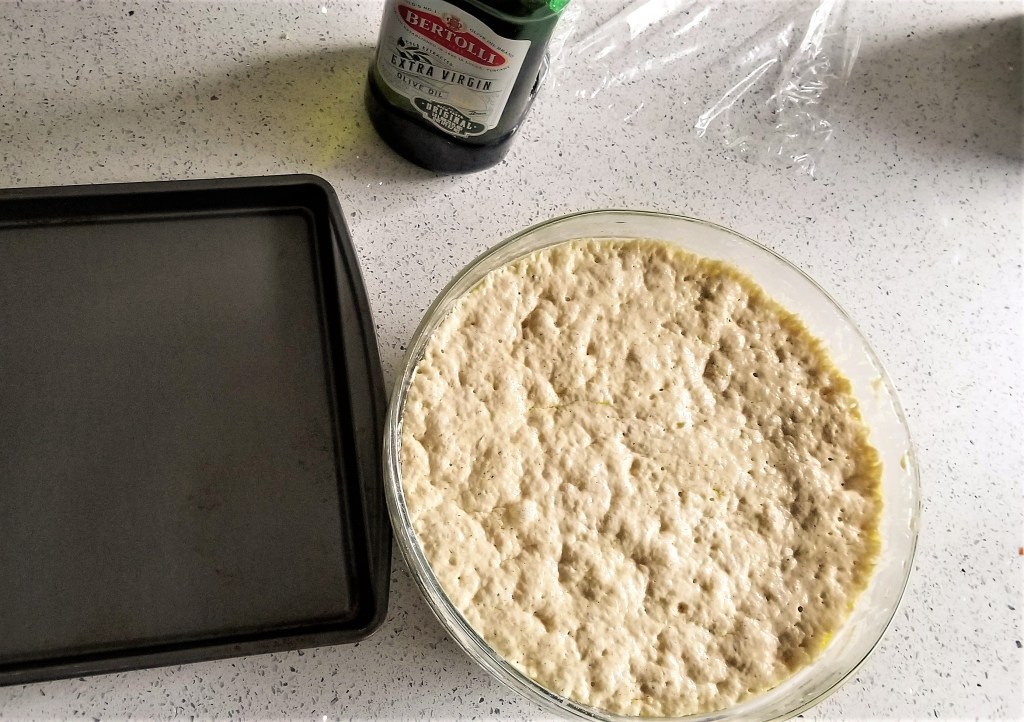
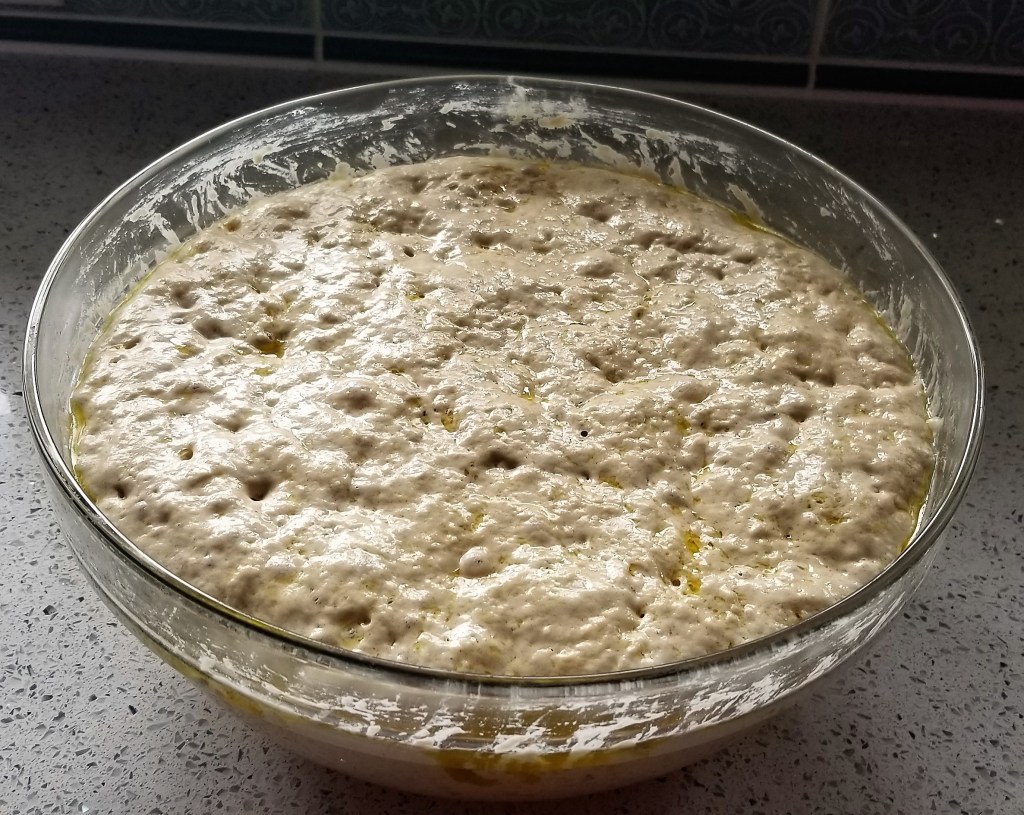
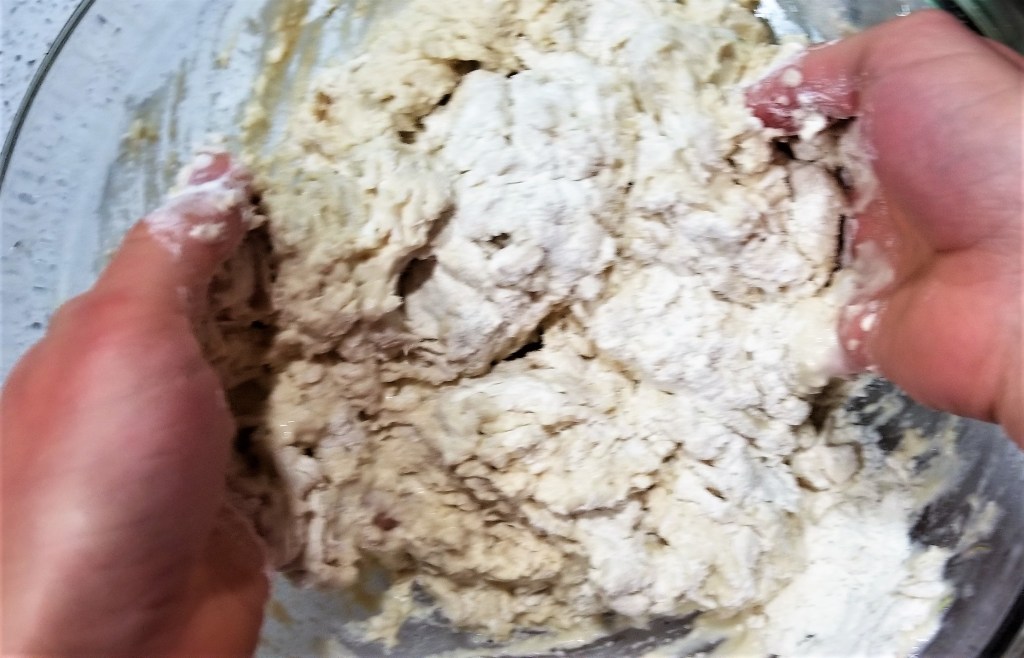
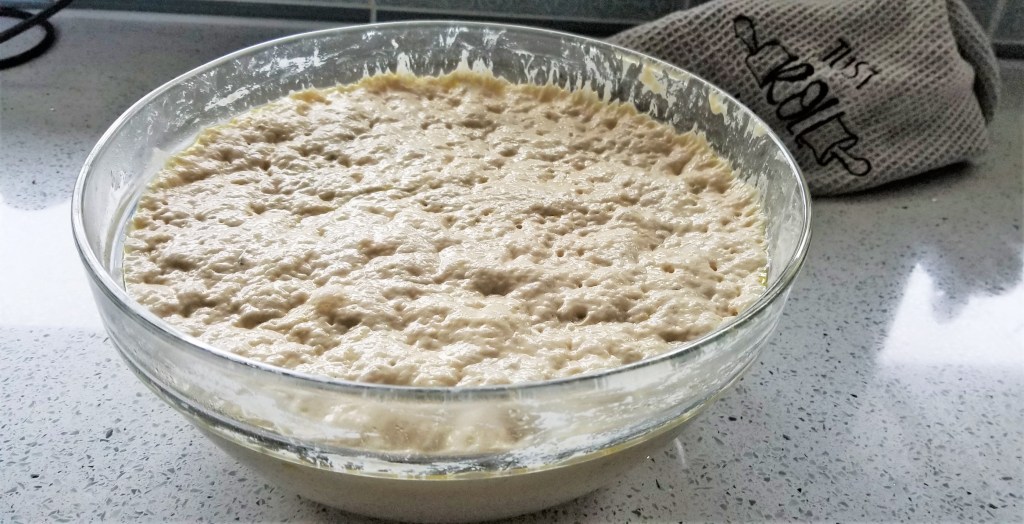
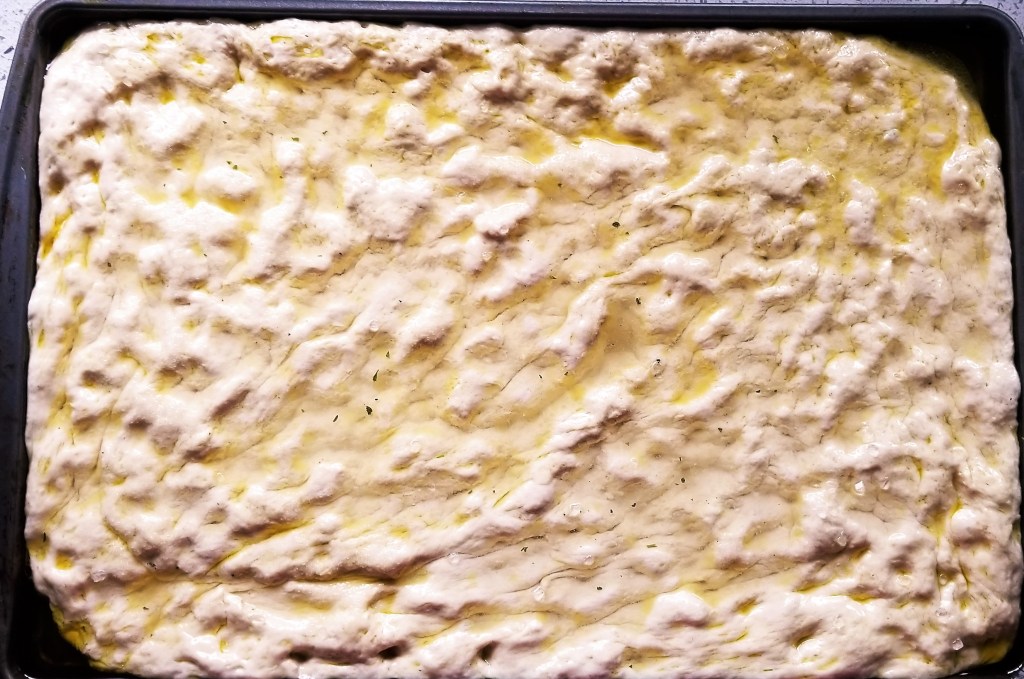
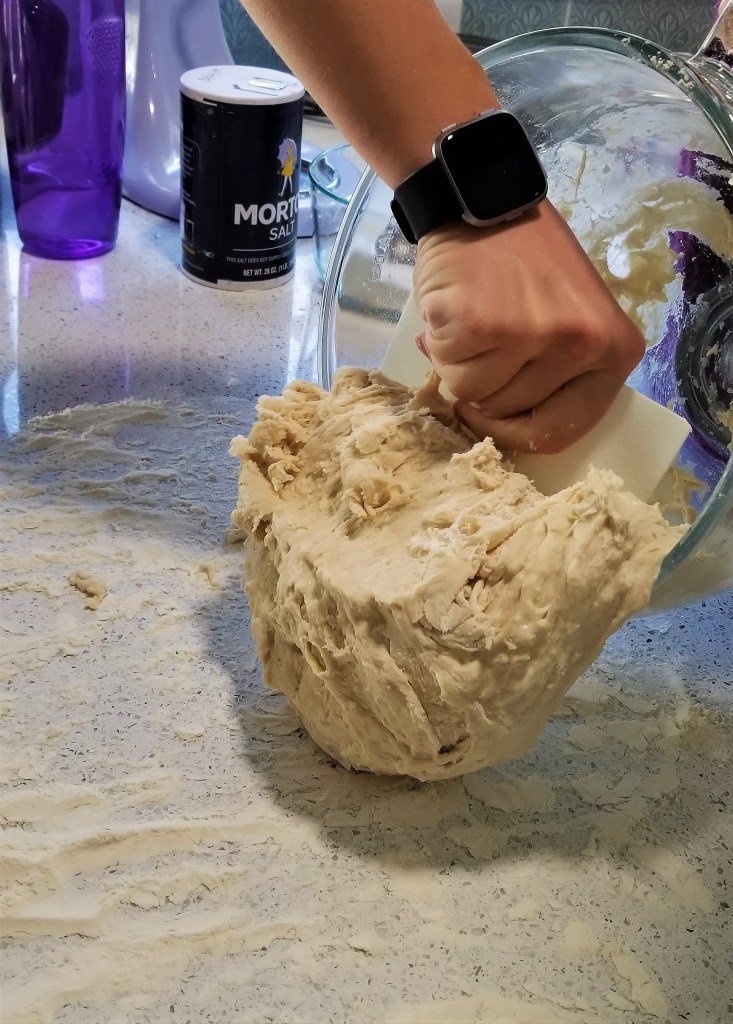
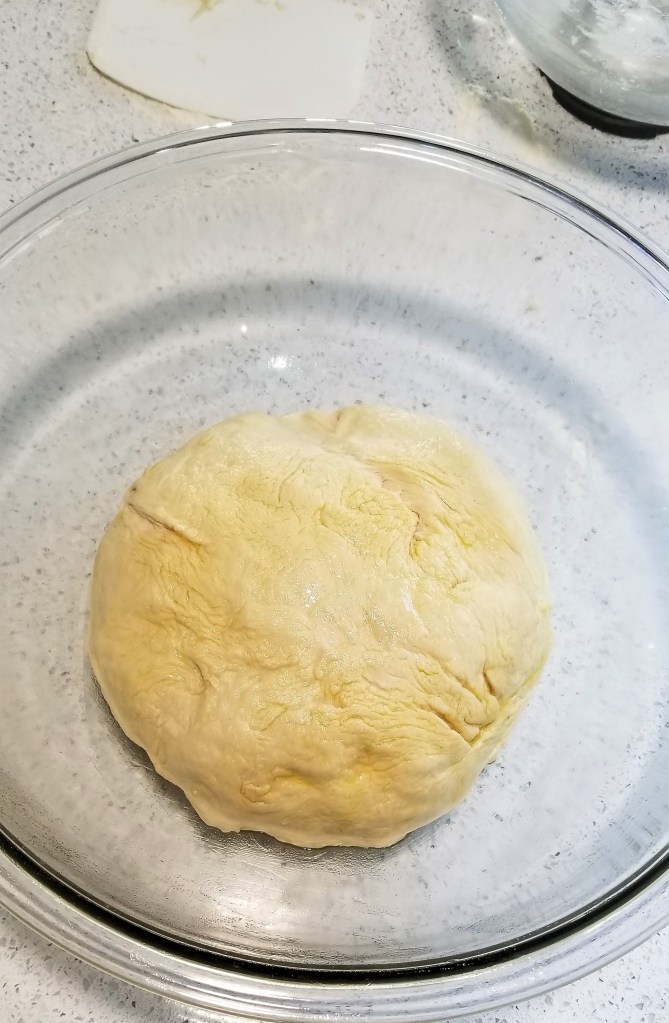
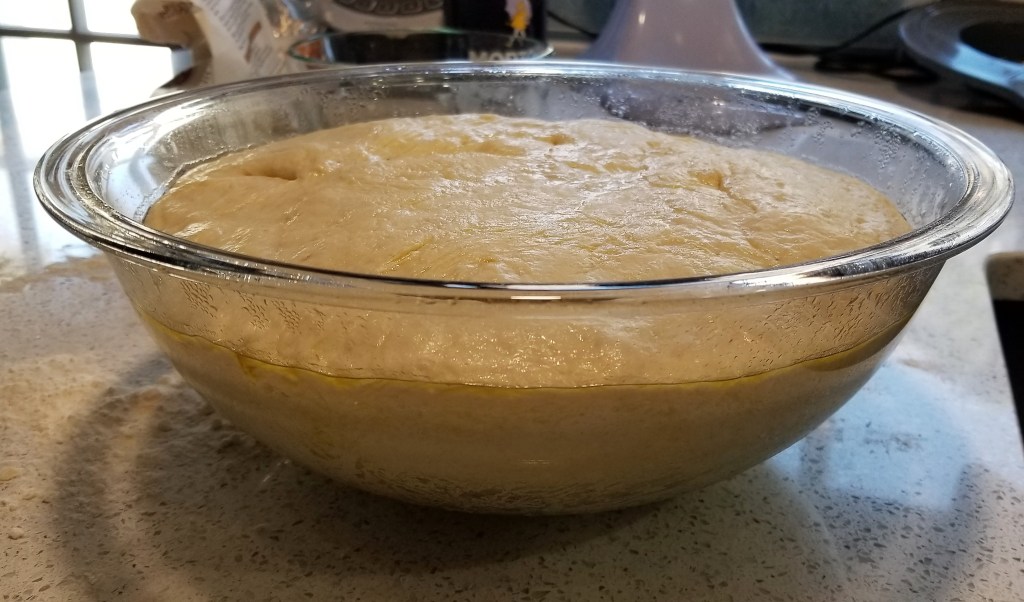
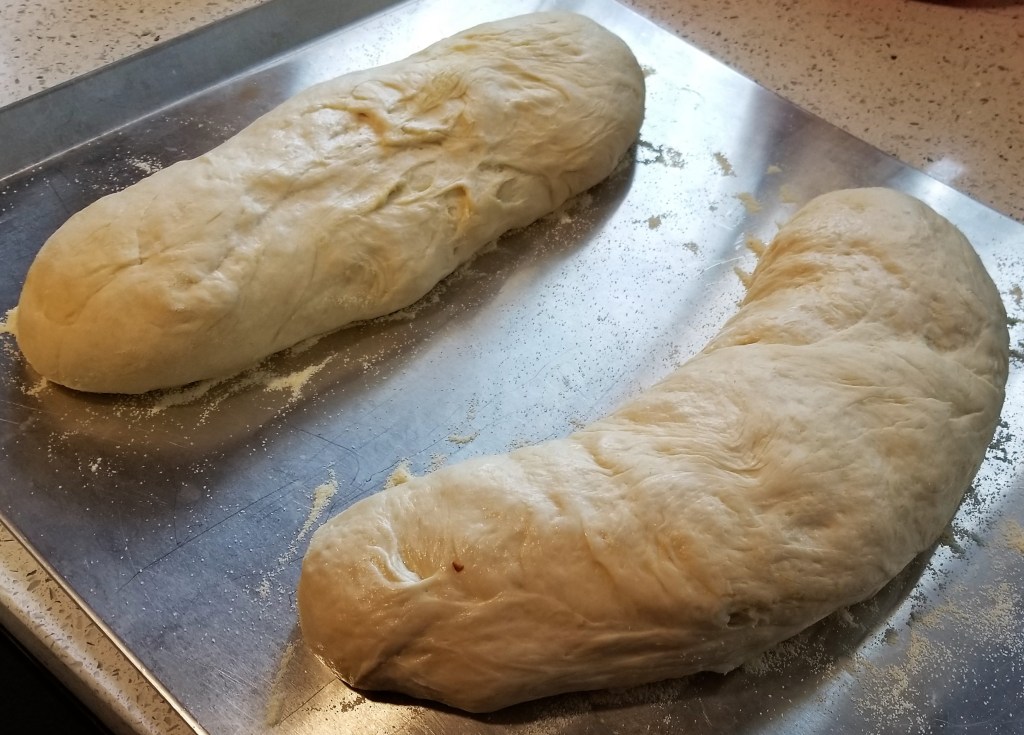
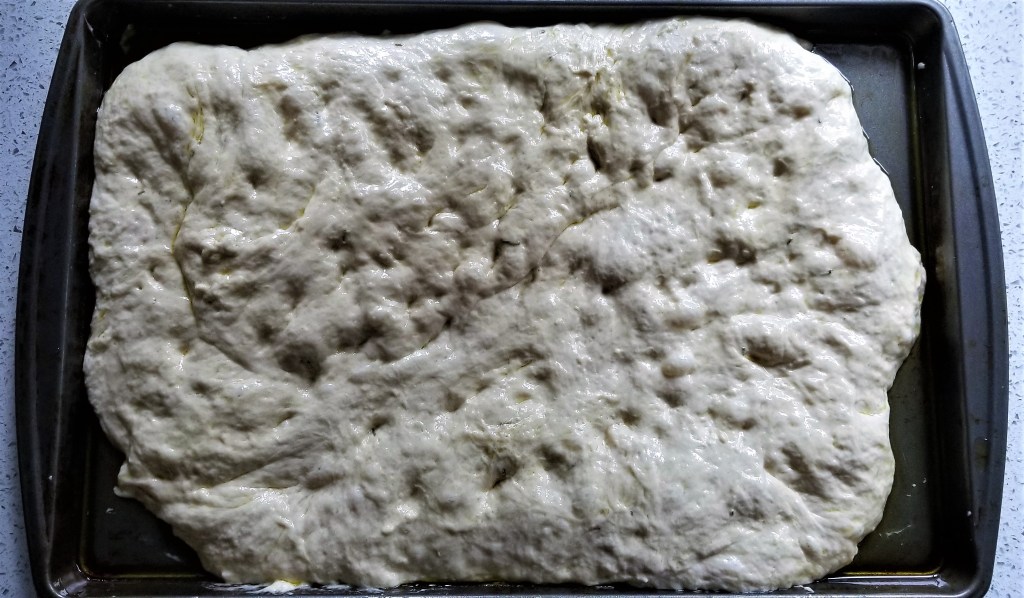
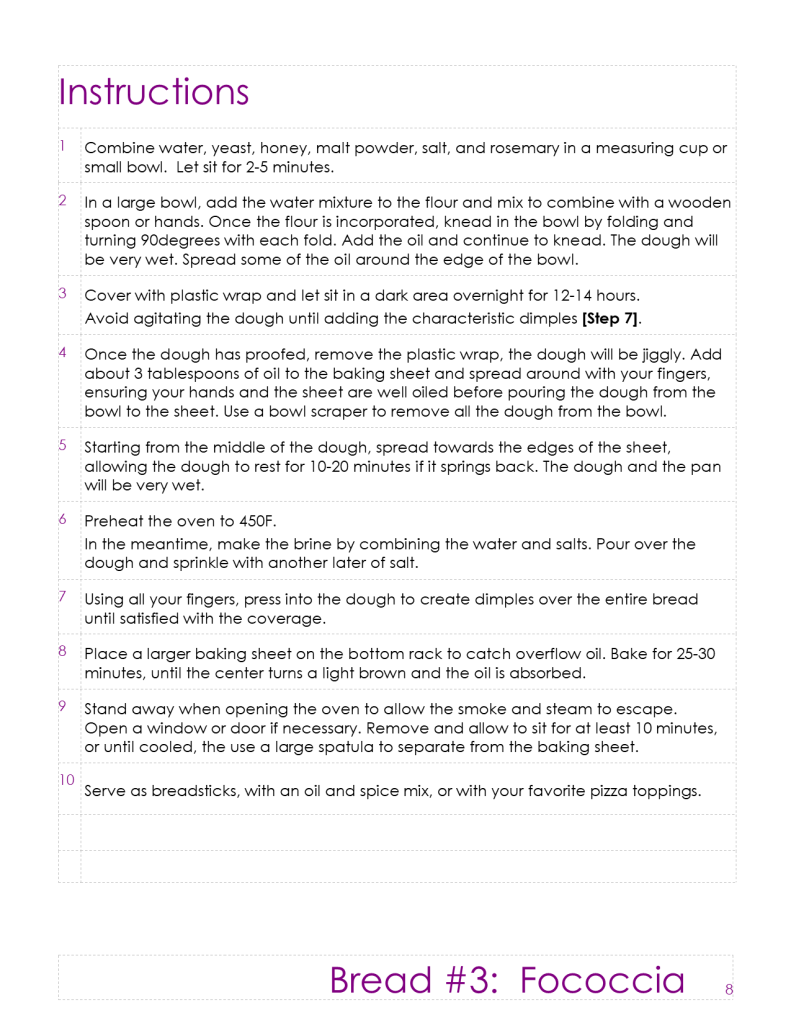
Samin’s instructions boil down to combining all the ingredients (with your hands) for the dough, letting it sit 12-14 hours, shape into the baking sheet (with your hands), add the brine, and bake at 450F for 20 minutes. If you take her approach, weigh every ingredient, then you come out only needing to wash 1 large bowl, the baking pan, and maybe a pyrex meassuring cup used for the yeast mixture. Light dishes!
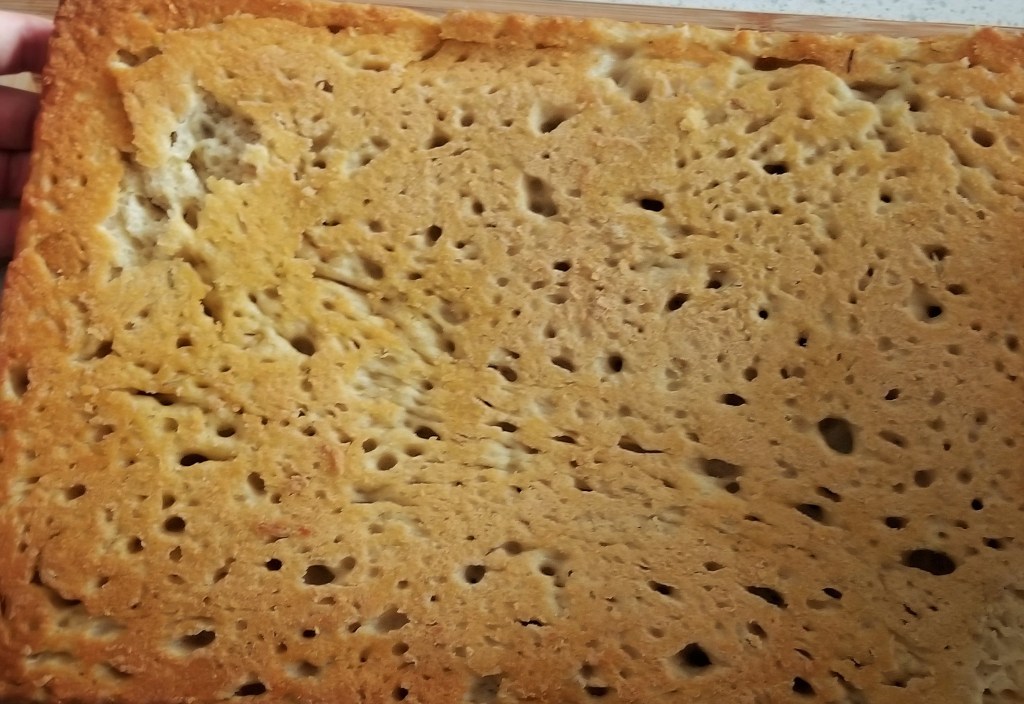
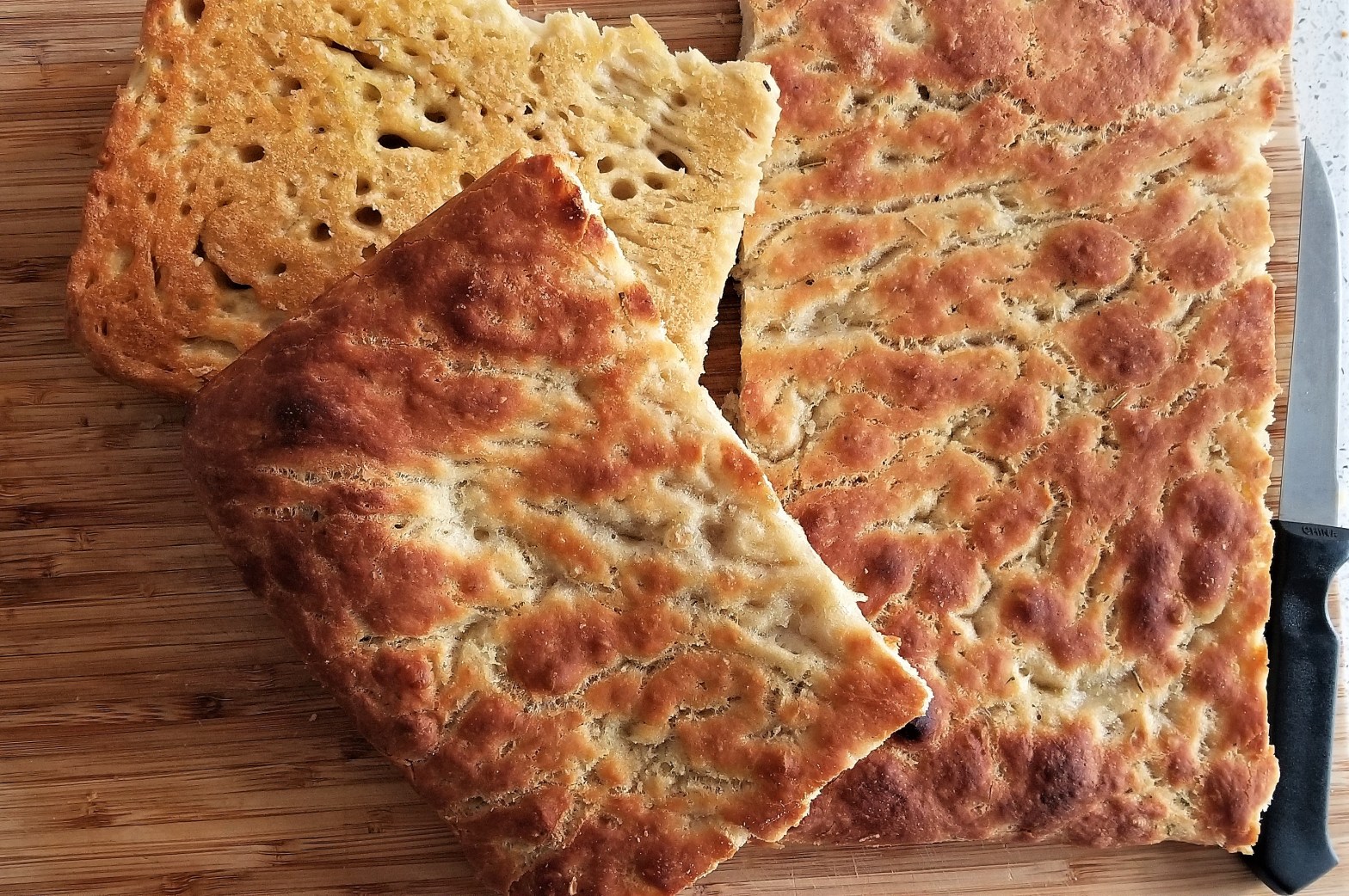
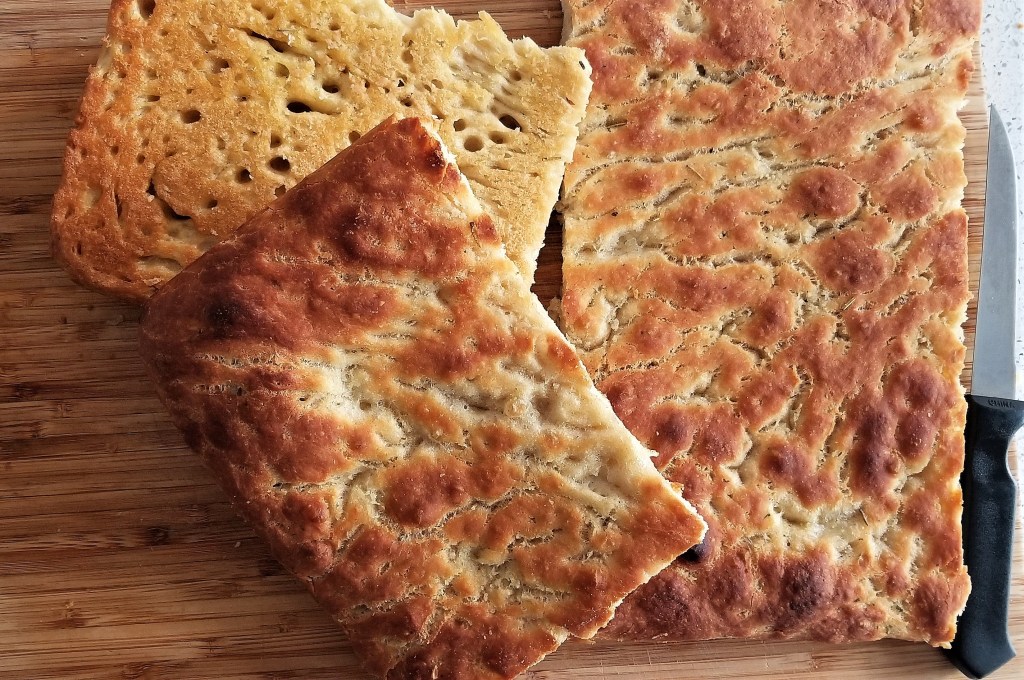
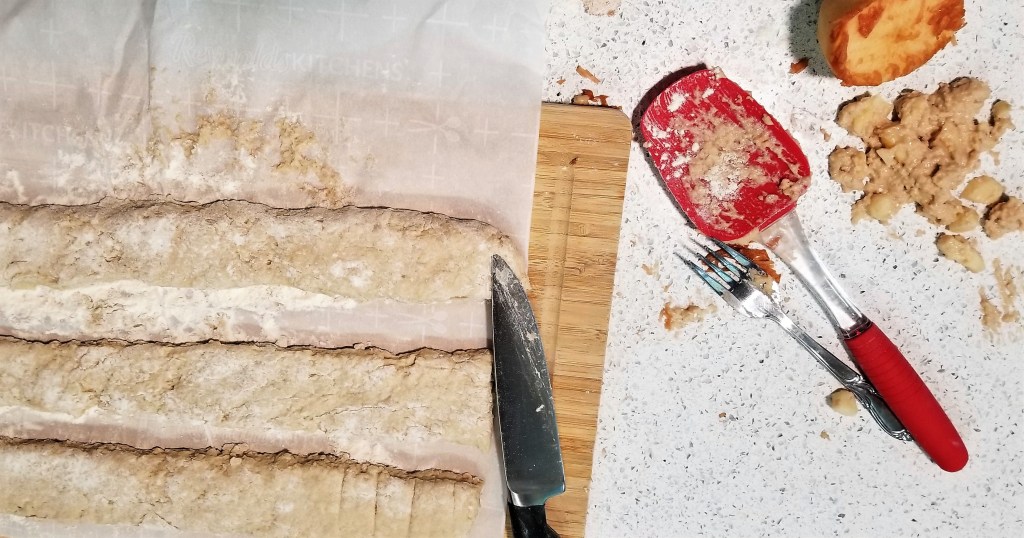
Bottom of DMM’s Crust

Sadly, the fococcia disappeared within hours of joining us. In order to remedy this tragedy, I already made my own version of this classic bread! Everyone has access to this Samin/Ligurian Fococcia recipe. I found a couple of small tweaks I wanted to made and am including my new recipe below. I am now obligated to recreate the Samin recipe to compare the two side by side. No problem!

This bread is ideal to start on a Friday or Saturday night, or the night before you have the morning off. You will need 40-50 minutes to prepare and cook the fococcia after it has proofed.
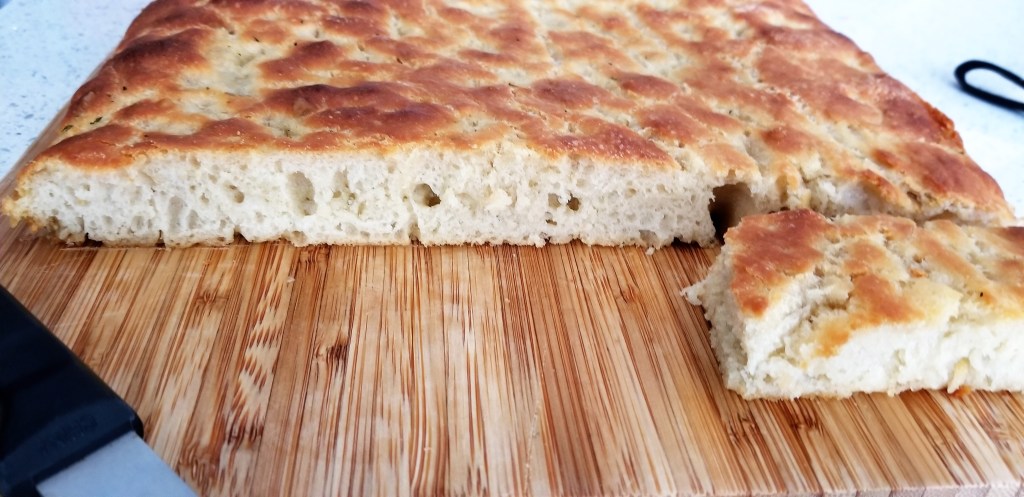
Slice in half, double the results.

Take-Home Tips: Bake the bread on a high-rimmed jelly roll pan or baking sheet. I would recommend a 10x15in pan and reducing the ingredients if your pan is smaller. If you think there may be too much oil, you are wrong because there is no such thing, but it could overflow in the oven, so definitely put a larger pan on the bottom rack. If the oil spills over, there could be sparks where the oil hits the heating element and when you remove the bread from the oven, the smoke will escape, resulting in the fire alarm screaming. We try to avoid setting off the fire alarm.

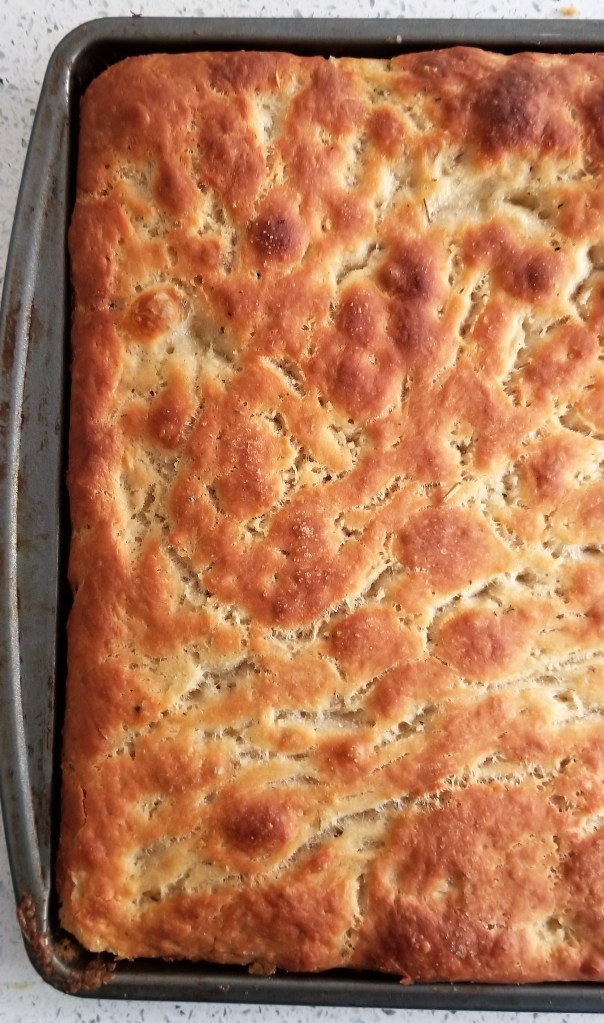
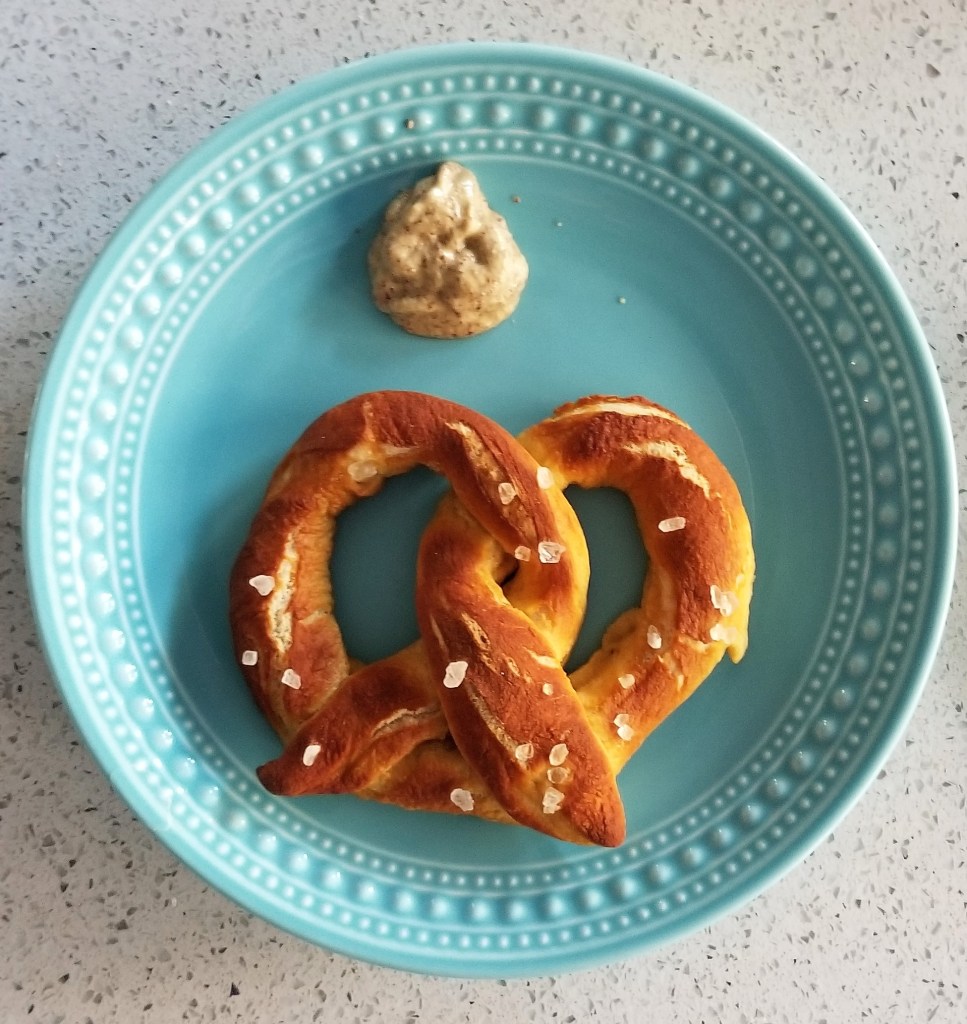
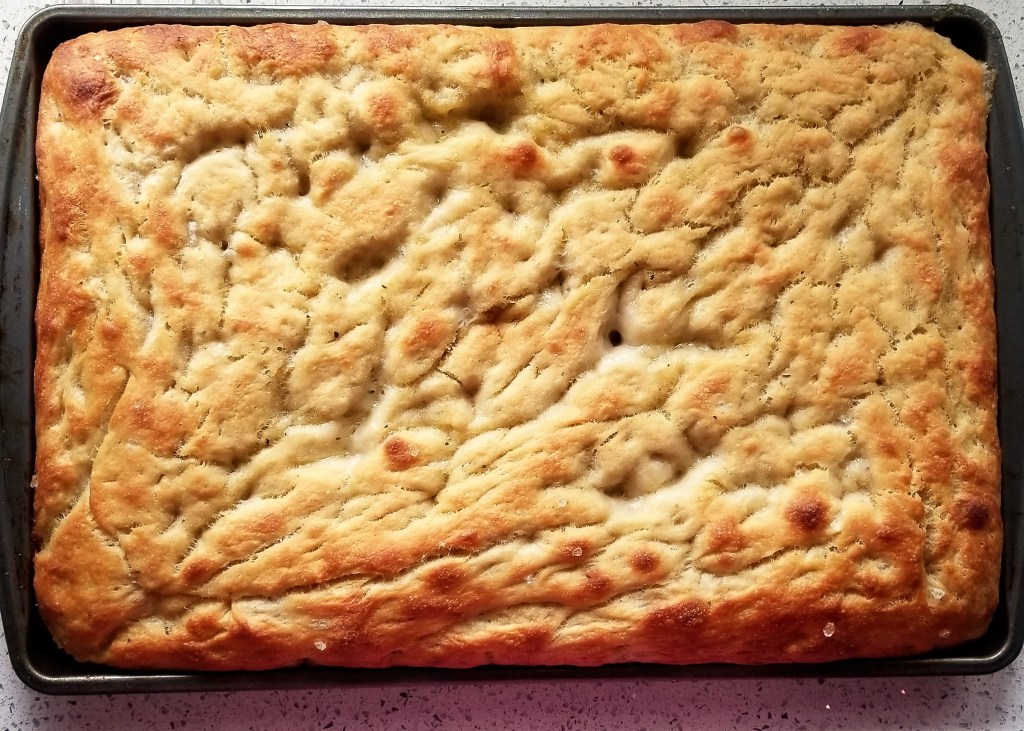
To check that the bread is done, look to see that there is browning in the middle of the fococcia. Even if the edges are brown, and the middle is not, then the bread is not done. The plenty-of-oil situation leads to the underside of the middle taking its time to crisp-up. Do not skimp on the oil to speed up cooking time! The bread will not reach the desired texture or consistency without the oil. Obviously, substitute the spices in the dough with your favorites. Considering how salty the fococcia becomes, it reminded my husband of the pretzels we made a few weeks ago. He ate his with mustard and insists I recommend it to anyone interested. Suit yourself.
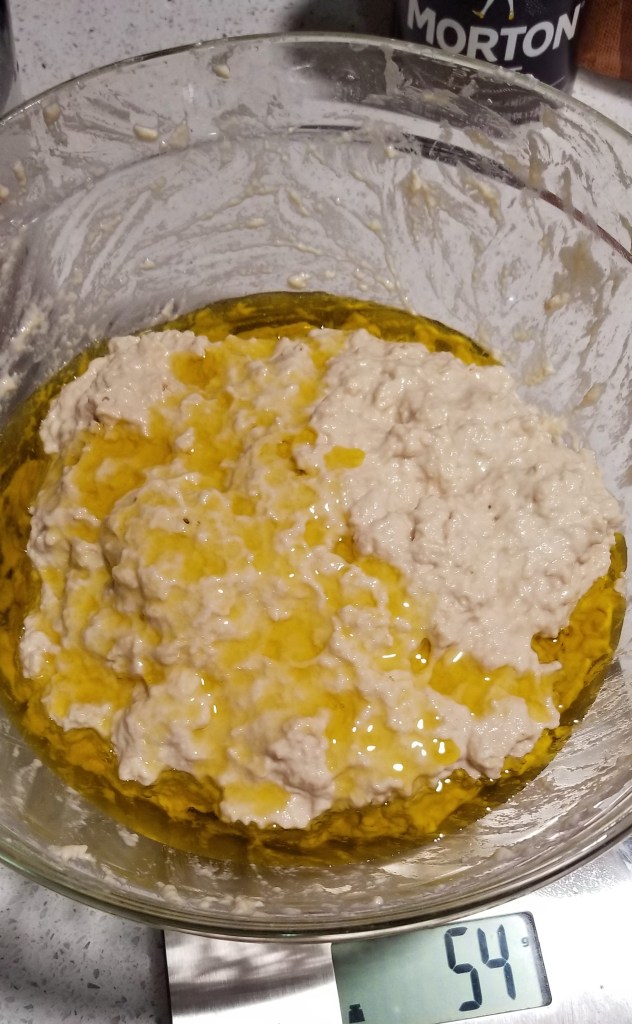
About 50g of oil.

Scoring: 10 of 10! Both recipes thoroughly impressed me, as well as my family and colleagues. It can be consumed warm, cold, verily cooked, overcooked, as pizza, as bread sticks, as a snack, with a meal, on the road, in a boat, with a goat. Even if it is your first time making bread, this is an easy, almost fool-proof bread to try.

I was informed that my version is an improvement to Samin’s because of the coloring (due to the malt), crispier crust, and additional spices in the dough. My dough was a little drier as it proofed but equally wet when it went in the oven. I believe it is important to make sure the brine is overly salty and flavorful when it goes in the oven in order to obtain that crisp crust.
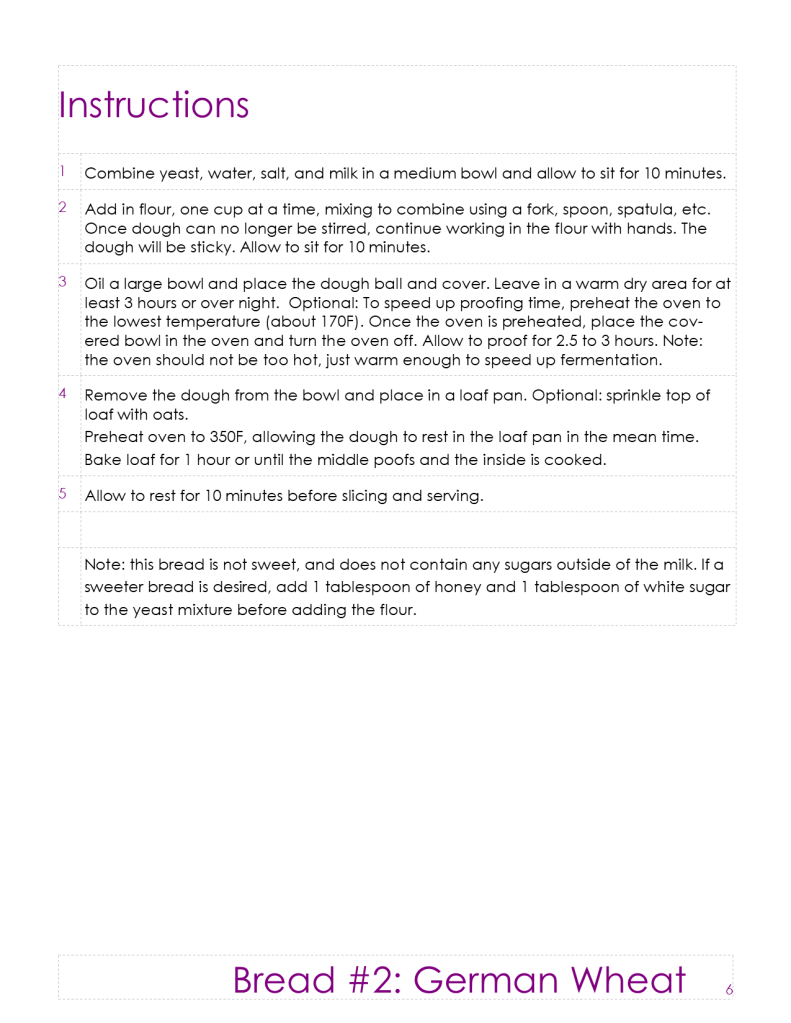
Bread #2: German Wheat

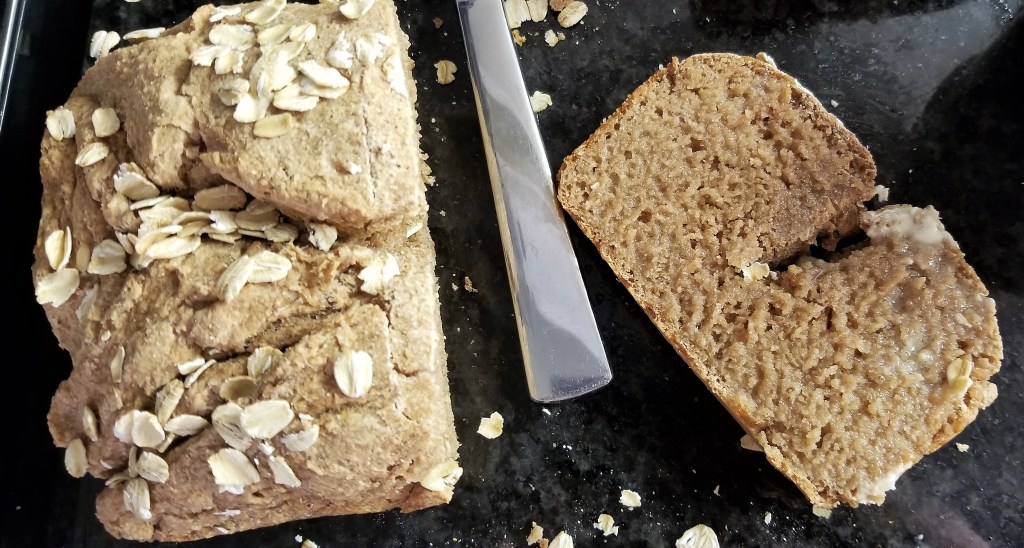
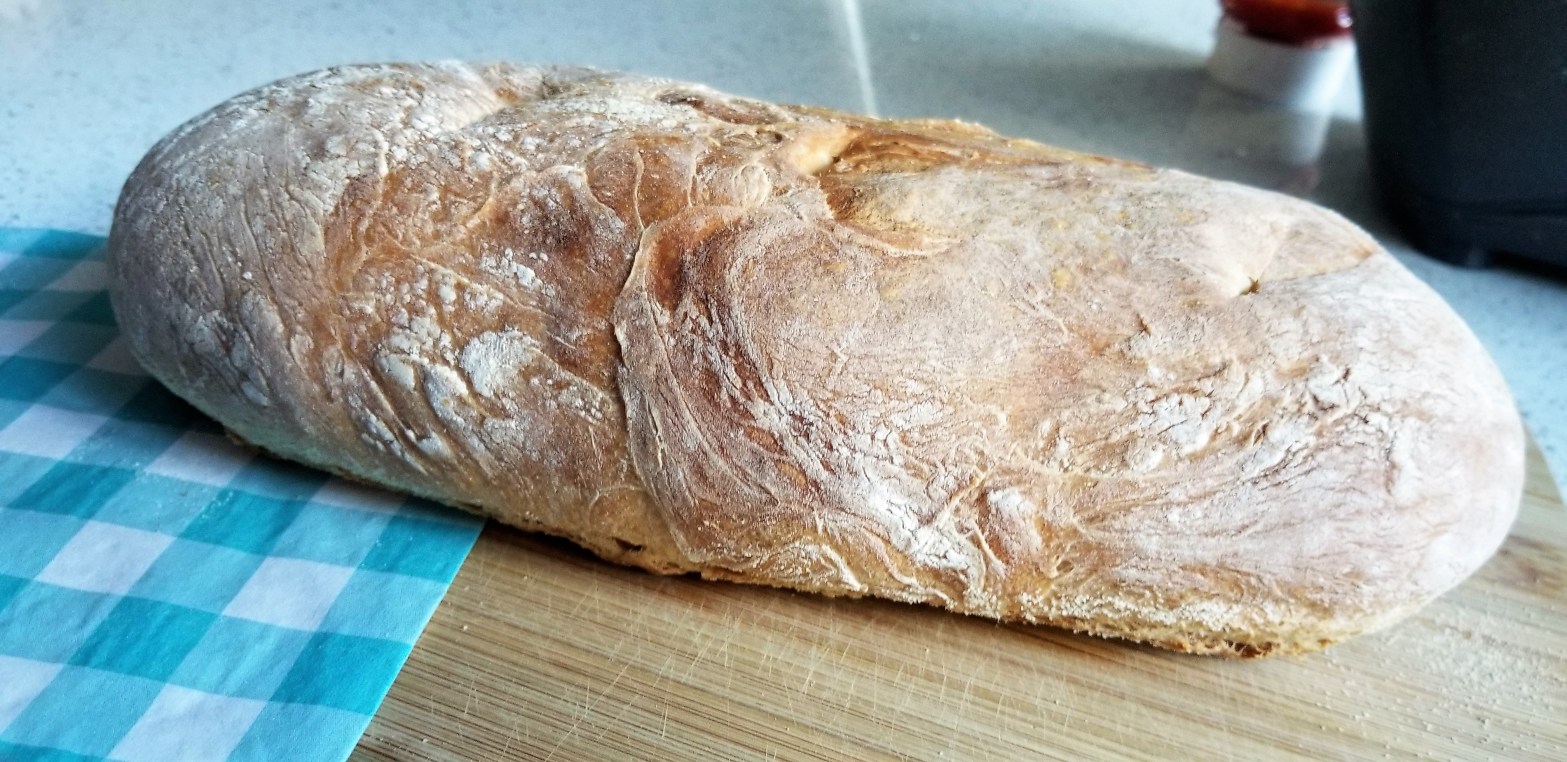
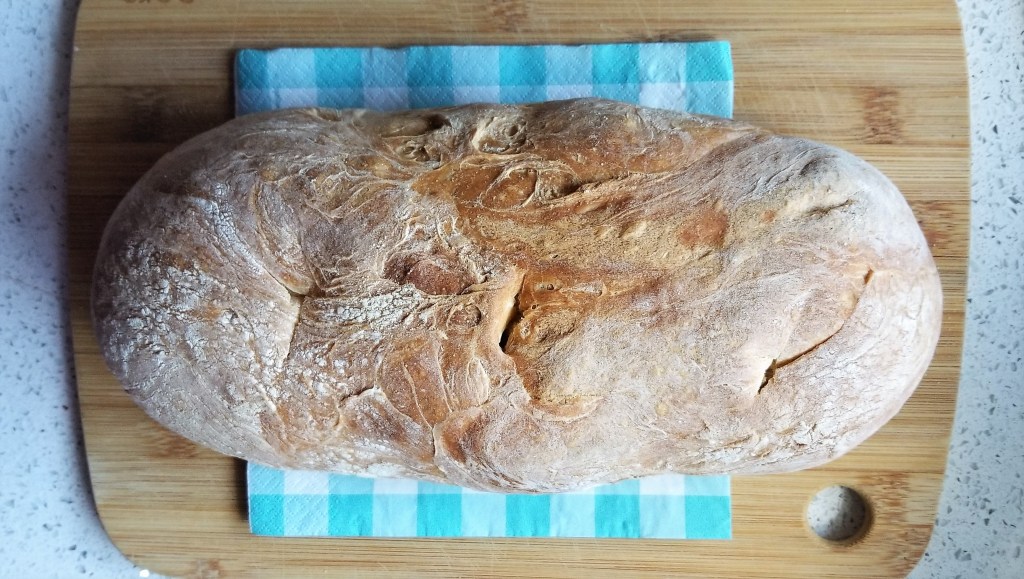
Buttered Bread

Recently, I was fortunate enough to have a morning off to visit a friend. Knowing I am obsessed with all things German, she shared a bread recipe her German cousin wrote out for her during a visit to the U.S. After some deciphering and translating, we were able to modify and adapt the recipe to our purposes.

The recipe came into her hands because of a failed attempt to find bread in America that the German cousin was willing to eat. Picky! Apparently all of our bread is way too sweet. Having a high tolerance for sweets, I could not agree less with this accusation. Our breads are absolutely not sweet.

Well, this is what I thought initially.

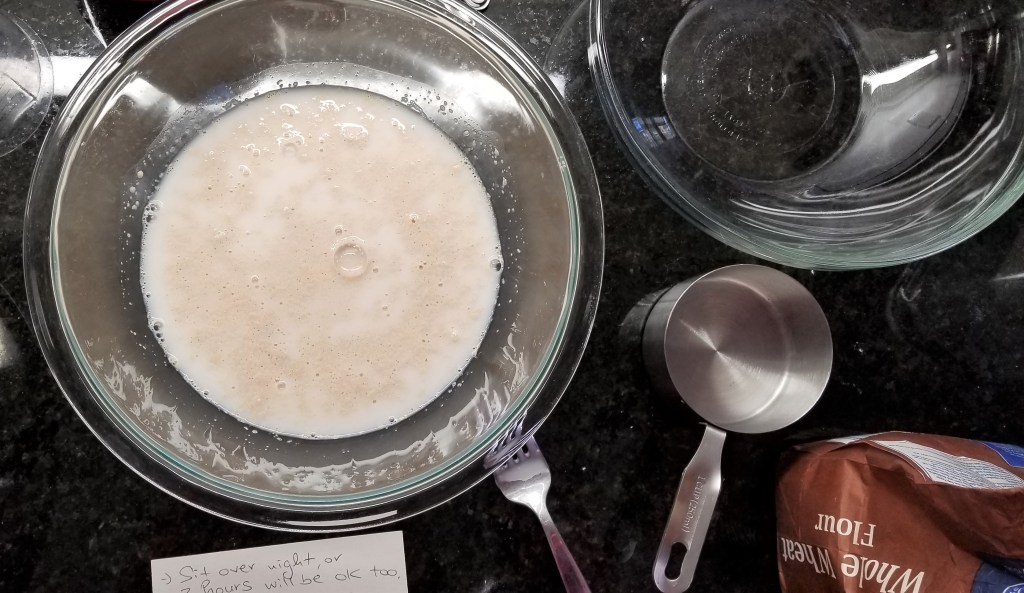
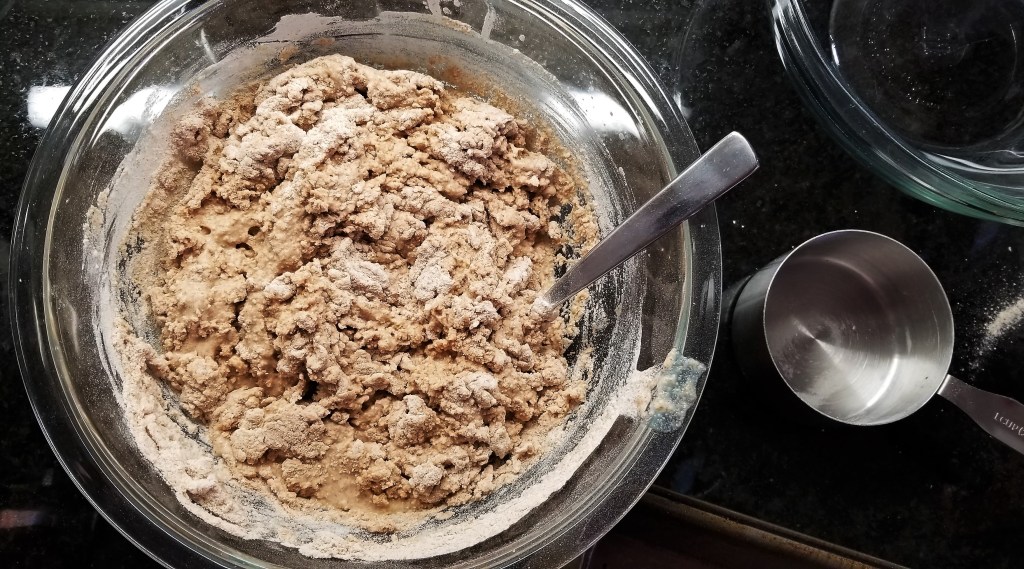
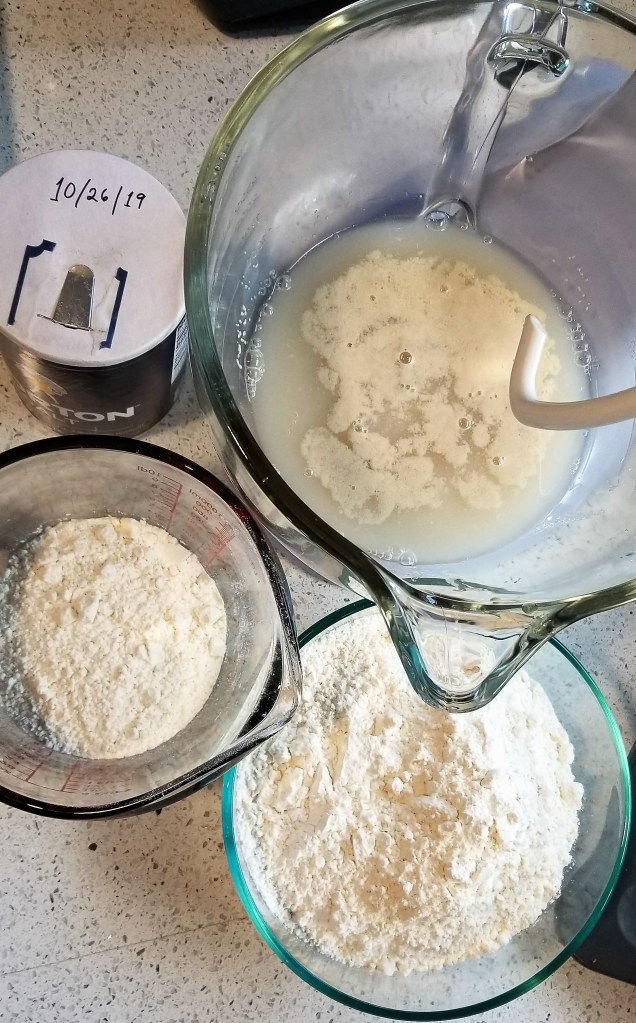
About an hour into proofing.

Having lived in Germany, I have tried many of their breads. Freshly baked, homemade, store bought, American style sliced bread, and bakery breads. Maybe I was used to the reduced sugar in all my foods, or maybe I covered my breads in distracting toppings, but I cannot remember tasting bread in Germany with as little sweetness as this Bread #2.

You really have to try it for yourself and enjoy the new experience if you have always eaten sugary white breads.

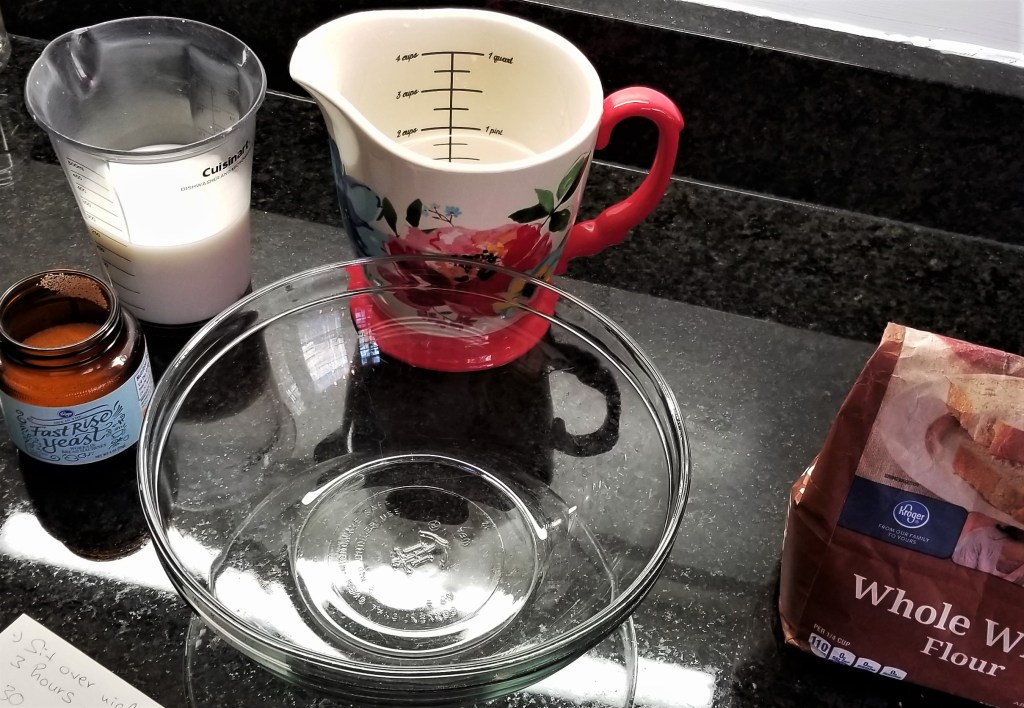
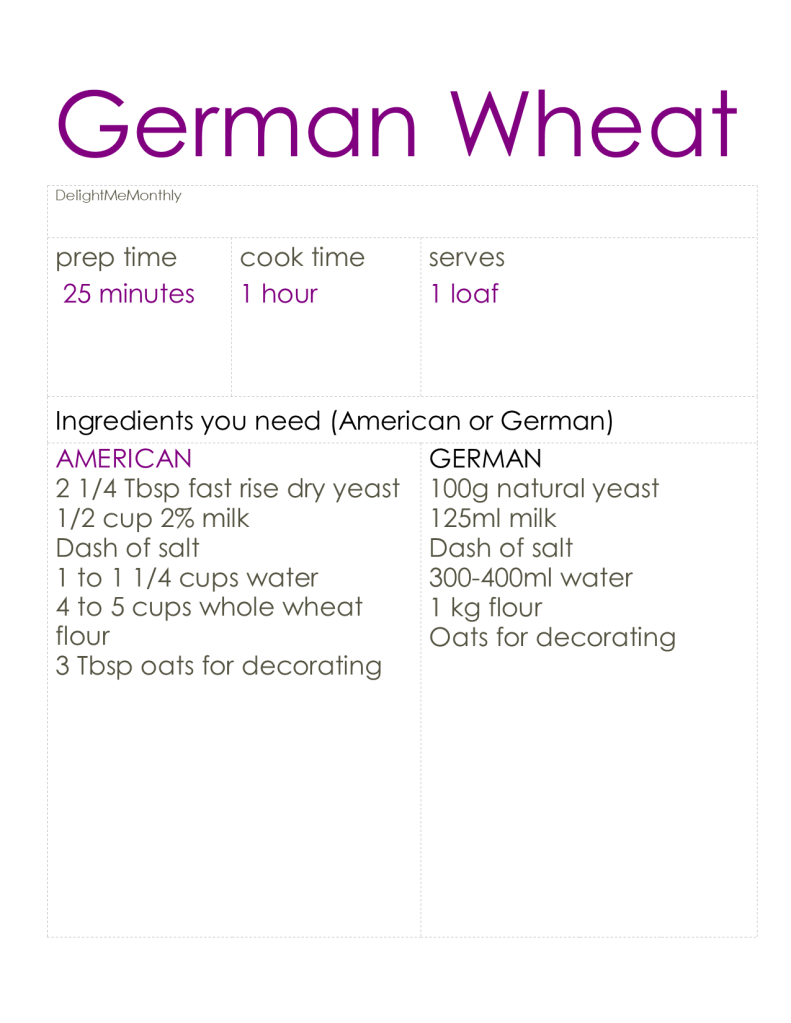
The original recipe doubled the one included here, but I have written out the ingredients for one loaf of the German or American portions. Prior to starting we did investigate the differences and comparisons between natural/fresh/wet yeast common in Europe to the dry yeast we are accustomed to state side. We took into account these differences.

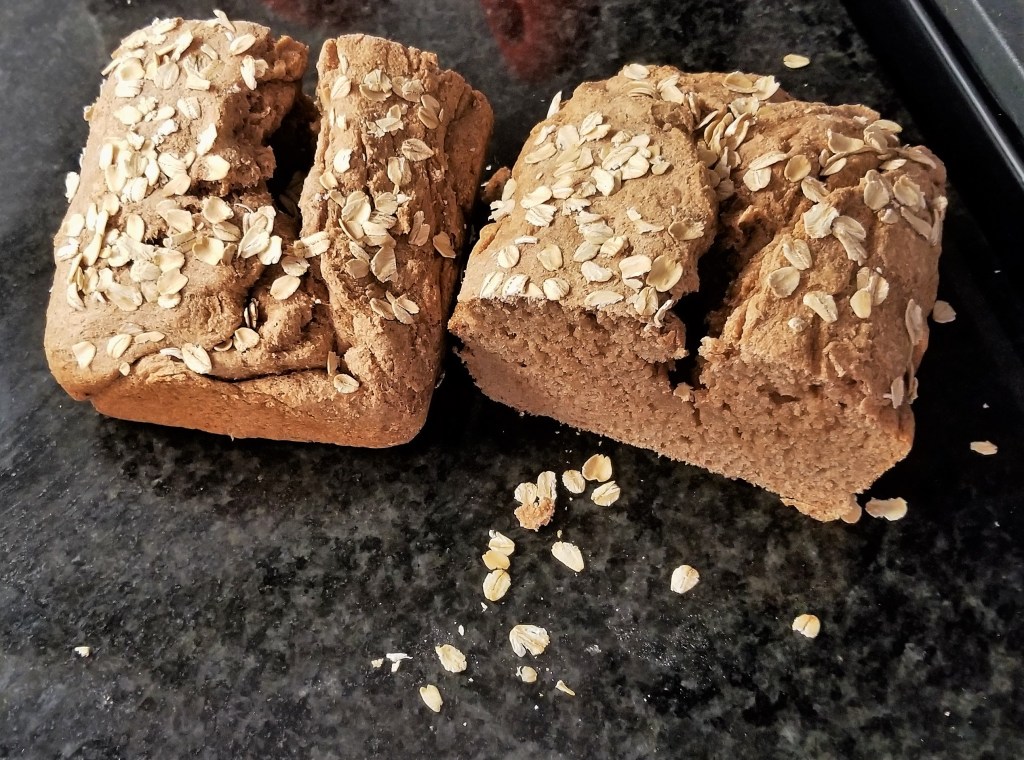
Eating from the middle out while we wait for it too cool.

Take-Home Tips: If you choose to use active dry rather than the fast rise, sprinkle a little more in the bowl. With this type of yeasty bread, you really are encouraged to add more yeast, rather than skimping. The original recipe called for 200g of natural yeast (about 4.5 tablespoons of active dry). Since the water is not warm and there is milk instead of sugar, we want to see lots of yeast to help this bread rise. Also, if you do not bake the full 60 minutes, it will collapse in the middle and there will be raw dough.

Scoring: 7 of 10. This is a very good bread recipe. We really enjoyed it and would recommend. However, the lower score is due to the acquired taste required for a foreign bread. If you love bread but want to cut back on sugars, this is an ideal alternative. It would be best eaten like a rye with cream cheese and smoked ham (Mary Berry style).

Bread #1: Basic White (Quick French)

Two days later, I am surprised this bread is still on the counter. We finished the first loaf within hours of its debut (out of the oven). The second loaf, we broke into, but managed to save 3/4 for the next day, partially to see how long it will last in the open air.

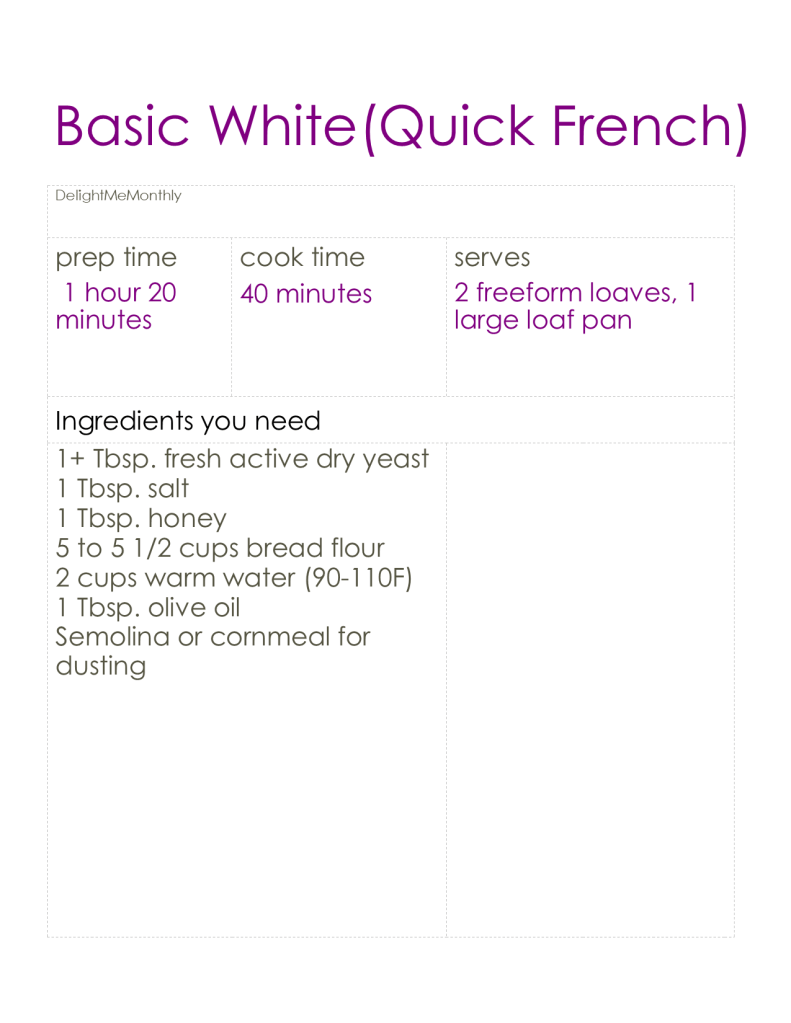
A simple white bread is a great place to start if you are new to baking bread. With only six ingredients (if you count water, oil, and salt) it is hard to ruin a basic white. It would be fairly easy to spruce up this recipe with herbs or a compound butter. I would recommend rosemary and thyme or cinnamon and brown sugar for a sweeter touch.

Take-Home Tips: Do not let the lengthy instructions scare you. For bread stick to the outline and overall process:

  1. Ferment yeast: usually involves warm but not hot water, and sugar to feed the yeast.
  2. Add flour: incorporate the flour slowly until the dough forms and becomes less sticky.
  3. Knead: move and work the dough to build up the gluten and get a solid structure.
  4. (Bulk) Proof: do nothing. Let the dough sit and get to know itself better. I like to picture it in the Jacuzzi with a drink. Let the dough finish its drink before you rip it out of the relaxing water. Sometimes this step is repeated, because – second drink.
  5. Bake: firm up so we can use the bread for something useful. Like sandwiches.

This go around I went for [Step 6] but did not score the bread. I was curious if it really mattered. I think in this case it was fine without scoring, but it is prettier if you do anyway. The neat thing about bread is the footprint does not change much; the bread prefers to rise upward rather than outward. Therefore if you mold it in a particular shape, it will retain much of your design.

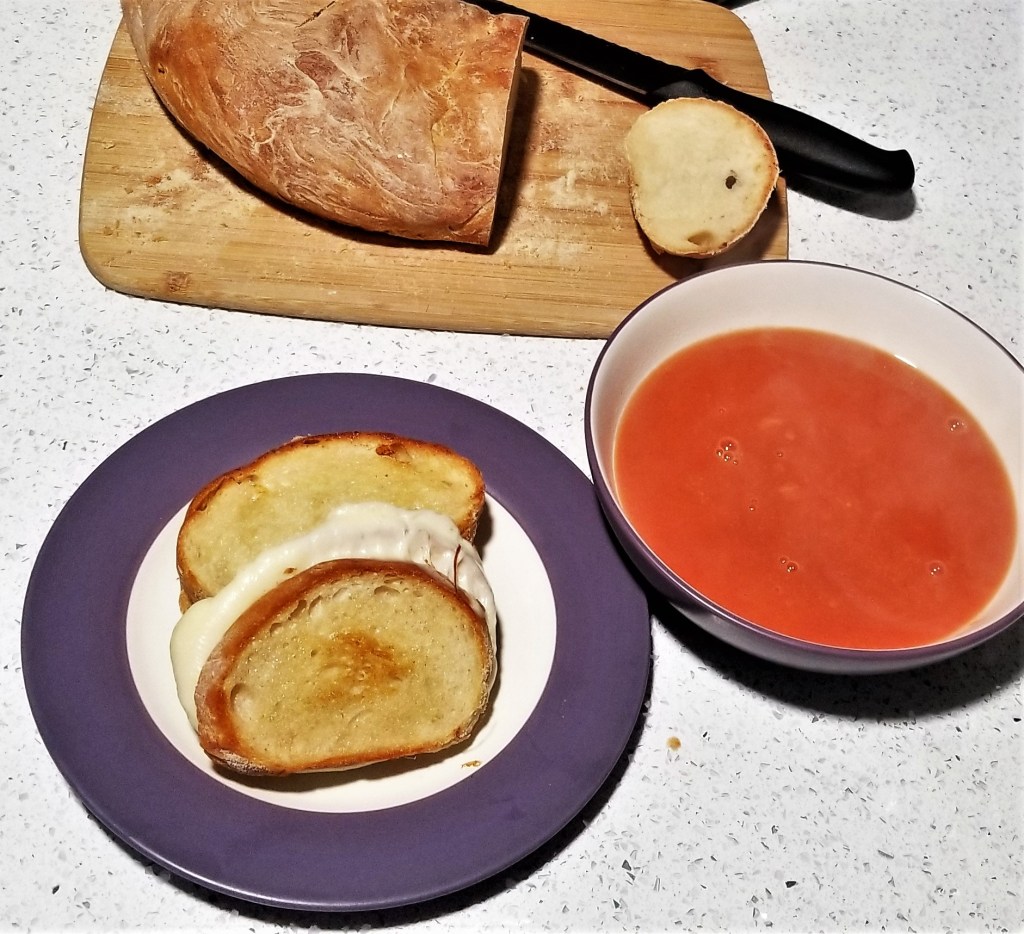
Scoring: not to be confused with scoring bread. 9 of 10, per my husband. A nice flavor with a decent crust. It keeps and reheats well. However we tried using this bread for grilled cheese and tomato soup, and the crust makes it a bit painful. Better to soak it in the soup as croutons. Would make again!

January is for Kneading

It took longer to pinpoint my theme for January. I have long been waiting to do breads for the start of the new year, but that is such a broad category.

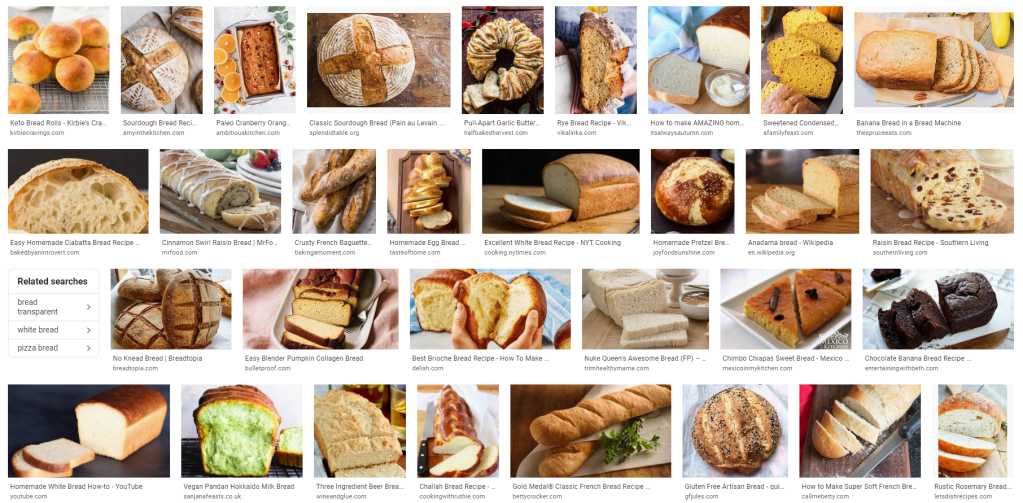
“Bread” by Google

As “bread” has been a staple for the human diet since the beginning of time, it is one of the first, if not the first, man-made food. Every culture consumes large quantities of bread is some shape or form. With some controversy over leavening during certain holidays, this dish can be made simply with grain and water. Which makes sense, bread is easy to make, consume, portable, and arguably stores well. It does not take much to make some kind of heated grain mixture. Once created it is useful as an eating utensil, such as a trencher*, soft enough that almost any age or teeth situation can consume, and it is usually sturdy enough to transport, and retains its taste without spoiling quickly due to climate.

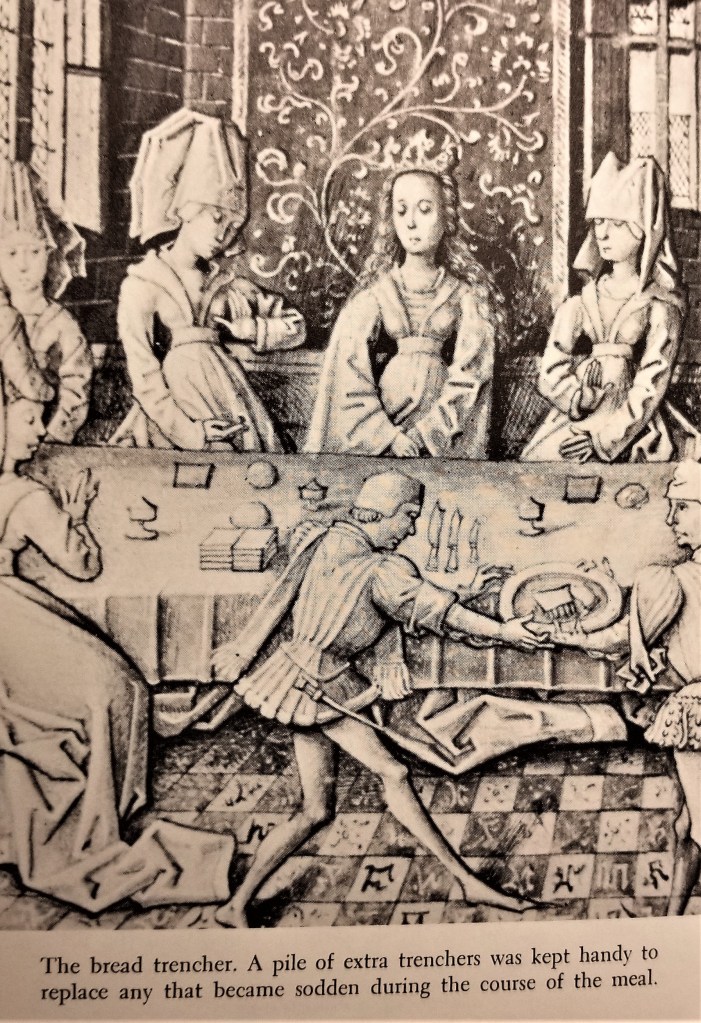
*Side note on trenchers: I have been researching Persian/Ottoman and European medieval eating habits. Several times I came across trenchers, which were described in a way that brings to mind a short baguette with the top carved out to create a canal. This canal would then be used to scoop up food rather than using the unpopular utensils. However, upon further investigating I must conclude the trencher shape is probably closer to a bread bowl than a scoop or canal. The name was later used to describe the Scottish university cap (mortarboard) possibly due to the resemblance in shape when flipped upside-down.

The bread trencher of the medieval ages. Curtsy of the Library of Congress (US).

In order to narrow down my choices for January, I am going to focus solely on breads that have kneading as a major step in the process. While some of these breads could possibly be done without or with minimal kneading, they were selected based on their traditional procedures.

Personally, I am not a big bread fan. I know! How could I say such a thing! If I am going to consume carbs, I prefer them to be sweet and crunchy. However, I can get on board with specialty breads or anything fresh out of the oven. The next day, someone else will have to eat it.

Load up the carbs and hit the gym as we kick of 2020 with a bang.

A Year in Review – 2019

And let us consider how we may spur one another on toward love and good deeds, not giving up meeting together, as some are in the habit of doing, but encouraging one another – and all the more as you see the Day approaching. Hebrews 10:24-25

This was an eventful year for baking, eating, traveling, sharing, fitness, “clicking photos”, and spending time with family and friends. I am immensely grateful for the opportunities I have taken advantage of and the people who have helped me make all the happy memories I will take into 2020. While I try to focus on one theme a month, I will take this opportunity to share a little of the rest of my year and what goes on (mostly what I eat) when I am not baking. I am also including some of my favorite bakes as repeats, because they left a lasting impression on my family. Prost, cheers, and the best wishes for you in 2020!

Going home to Austria was one of the highlights of my year. Not only did I get to spend time with friends and family, but the food was a blessing of its own. We learned how to make Slovakian haluski, ate the best homemade sunflower seed (dressing) salad, and finally devoured (my favorite German dish) Maultaushen. My adventures also took me on a 1,700 mile car ride through the South US, a couple of trips up the Washington Monument, to my first and second Great Lakes (Michigan and Erie), a pleasant surprise with Milwaukee impressing us more than Chicago did, and warm beaches in south Florida.

We baked pasta, pizza, breads, cakes, biscotti, gingerbread, and cookies in addition to learning the art of custards, healthy eating, and chocolate.

In 2020 look for some of our favorites and many more new and exciting themes. We are wishing you pleasant memories, comfortable beds, and full stomachs for the new year. Looking forward to these 366 days, Year of the Rat, Olympics in Japan, maybe a couple of trips to new countries, 4 baby boys joining us, and PB fitness goals!

Look out 2020, here we come.

Can I eat it now?

December Mini Loaves

Rather than make seven different posts about loaves, I will combine them for one post about seven loaf varieties.

Round 1

Every year for Christmas my mom and I take a day to escape from work and our crazy busy schedules to bake together. It is definitely a day I look forward to with the same anticipation of a child awaiting Christmas morning. For the past couple of years we have baked an assortment of mini loaves which we share with our neighbors and friends. A small treat from us to you.

This year we finally took a break from our day to have a whole crazy adventure together. It started with me leaving the mini loaf pan at my house. How did I manage to forget the one item that was key for baking the loaves? The only equipment I need to bring was over an hour away at my house. Consequently, our adventure began at Joann’s where I purchased another one. Forgetting can be a blessing in disguise. With two pans, we will be able to make so many more loaves next year!

Round 2

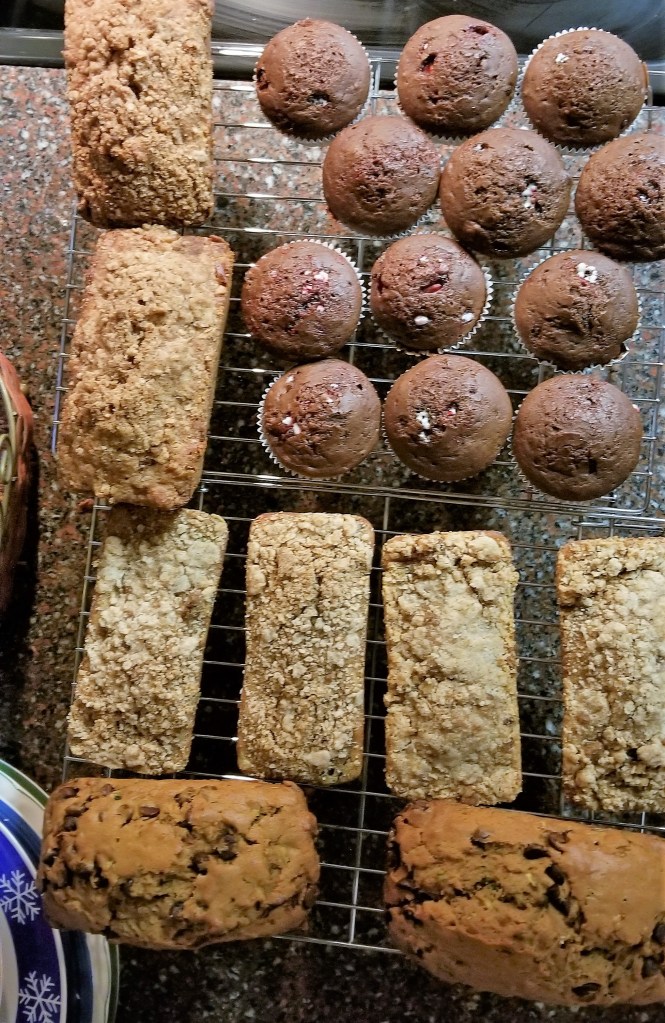
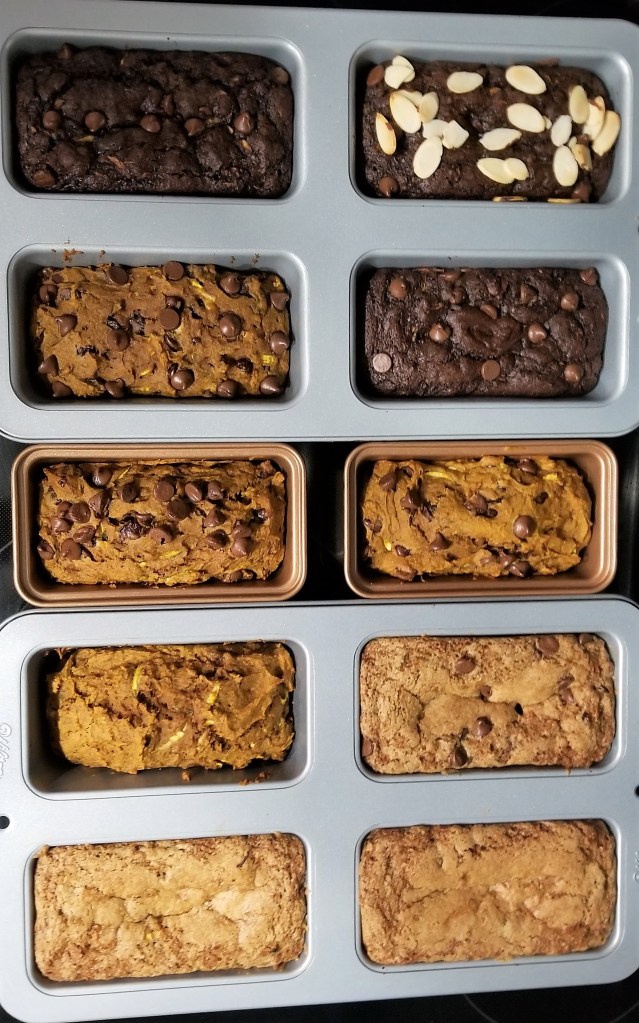
From about 2pm to 5pm we made 14 loaves and 12 muffins. Then during round two (including my husband), another 10 loaves.

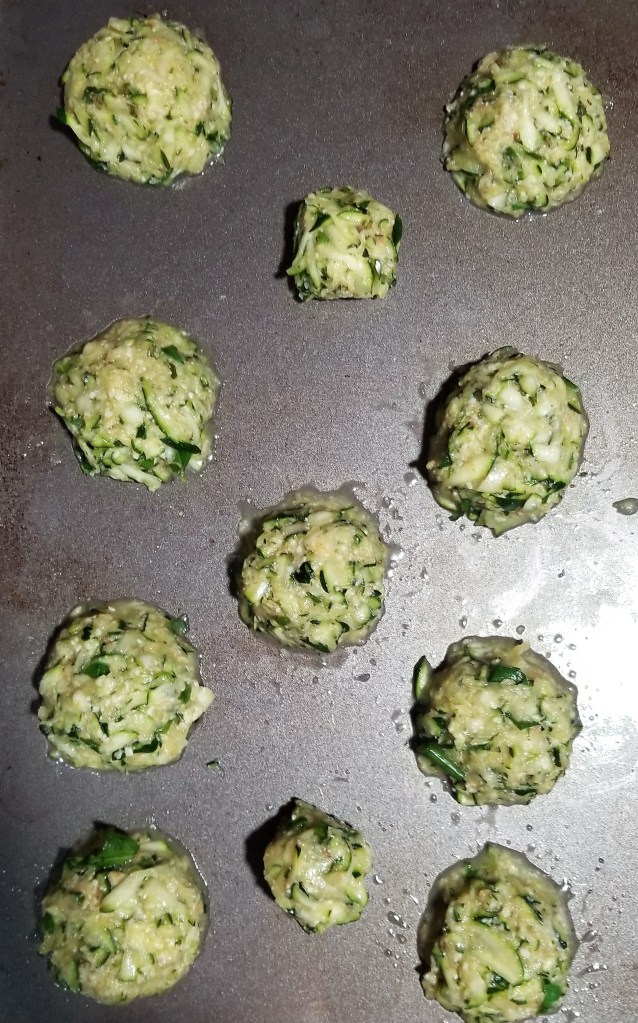
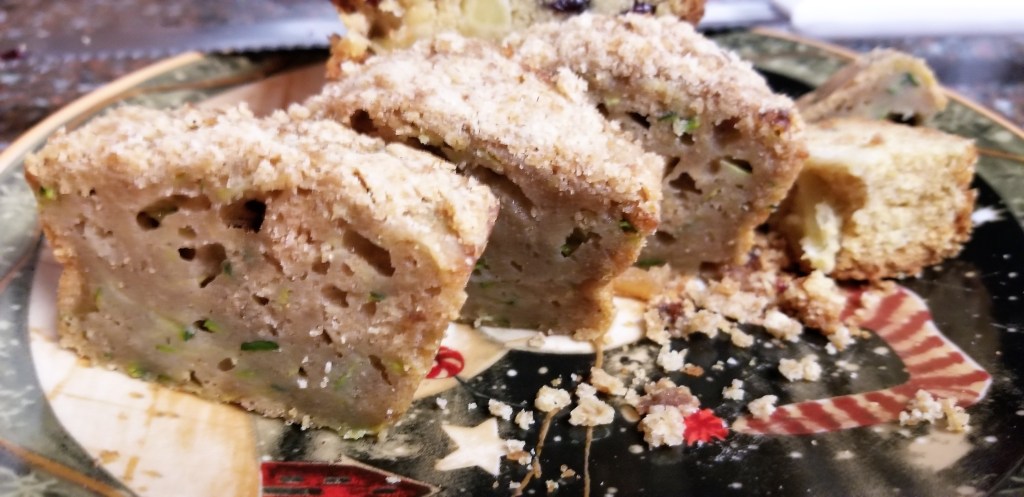
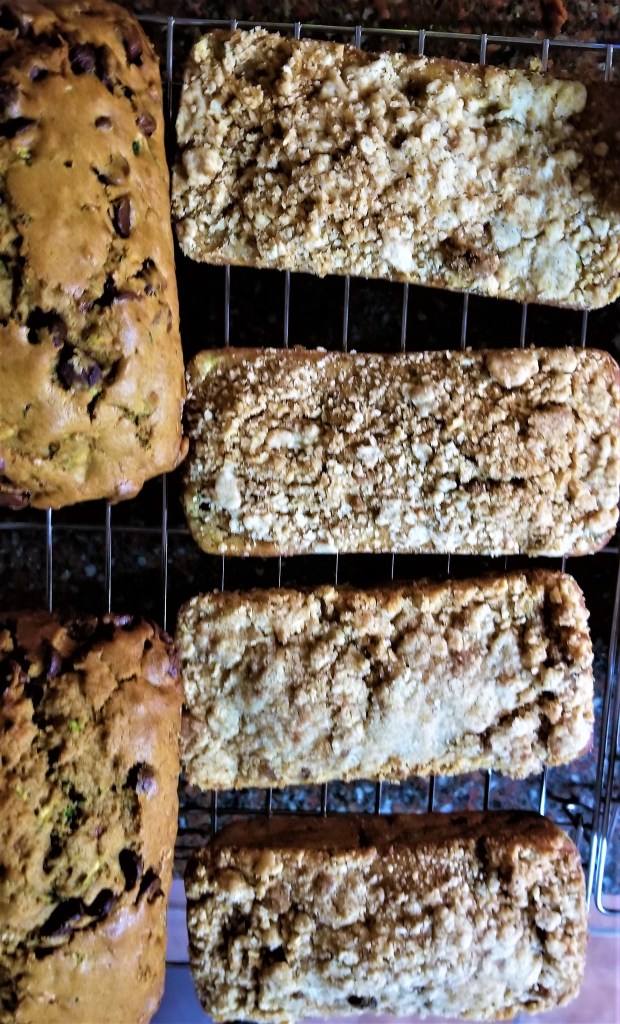
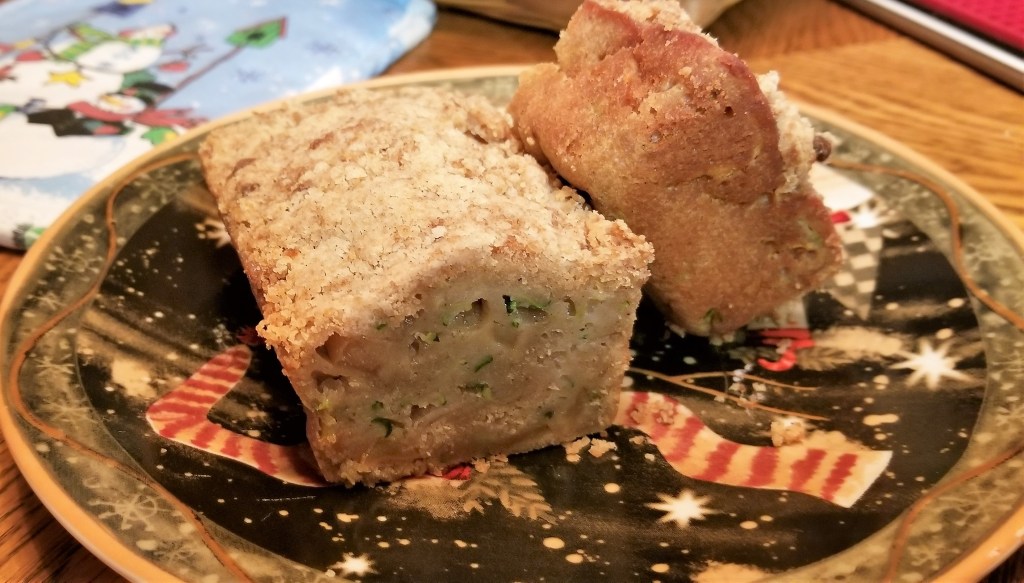
  • Zucchini-Apple Crumble: This is my favorite flavor. Subtle in sweetness, could be great with butter, and strong on the apple while mild on the zucch taste. It did not looked cooked on the inside, but definitely was fully cooked. We did not add raisins, but my dad’s first recommendation was to do so and I agree that would only improve these. The recipe makes enough crumble for both the Zucchini-Apple and the Apple-Cranberry. I recommend making these together.
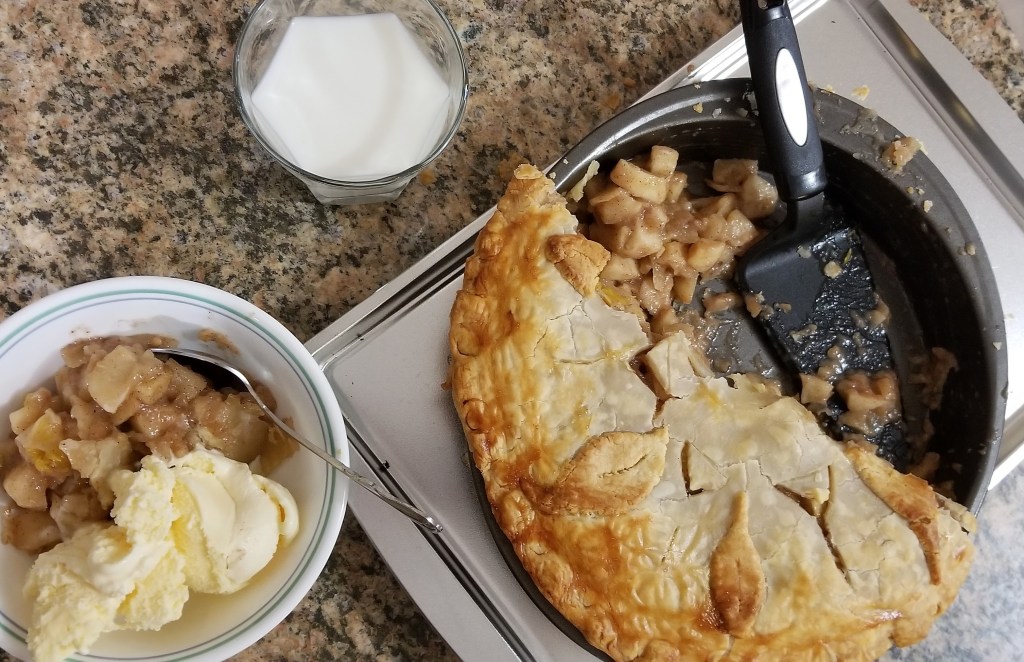
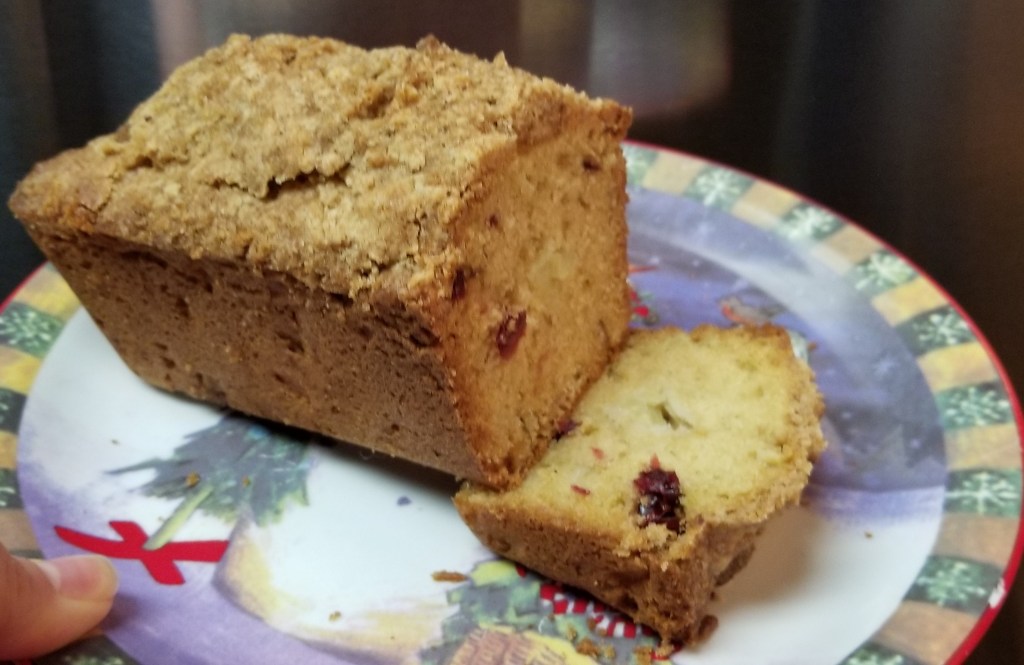
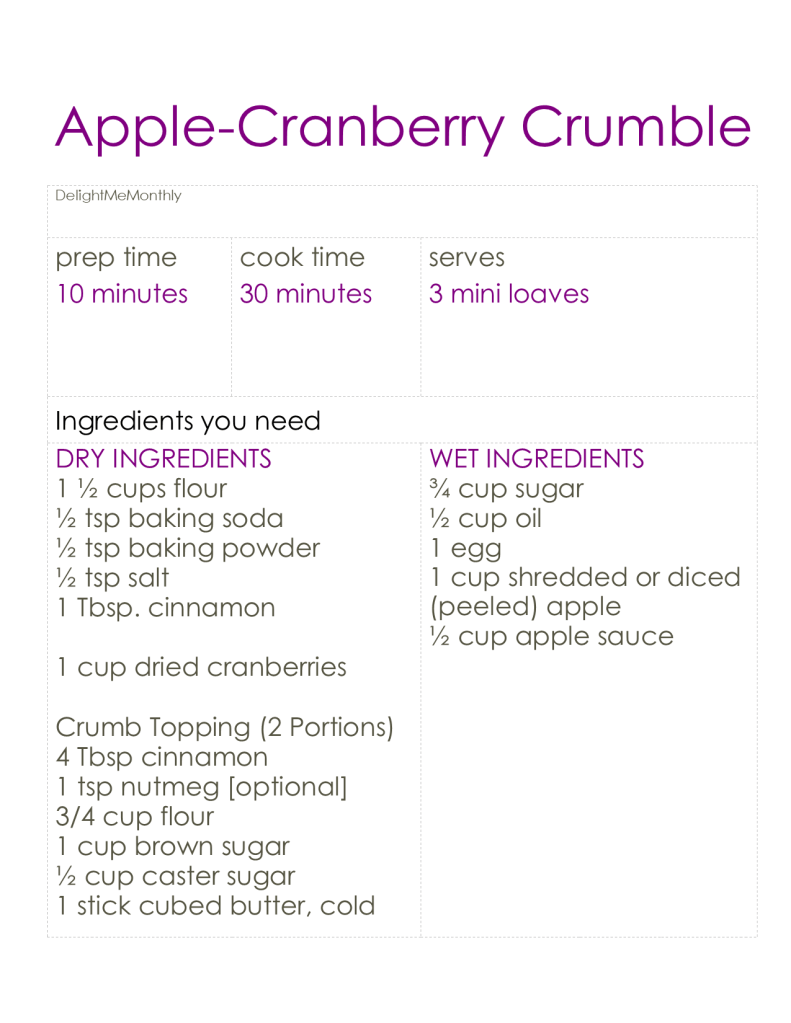
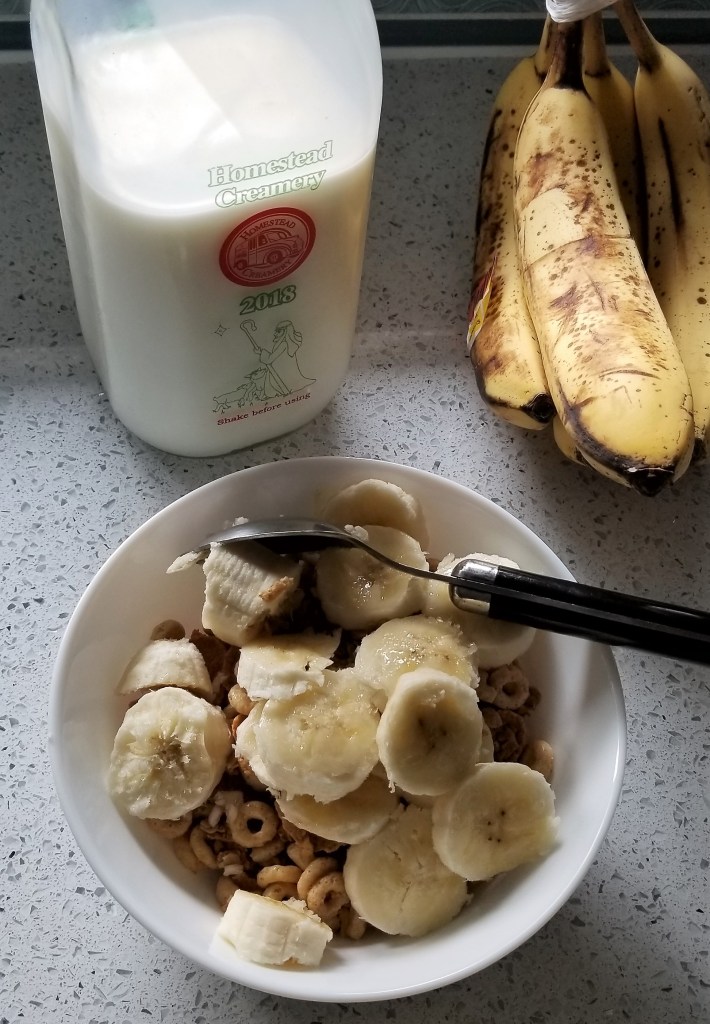
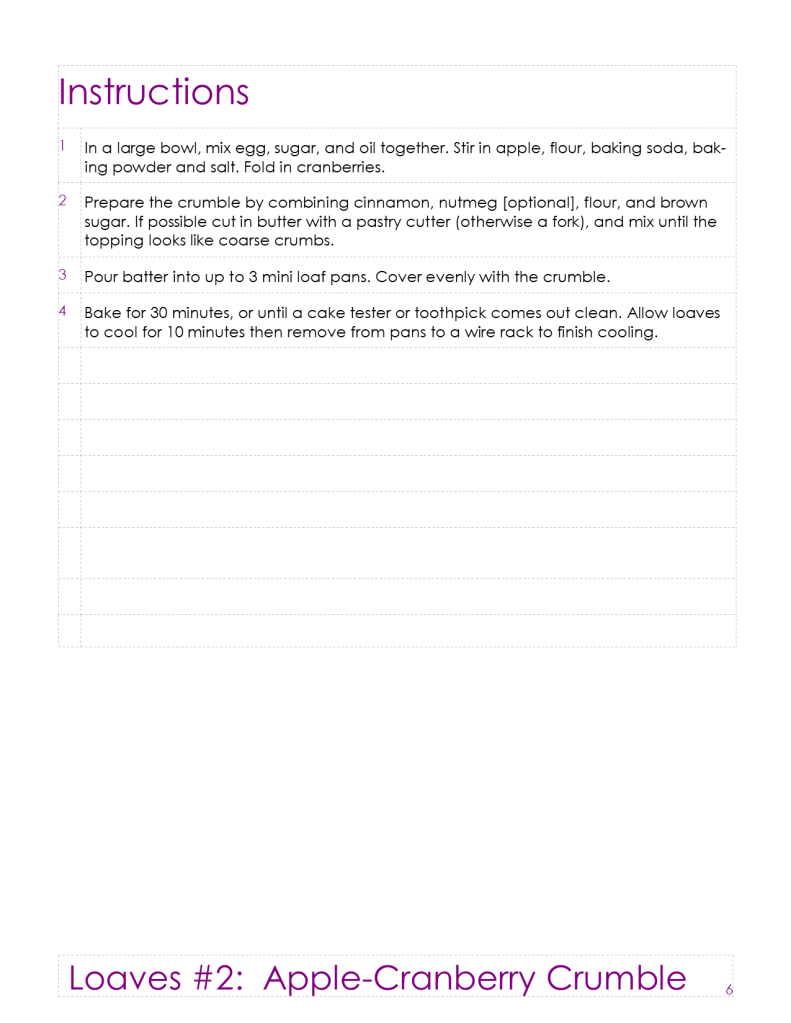
  • Apple-Cranberry Crumble: Do not feel obligated to peel this apple before dicing it, however doing so might help with the texture and release of liquid from the apples. I recommend using a food processor or vegetable chopper with or without the skins. The original recipe for this was very thick/dense and I have modified it further for you. A glass of milk or smothering of butter is a great pairing for this product.
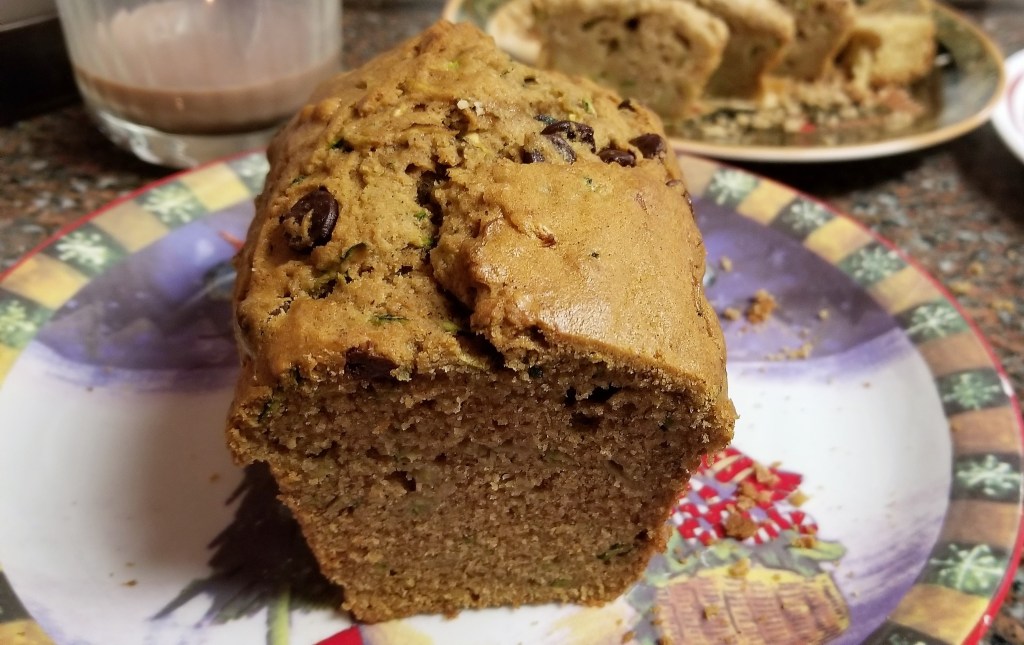
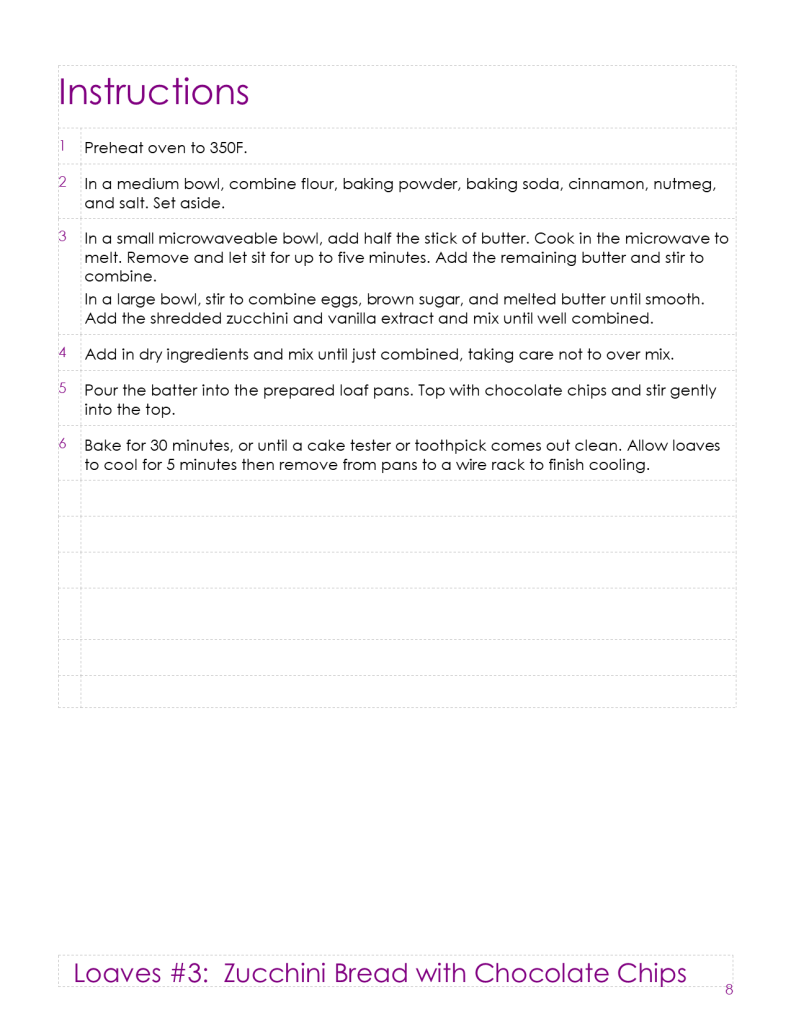
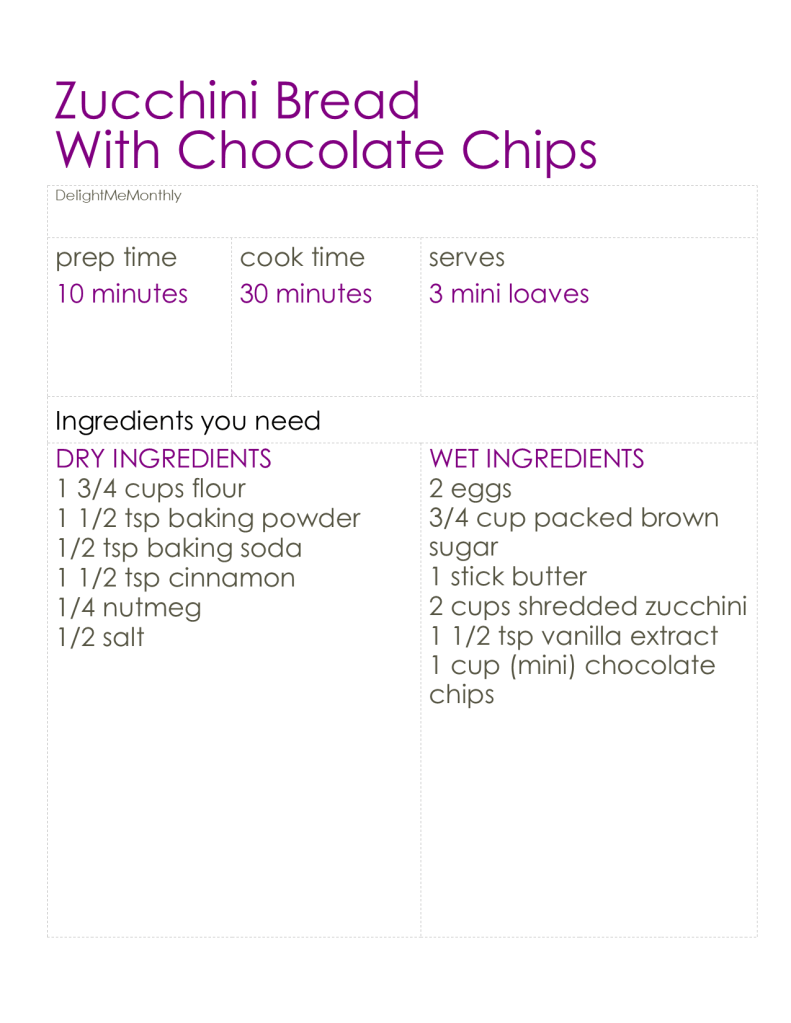
  • Zucchini Bread with Chocolate Chips: None of us were huge fans of this one. I would rather spend my chocolate chips in a pumpkin loaf next time. We only added the chips to the top of the loaf, however a couple sank into the batter. I am not saying I will not be finishing this loaf, I just would never make it again.
  • Chocolate (Zucchini) with Chocolate Chips: Not enough chocolate in the other flavors? We can help you with that! The chocolate with chocolate chips was preferred over just adding in the chips. The extra chocolate gives it a beautiful chocolate color with a melted chocolate surprise in every bite. With zucchini, or without, this is a great option. Be cautious adding too many spices; stick to cinnamon for this one. The zucchini will help with the lack of moisture, apples would also kick in some much needed moisture.
  • Chocolate Chip Cranberry-Zucchini: We added extra spice to this one and it tickled the line of too much, without crossing over. Another teaspoon of cloves would have pushed this flavor right off the cliff, but thankfully it was fabulously flavored and I ate the whole thing within 30 minutes of it coming out of the oven. I lost all self-control. Be careful, this is the perfect combo.

Two without Zucchini (I really wanted to try zucchini.)

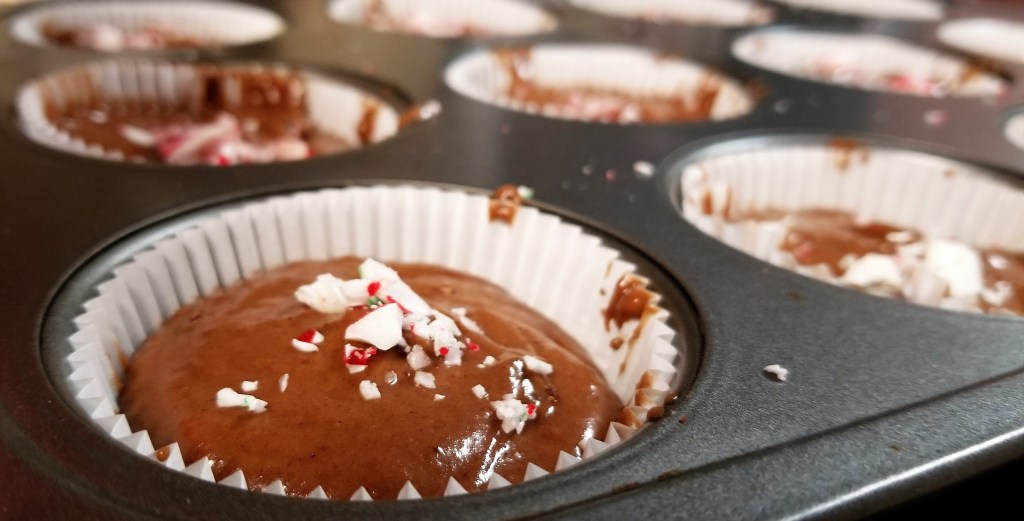
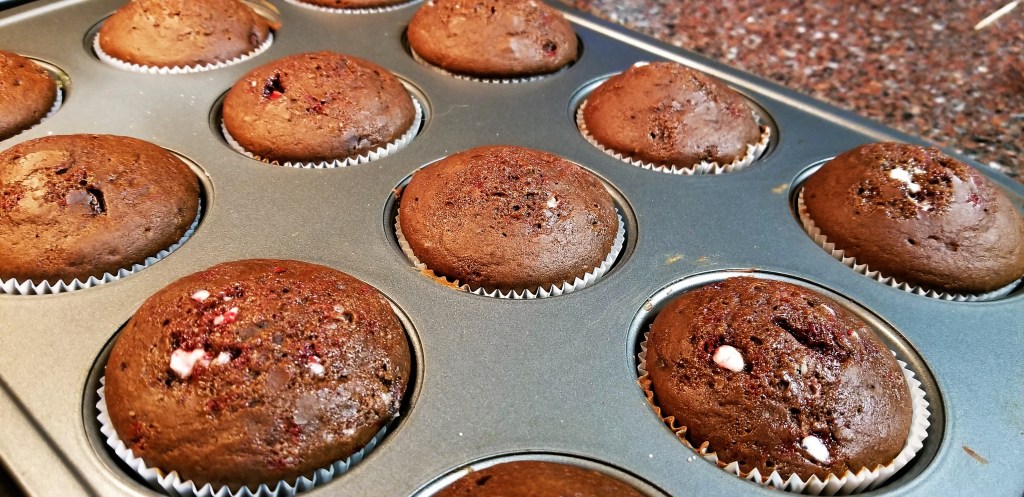
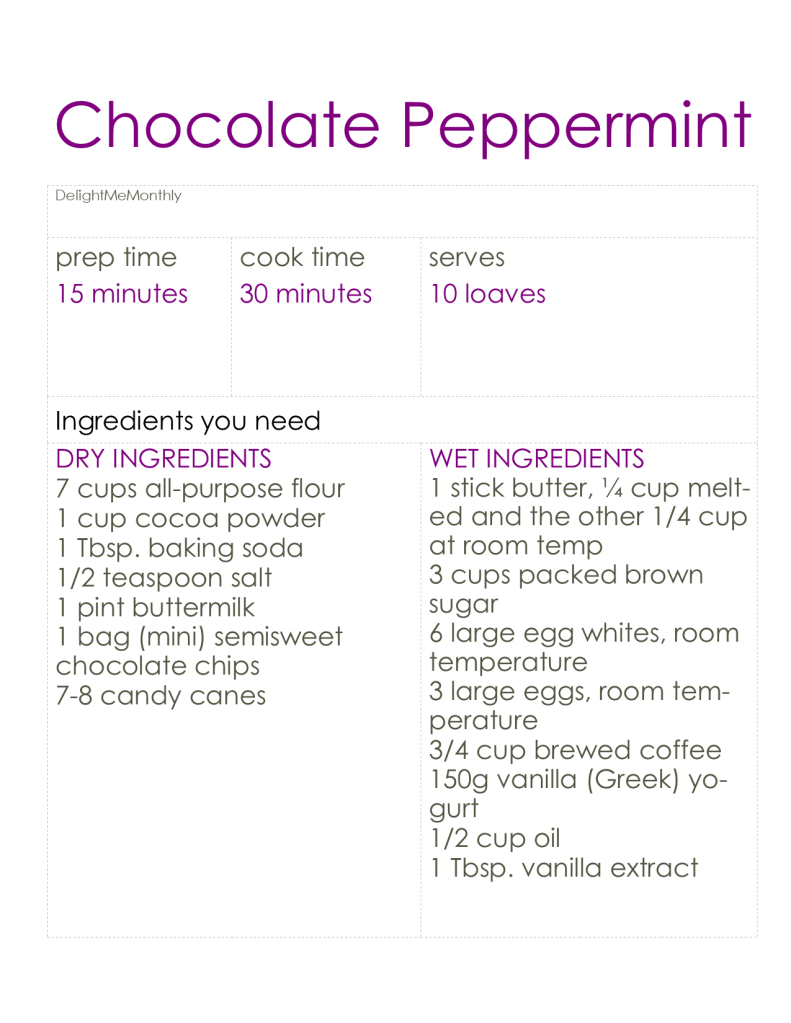
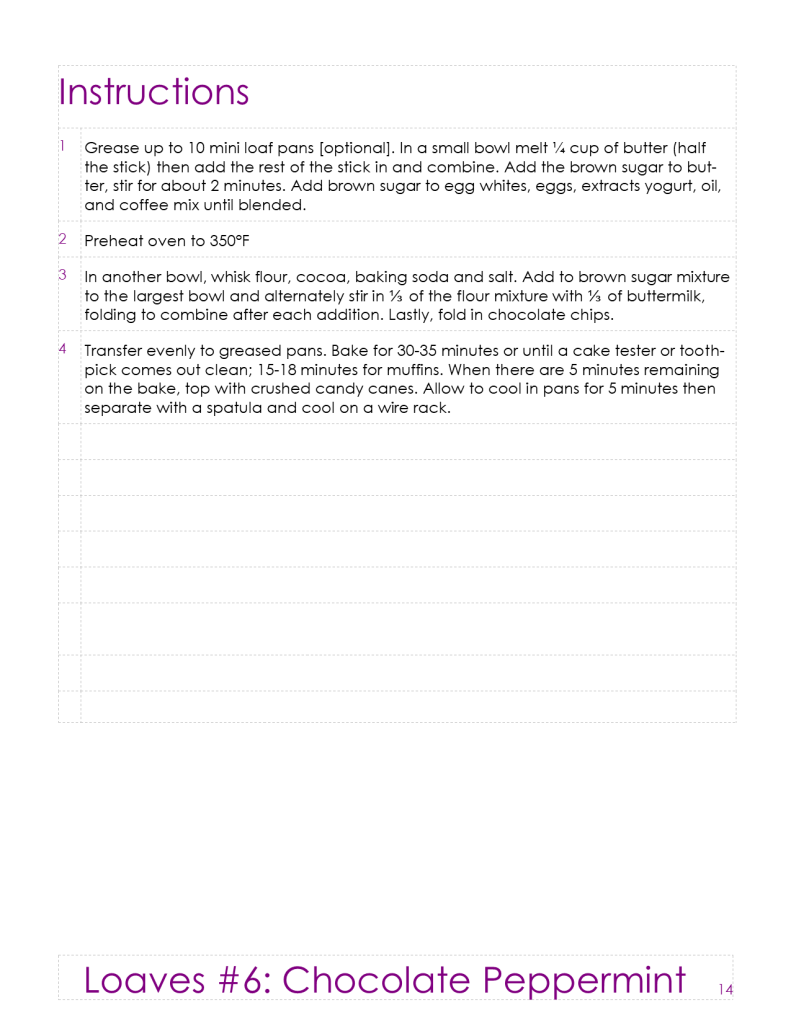
  • Chocolate Peppermint: The original candy cane chocolate recipe, made enough for 3 regular (8x4in) loaves. We almost doubled the recipe for a total of 10-12 loaves. Depending on how big you want them, a recipe calling for 8×4 to 9x5in fills about 3-4 mini loaves. 3 full and fluffy or 4 rather flat loaves. We broke it up into 6 loaves and 2 muffins. If you use the mini candy canes for the topping, you can easily crush them in their loose bags however the full sized candy canes will need to be removed from their plastic and smashed in a plastic bag. Definitely do not bake the candy canes the full length of the loaf bake; they will melt and sink pathetically into the loaf. I found David Bovitz’ tests with chocolate enlightening for solving the lack of moisture. I usually add applesauce myself.
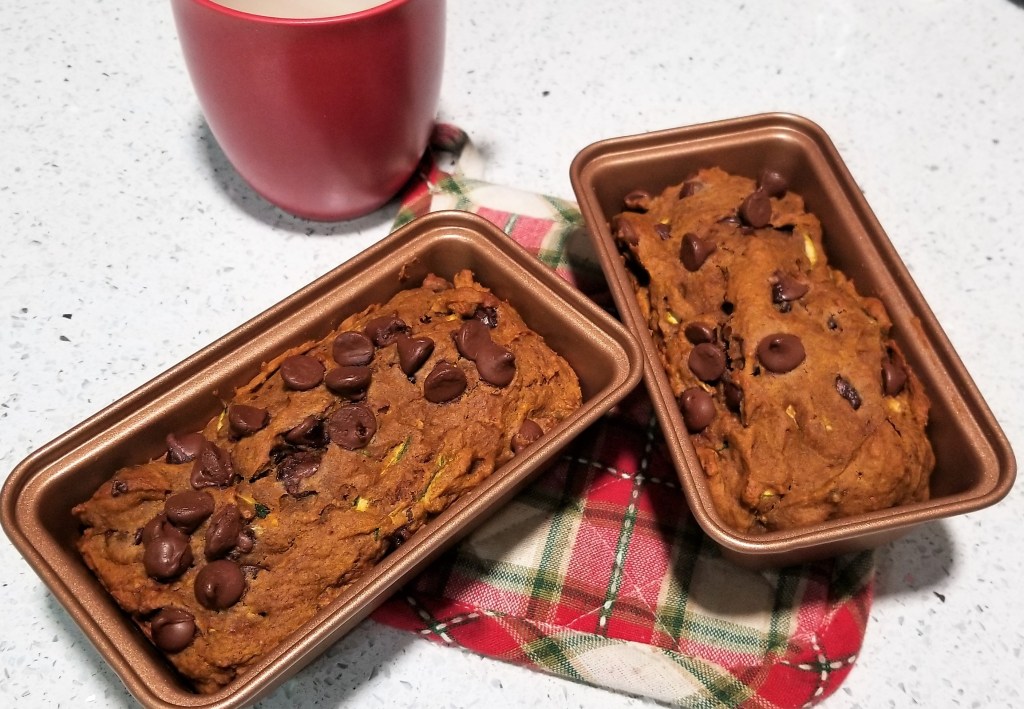
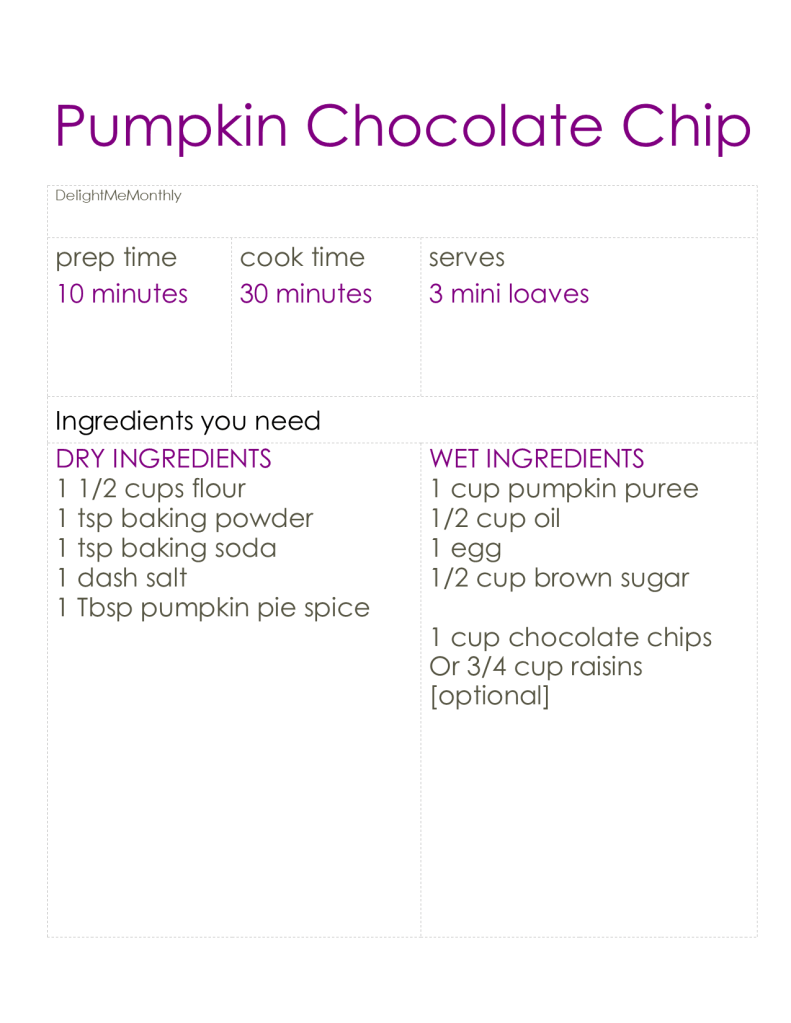
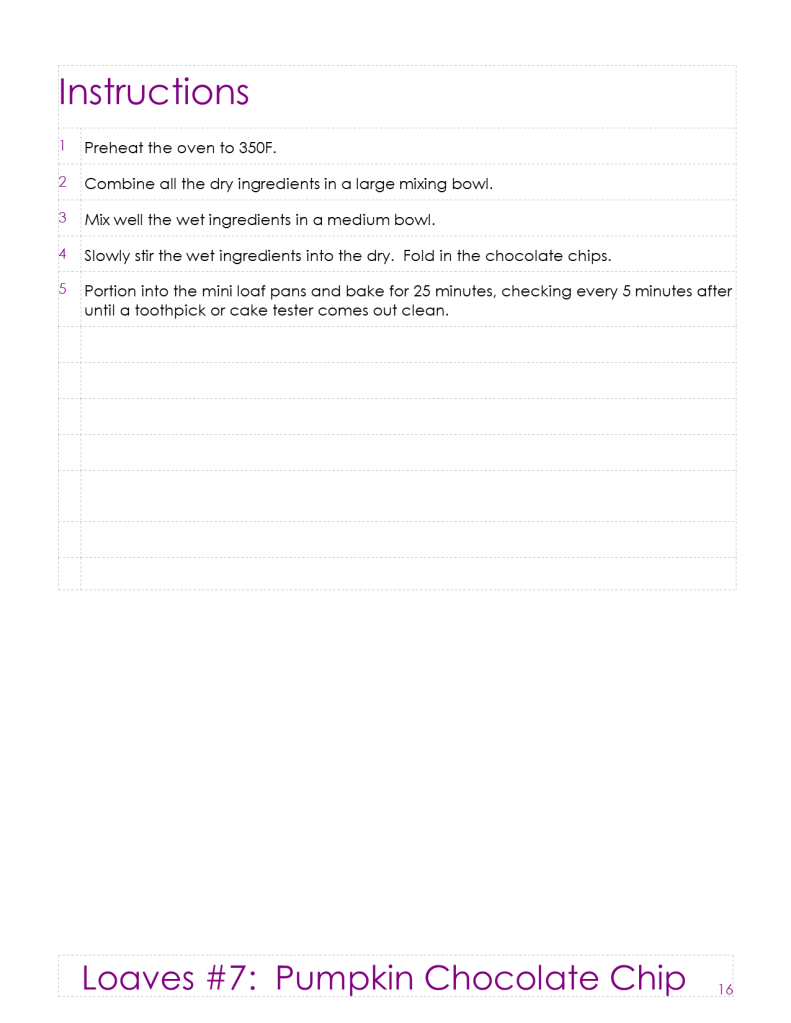
  • Pumpkin Chocolate Chip: You can, of course, add zucchini or remove the chocolate chips to modify. This is very similar to Pumpkin Magic muffins; it retains its pre-baked shape. Although this is more of a fall than a winter flavor,

1 regular loaf pan = 3 mini loaf pans

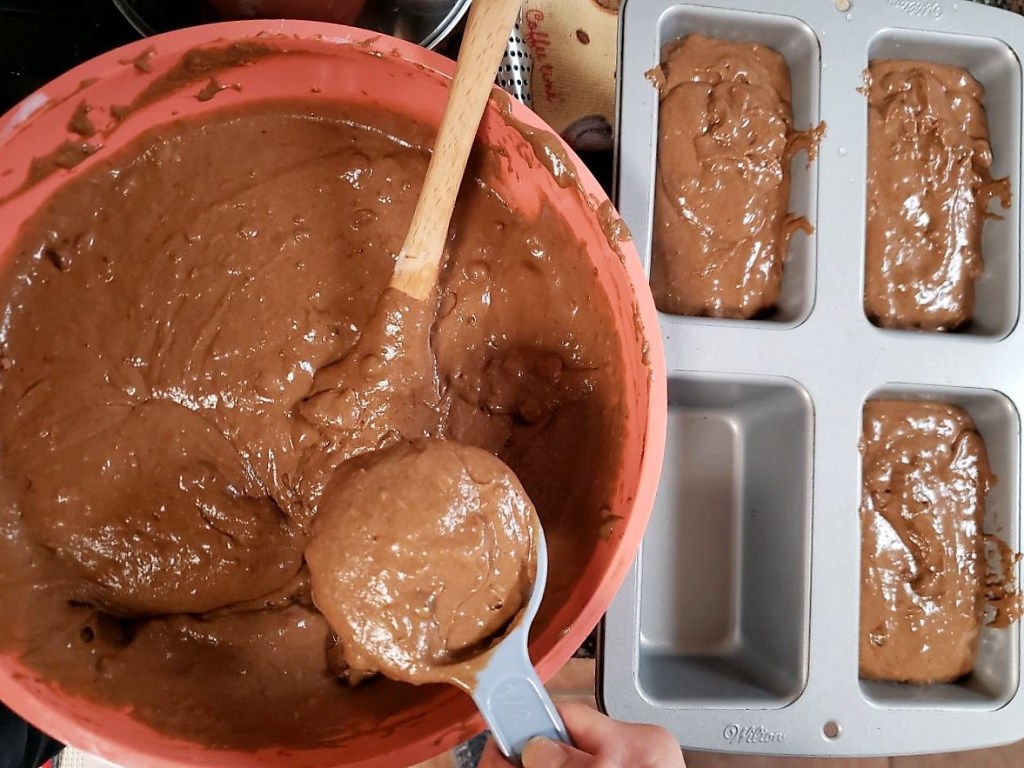
Customizing your own mini-loafs is quick and very simple! How to: Mix all your wet ingredients in one bowl, your dry ingredients in a separate (larger) bowl, then add the wet into the dry. Fold in any extras (i.e. cranberries, chocolate chips, nuts, etc.) and portion equally into pans. Bake at 350F for at least 25 minutes, checking every 5 thereafter. Bam! now you are an expert. Seriously, if you follow these guidelines you can get creative and make incredible loaves every time.

Take-Home Tips: The problems that could arise with mixing up loaf ingredients include under-baking a very wet loaf or over-baking and having a dry loaf, pairing flavors that do not blend well, a loaf that falls apart, and over mixing the batter for dense results. To combat this, focus on balancing the dry and wet ingredients; the goal is a thick, but pourable mixture. If your fruits are not large or juicy, peel them before adding to ensure the moisture is released in the bake. Stick with flavors you know get along from other recopies before branching out and creating your own. It is better to leave out flavor from the bread than to crowd it. Remember, we are making bread, which can have toppings such as butter and honey when serving. Allow your loaves plenty of time to cool, do not rush them or they will crumble when removed to the cooling rack. If they begin to crack, leave them in their tins or continue to bake them as appropriate. When combining the batter mix the flour as little as possible to keep it light, taking care to fold rather than mix. If you keep these points in mind, you are setting yourself up for success.

Scoring: The mini loaves are the perfect size for an after dinner treat. They will not stay on your counter for days, can be eaten with any meal or as a snack, and offer the opportunity to share a hearty treat that is not just packed with sugar. Keeping this in mind, the idea of the loaves receive a 9 of 10, one point off for requiring an oven and special equipment (mini loaf pan). For the individual flavors:

  • Zucchini-Apple Crumble – 7 of 10
  • Apple-Cranberry Crumble – 6 of 10 for the original recipe and 8 of 10 for the improved (included) version, also the only recipe yet requested!
  • Zucchini Bread with Chocolate Chips – 7 of 10 (needs lots of chocolate chips)
  • Chocolate Zucchini with Chocolate Chips – 8 of 10
  • Chocolate Chip Cranberry-Zucchini – 10 of 10
  • Chocolate Peppermint – 7 of 10 (the muffins stuck to the paper)
  • Pumpkin Chocolate Chip – 8 of 10

Chocolate #3: Chocolate Truffle Cake

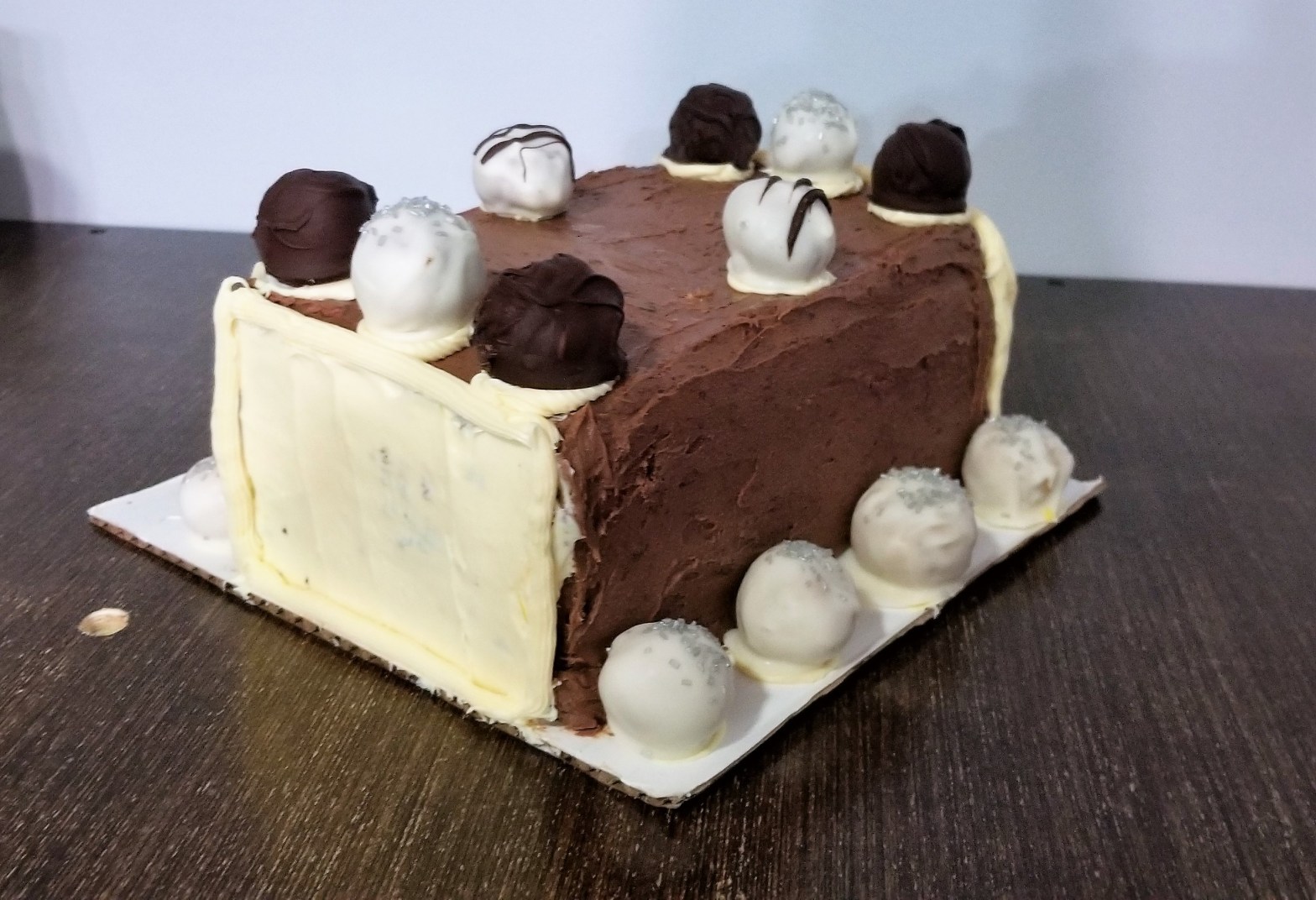
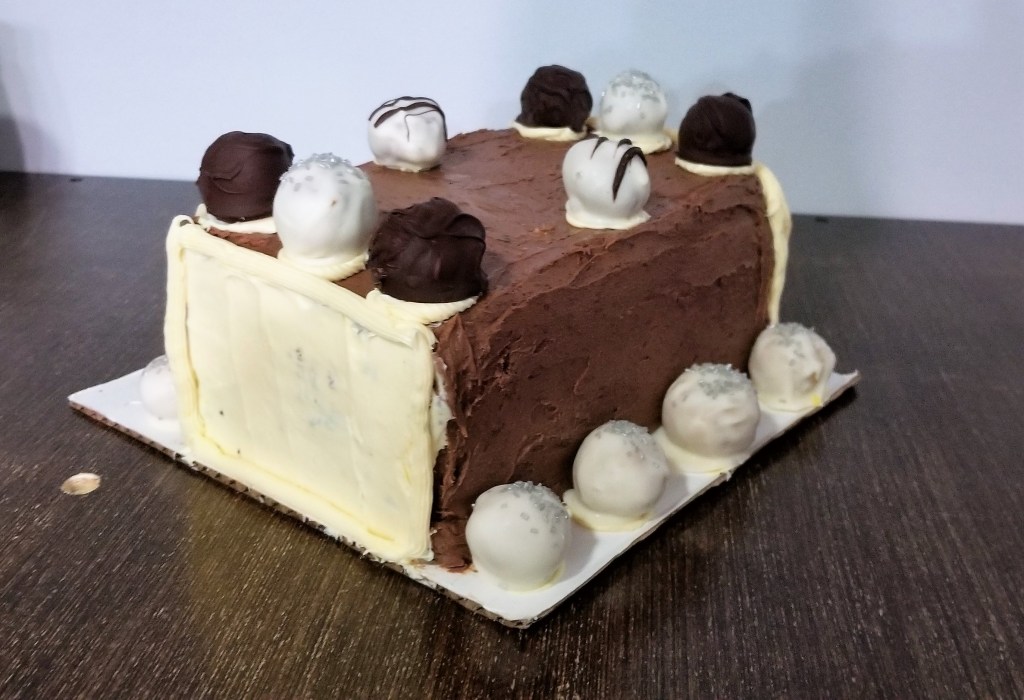
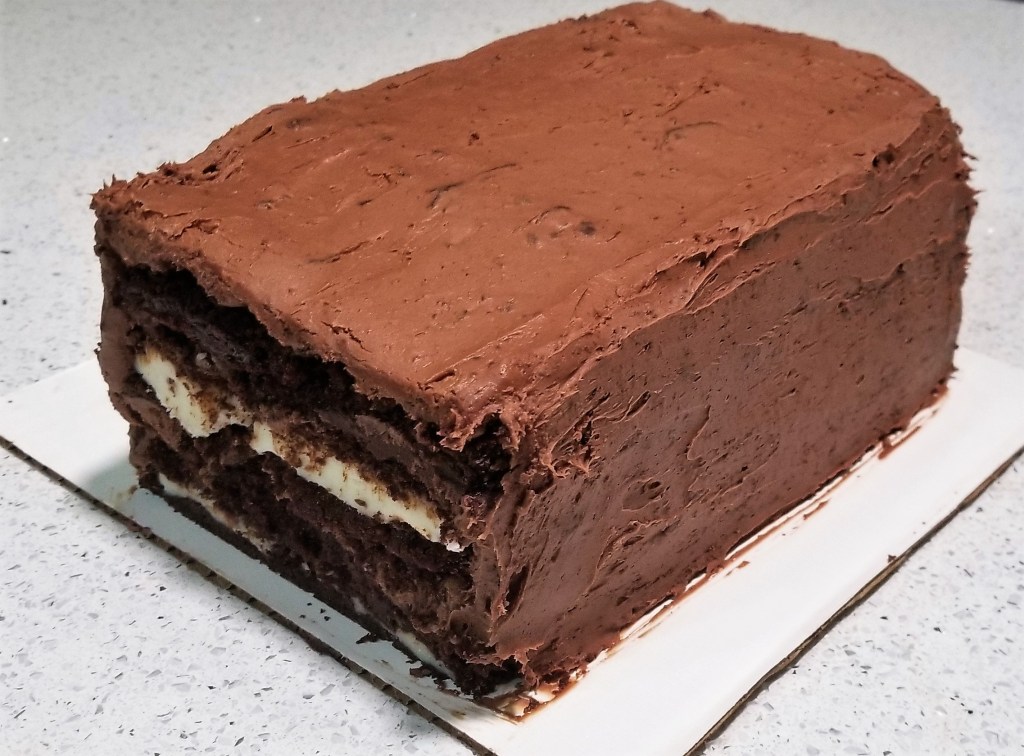
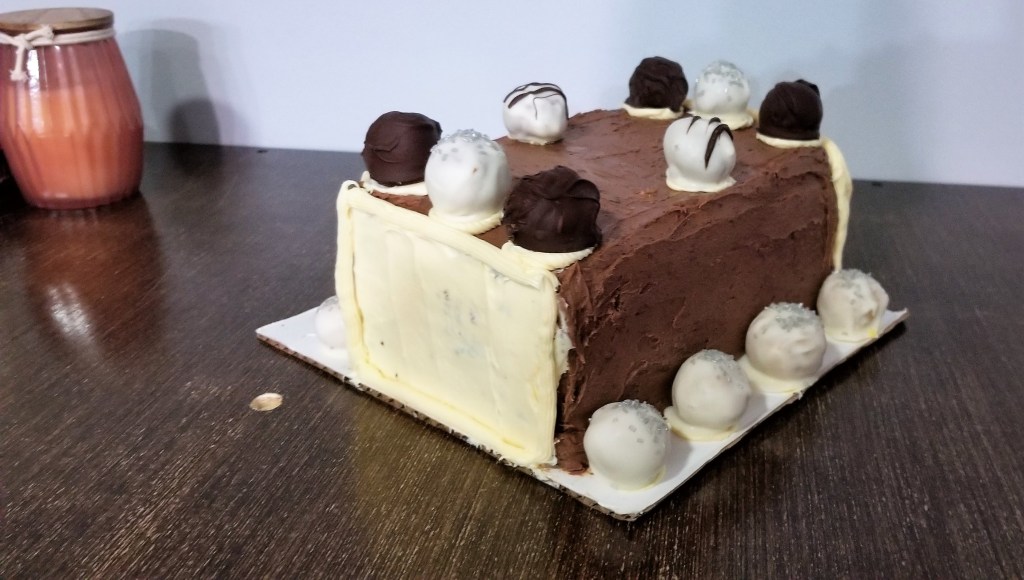
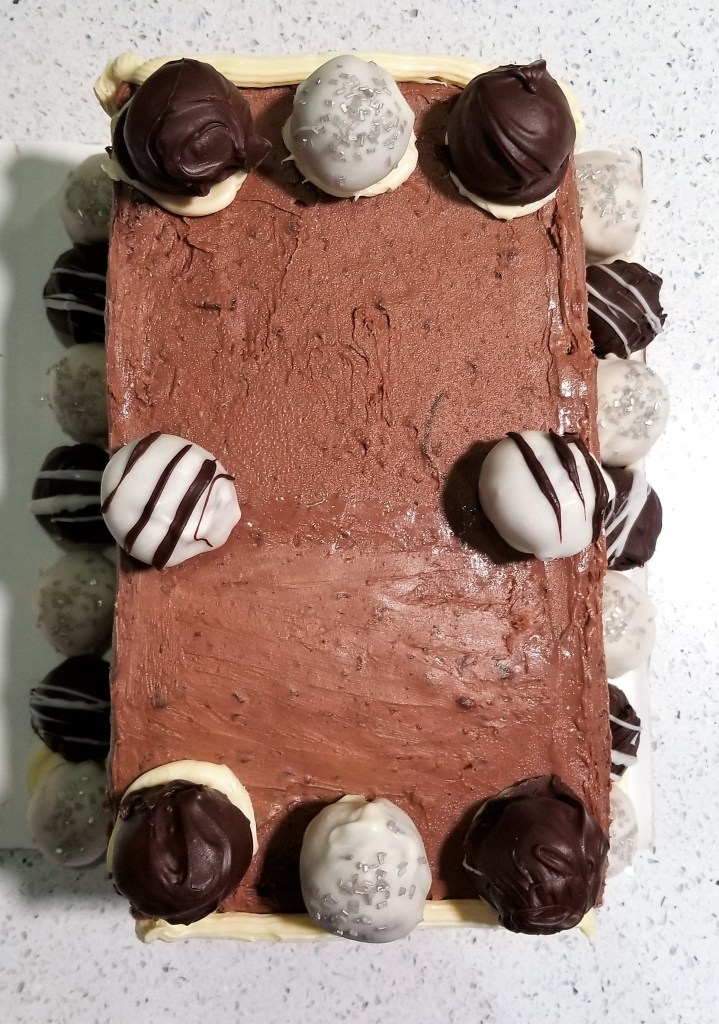
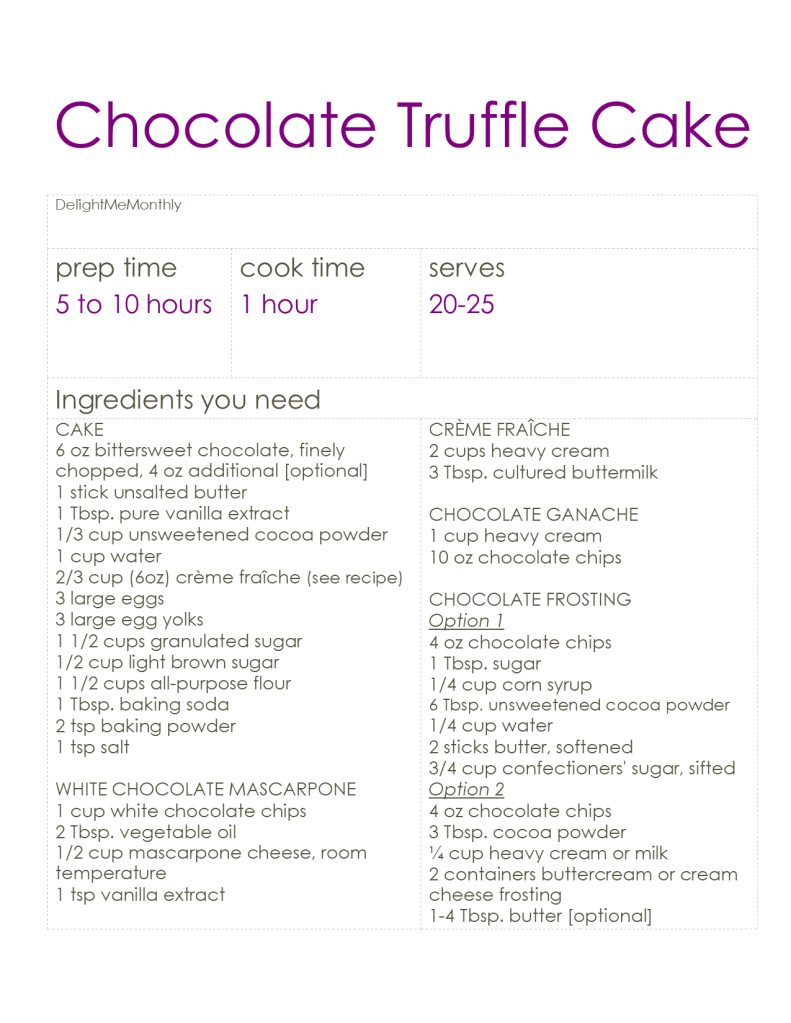
What a cake! Twelve layers of the best chocolate cake I have ever eaten. Rich, decadent, special.

Oops, forgot to post this in November! Time flies when you’re stuffing your face.

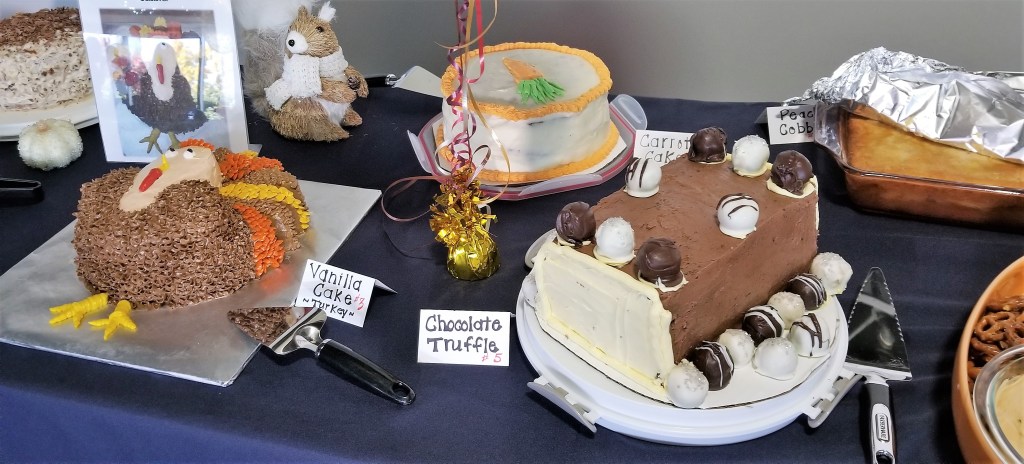
I submitted this cake for a Thanksgiving dessert contest and was determined to place! There were eight submissions, most of them delicious and visually appealing. The first place winner submitted a themed turkey for presentation; it was cute and very clearly a turkey. I was unable to try the turkey during the competition, but did appreciate the creativity. Assuming the theme and design were huge contributing factors to placing first, I cannot be too hurt.

I am grateful and satisfied with my second place victory!

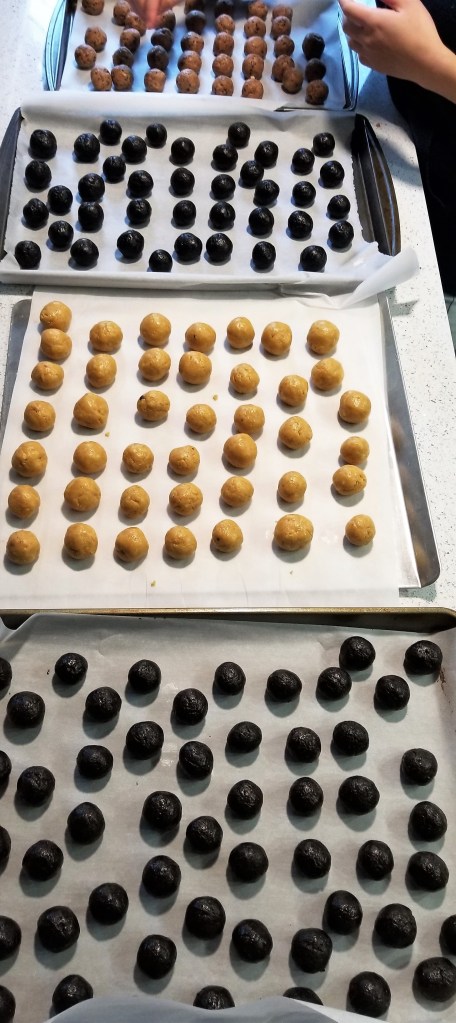
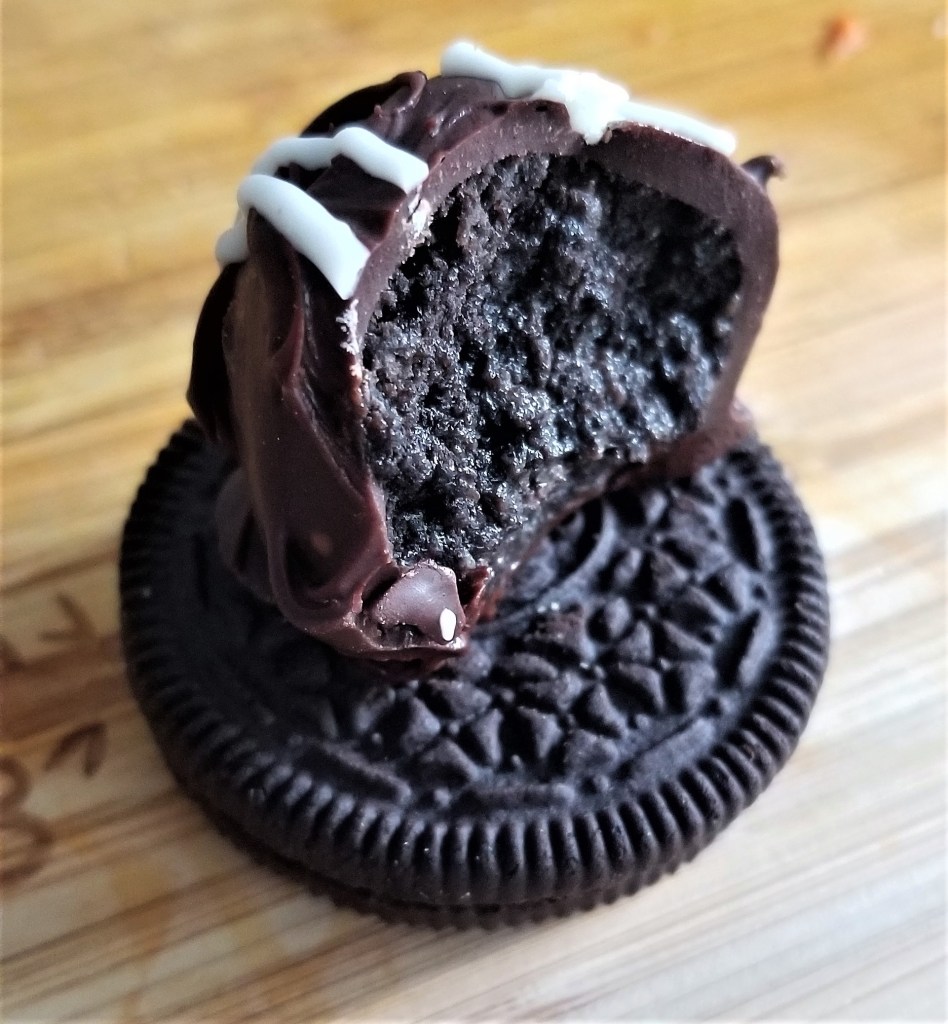
The chocolate truffle cake was almost completely devoured, unlike most of the submissions. I received several compliments and actually enjoyed the cake myself. The lemon Oreo truffles were a clear delight. I also decorated with mint and regular Oreo cookies as well as cookie dough truffles. I can eat about five before I feel overwhelmed with sugar.

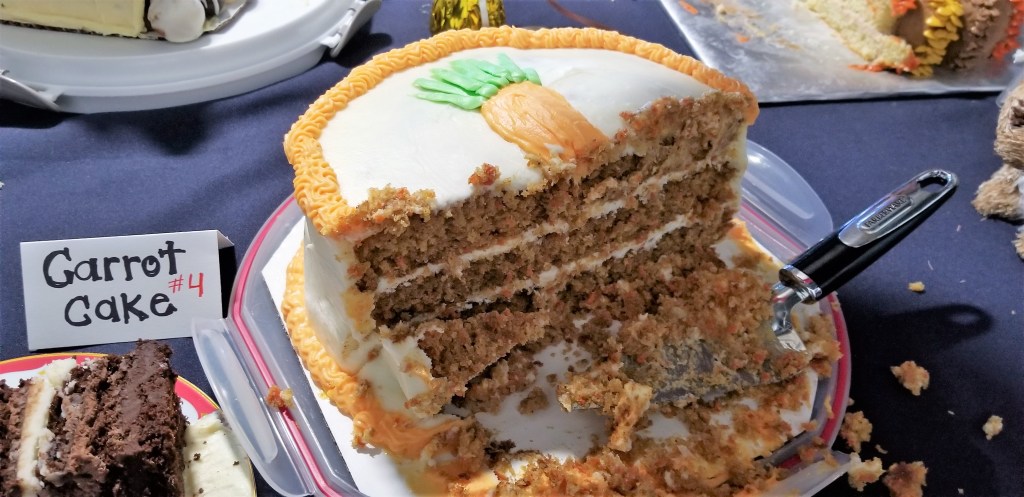
In case you were wondering, the third place winner was a treasured friend who deserved the win and I am so proud of her. She made a very cute and clean, yet moist and delicious carrot cake. The fresh carrots and spices make this cake a clear favorite in most crowds. For months I was eager to try her famous carrot cake and finally accomplished this goal. Can I steal the recipe? I think I must.

The 3 Winners

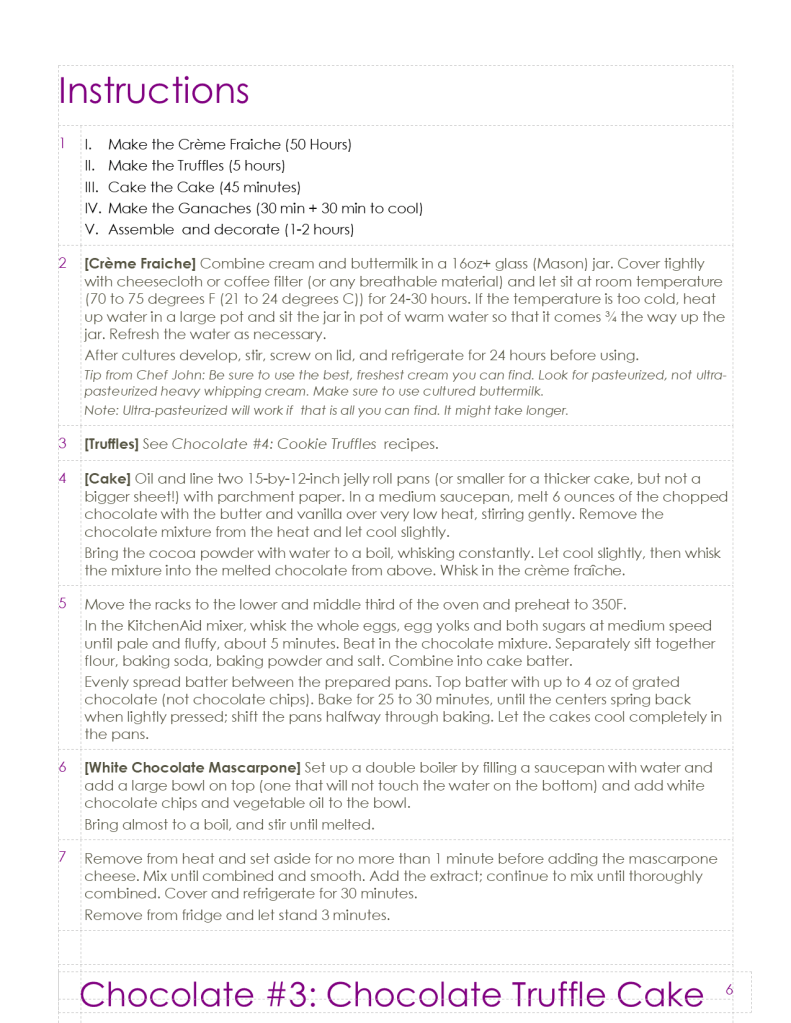
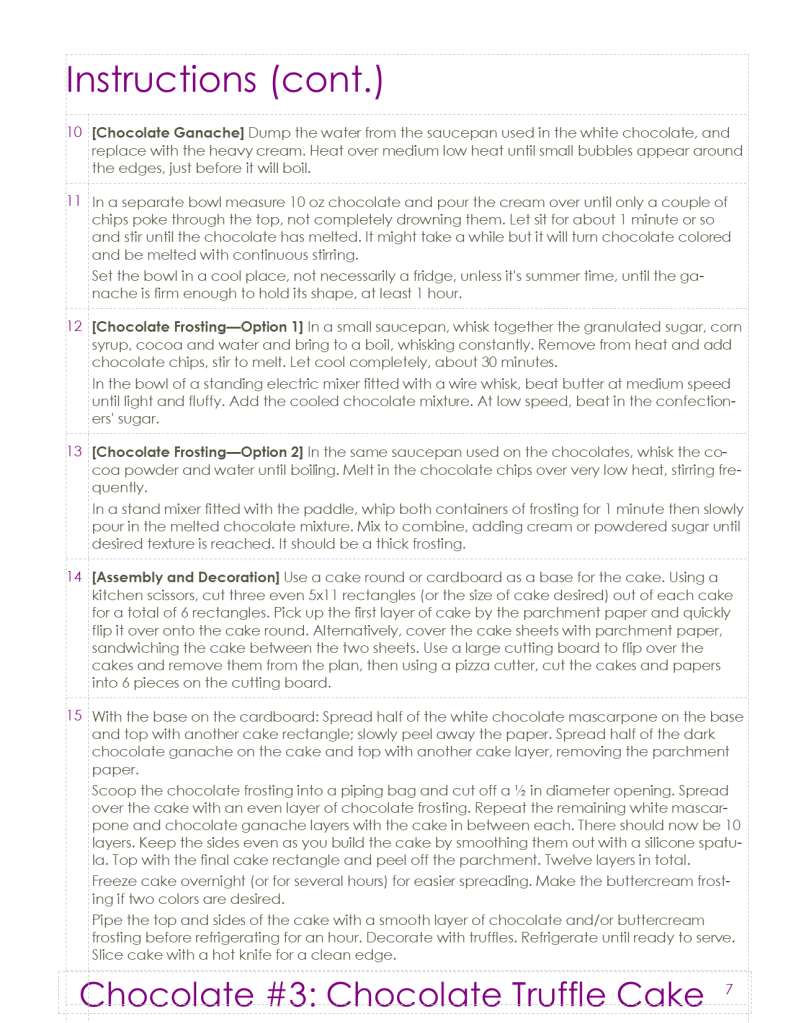
Take-Home Tips: If you make everything from fresh, it will take four to five days, including all the waiting for ingredients to set. It can be assembled in one day if you have all the ingredients and do not need to make the creme fraiche. The cake layers are challenging if the cake is crumbly. If you have a chocolate cake recipe you trust, feel free to substitute it but bake in the jelly-roll pans.

Scoring: 9 of 10. This cake is for a dedicated chocolate lover. It is sweet with the ganaches and the frosting, but the cake alone is moist, and pretty close to perfect.

Chocolate #2: Chocolates (Tempered)

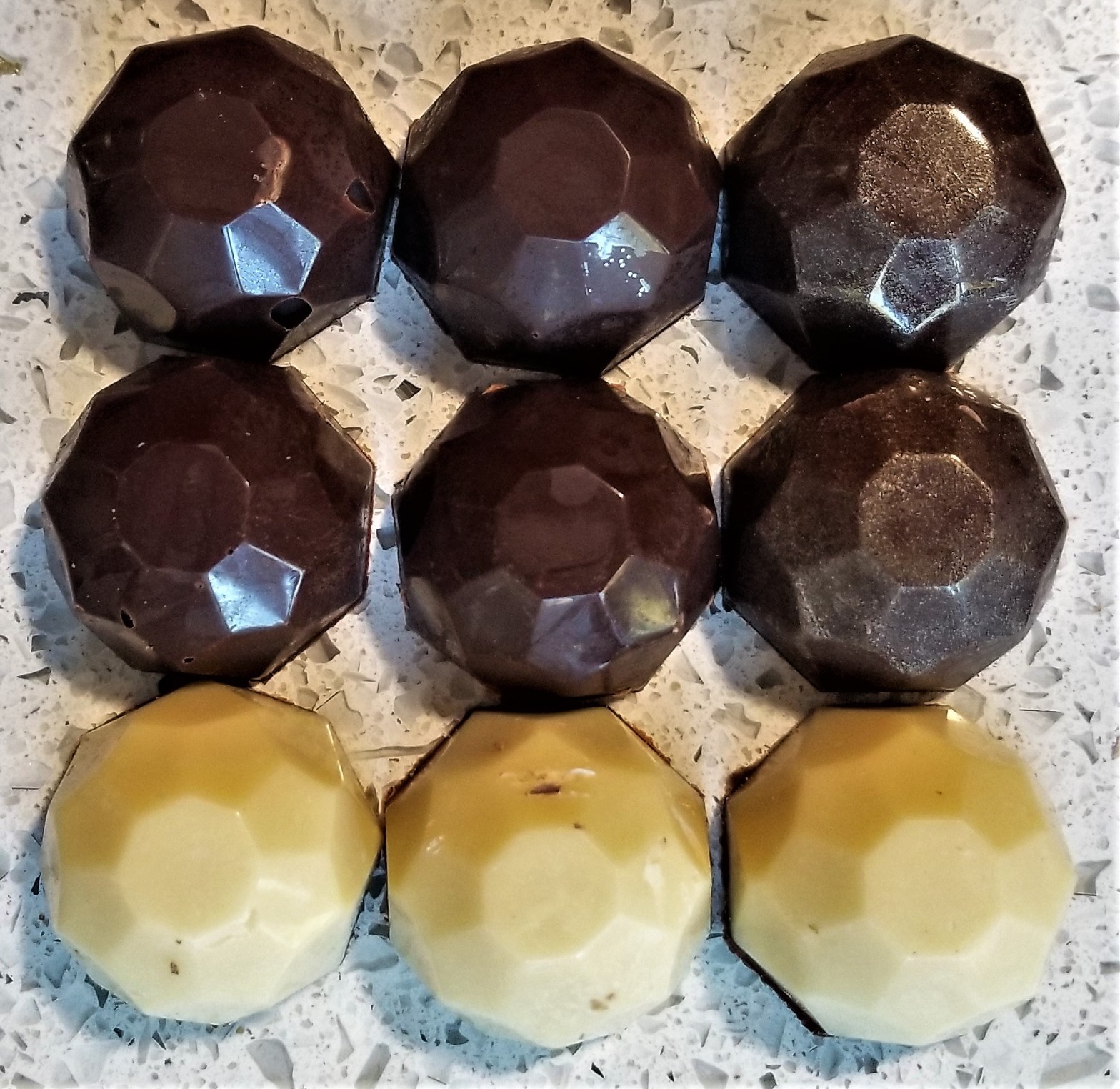
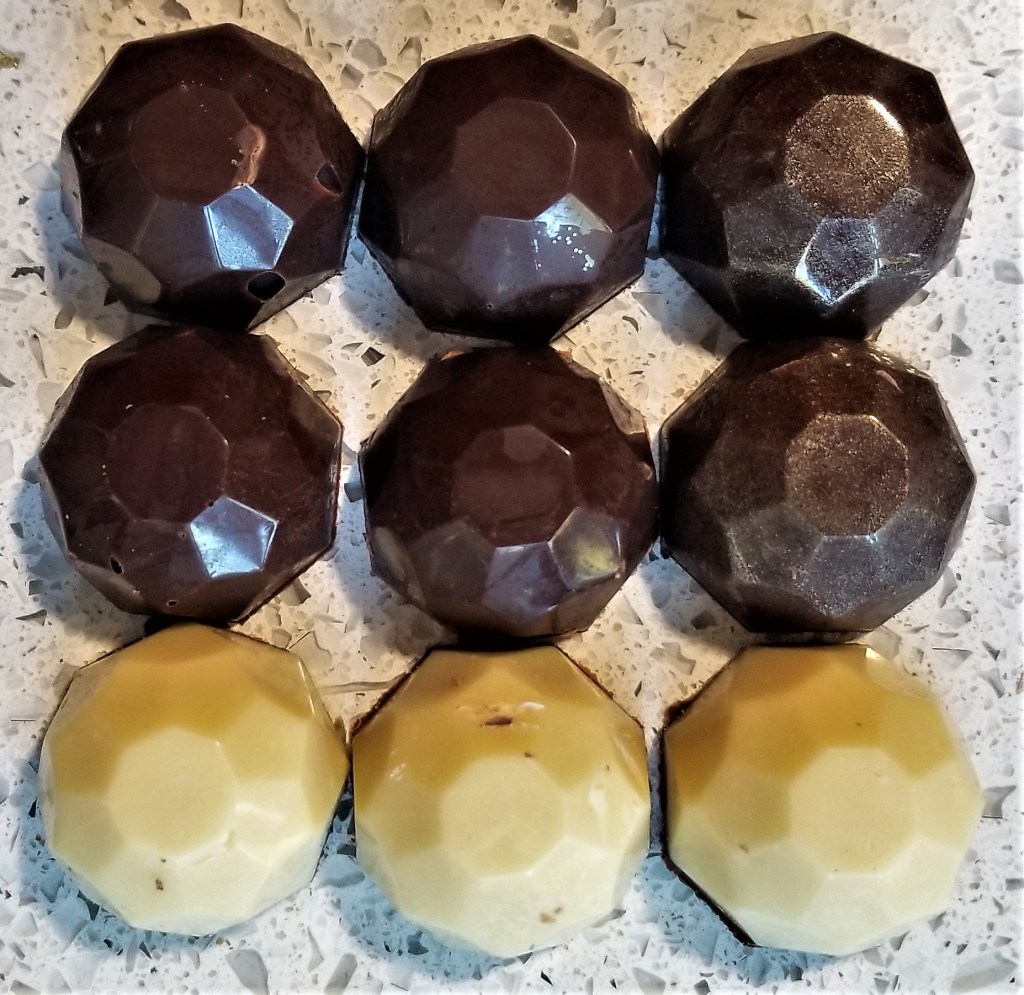
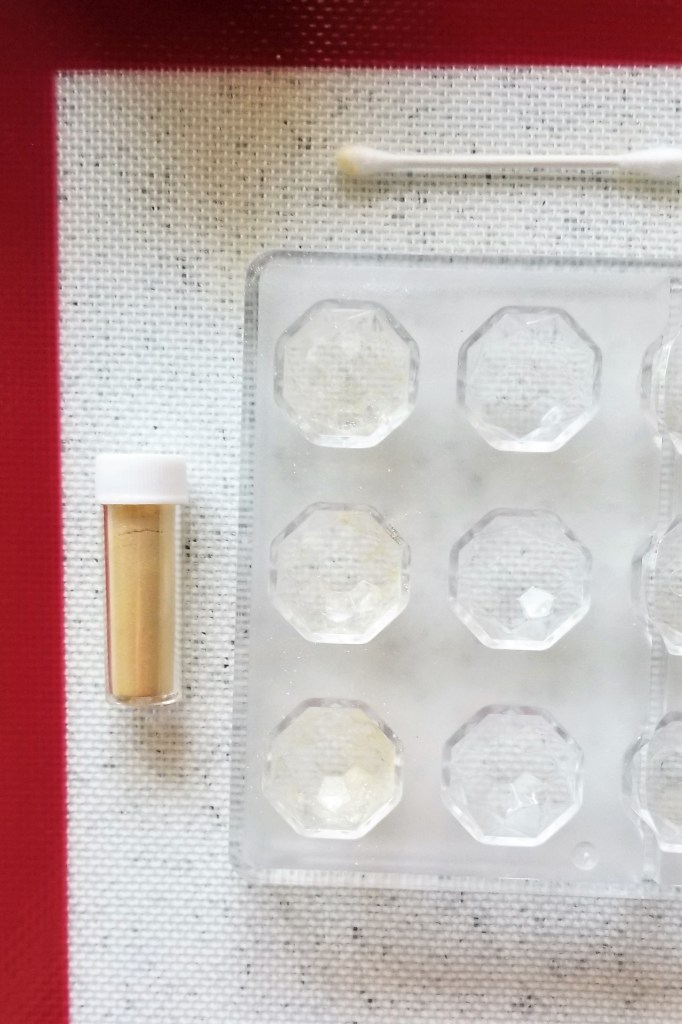
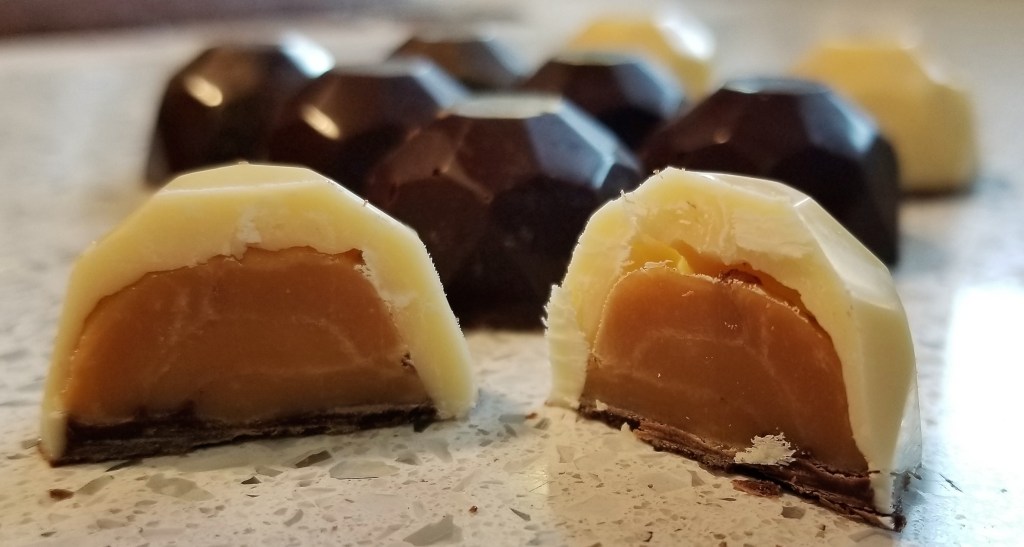
Straight from the mold: white chocolate and semi-sweet with gold dust (right)

For every successful baker, learning how to temper chocolate is one of the key techniques to master. Until recently, I never understood why tempering was a challenging task or why it was so important to do correctly. If your goal is to make hard chocolates that will hold their shape, look professionally made and taste decent, then you really should consider tempering first. Tempering is a process of heating (melting) chocolate to a certain temperature (106-113-122F) then immediately dropping that temperature and bringing it back up to somewhere between 82-92F depending on the type. Doing so agitates the molecules so that they form a crystal structure that is ideal for a firm, crisp chocolate snap, solid, or shell.
Once you are familiar with the process, it only takes one time to learn it and do it properly from then on. In a double boiler, with a medium large pot containing an inch or two of water on bottom and a heat-proof bowl set on it, bring water to almost a boil and add real chocolate to the the bowl. The cooling and agitation process can be done in a couple of ways:

  • Traditional Tempering Once the chocolate reaches the max temperature of 113F, take the bowl off the heat and place it in a larger bowl of cold water or fill your sink part way with cold water. No need to add ice. Stir the chocolate without getting any water in it until it cools to 81F. Then return it to the double boiler until it gets back up to roughly 85F (depending on the type of chocolate).
  • Tabling. After reaching the 113F, remove the bowl from the boiler and pour most of the chocolate onto a marble, or similar, cool slab. Spread the chocolate around to a thin layer with an offset spatula until it begins to thicken then return it to the bowl of chocolate.
  • A professional might be able to get the chocolate precisely to the 86-90F range and keep it there. I am not interested in testing my luck with this method.
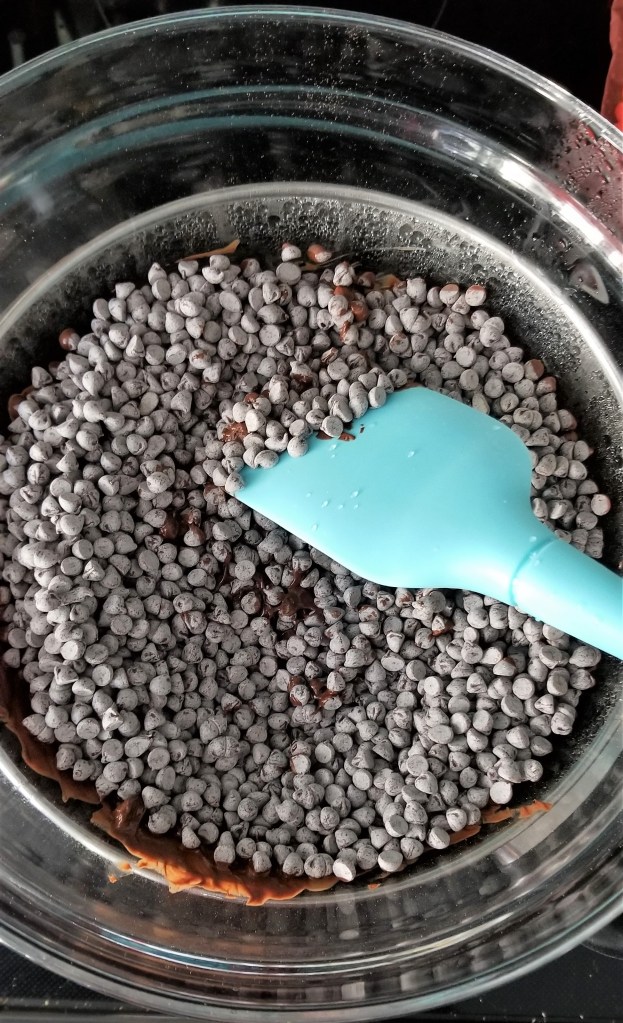
  • Seeding The method I will be using requires, again, heating the chocolate in the double boiler, then removing from the heat. Add in more of the same chocolate and stir until combined. It will melt in, just keep stirring until your arm hurts. Be patient and do not rush the process. Continue stirring (agitating) and check the temperature until 86-90 (dark or semi-sweet) or 84 (milk to white). This can vary depending on the brand. Spend the time to get to know the chocolate and pay more attention to what it looks like and how it feels once you learn what it should or should not look like.
Double boiler

The science behind tempering: The method I prefer is referred to as seeding. If you ever had to grow crystals in science class then this is finally a time when you can apply that knowledge. The chocolate you buy from the store was already tempered by the manufacture and shaped into the mold as you purchased it. When we melt the chocolate, we are dissolving the crystal structure of the cocoa butter that the manufacturer’s tempering built. The chocolate loses it’s structure and becomes a puddle. Then we remove it from the heat to build a new structure. However, we can cheat and look at the answers. The chocolate we purchased already had the structure we need. If we add part of that original store bought chocolate to our puddle, then the puddle will copy the code of the solid chocolate, seeding it. With the seed map to guide our puddle fellow, we are back on track to being beautifully tempered in a new physical shape.

This confirms that we can re-temper chocolate that has solidified by reheating it, destroying the crystal code and rebuilding it.

Noble Chocolate vs. Candy: We can only temper real chocolate. Candy “chocolate” (hydrogenated or fractionated) does not need to be tempered. Candy coatings are easier to work with, and are great for certain activities, but do not give us the same solidness, crisp break, or shiny shell. When purchasing chocolate, the important thing to remember is that a single brand can sell both candy and real chocolate in similar packaging. Be sure to check the ingredients to determine which you are buying. Real chocolate is made of cocoa liquor (cocoa mass), cocoa butter, and sugar. Soy lecithin is often added to keep chocolate chips from sticking together, but this does not ruin the chocolate. Be sure to note that cocoa butter is listed as an ingredient and that it does not mention vegetable fats.

Take-Home Tips: If you are worried about tempering for your first try, remember the environment you are in can impact your success. The bakers on the Great British Bake Off complain about their chocolate melting on hot days and there is a reason I am making chocolates in November and not July. Wait for a dry, cool day to try tempering. Also, polycarbonate molds (plastic) are preferable for your first batch of chocolates. This is my opinion because it is harder to ruin your batch when using them. If you use a silicone mold, you could remove the chocolate from the mold before it fully sets. While with a firm structure, the chocolate will not release until it is ready. For these, the white chocolate would take less time to firm than the dark chocolate and those came out of the mold with the first flip. The remaining chocolates let me know they needed more time to chill by not coming out of the mold, regardless of my banging insistence. Otherwise, it is really a preference of the options and costs. The shine and other attributes are not effected by the type of mold, even though some companies will try to convince you otherwise. Place a baking mat, sheet, or parchment paper under the mold and bowl of chocolate for easier clean up.

Scoring: 7 of 10. The flavors I chose for these particular chocolates were lack-luster. I will update with better flavors soon! I recommend using these techniques with your own fillings.

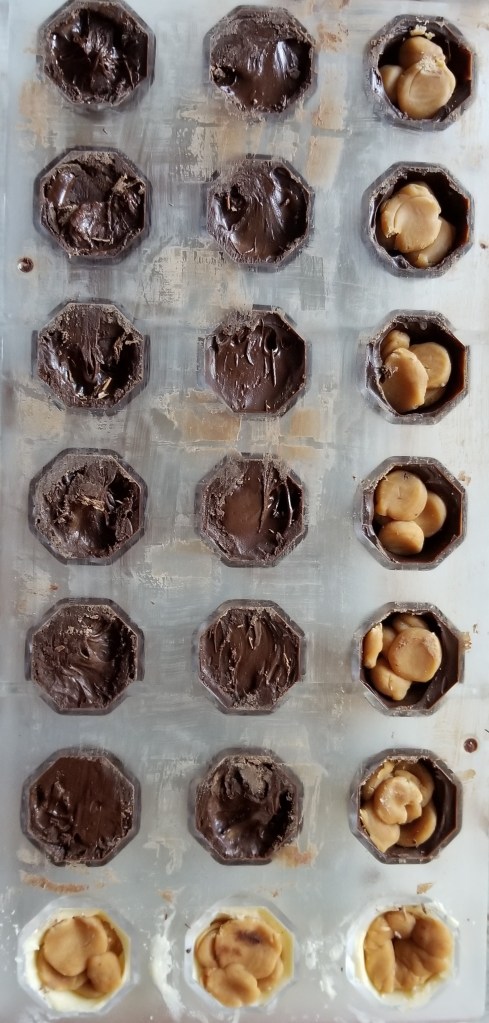
Filling

Instructions

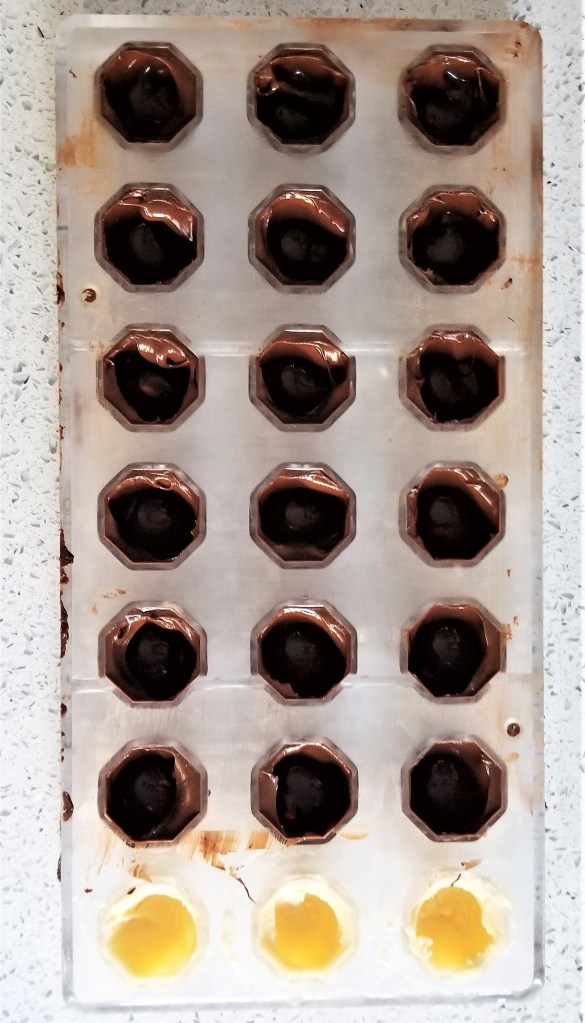
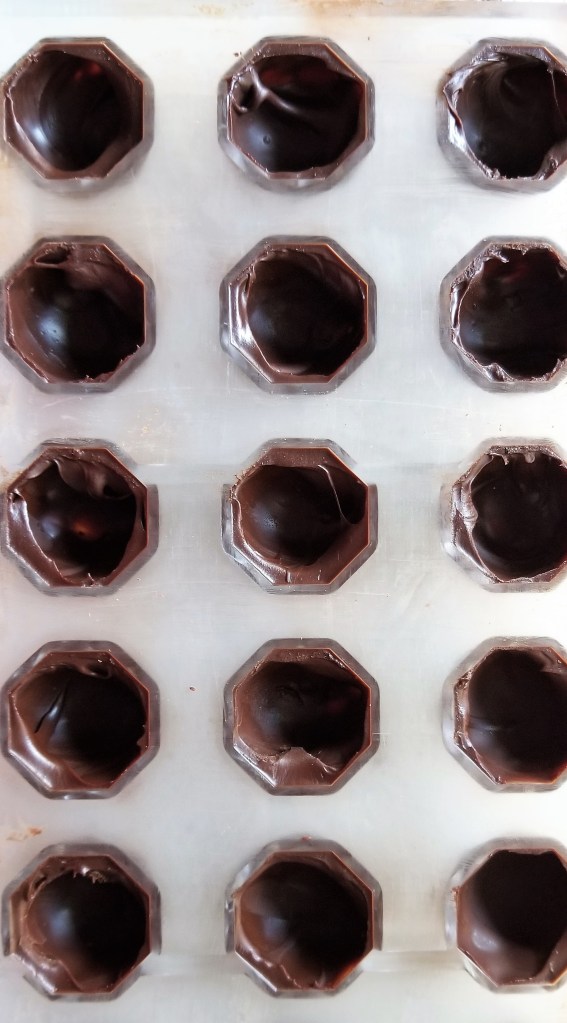
  • Temper semi-sweet chocolate in a double boiler until chocolate is between 86 and 90F. Pour over mold, completely filling the shapes, tilting the mold as necessary to do so, and use a bench scraper to remove excess chocolate from the top of the mold.
  • Chill in the fridge for 10 minutes or until hardened.
  • Fill in the mold with desired filling, about 3/4 of the way full, being sure to leave a small gap for the base of the chocolate.
  • Recover with the tempered chocolate and scrape off excess with a bench scraper, ensuring a flat and even base. Chill in fridge for 15-20 minutes. Remove mold from fridge and bang on the counter until chocolates come out. They might need twisting of the mold, similar to removing ice from a tray. If they do not remove with some amount of effort, then return to the fridge and try again after 5 more minutes. Repeat until they pop out.
  • Cover any left over tempered chocolate and re-temper to use again.

Chocolate #1: Apricot Thumbprint Chocolate Cookies

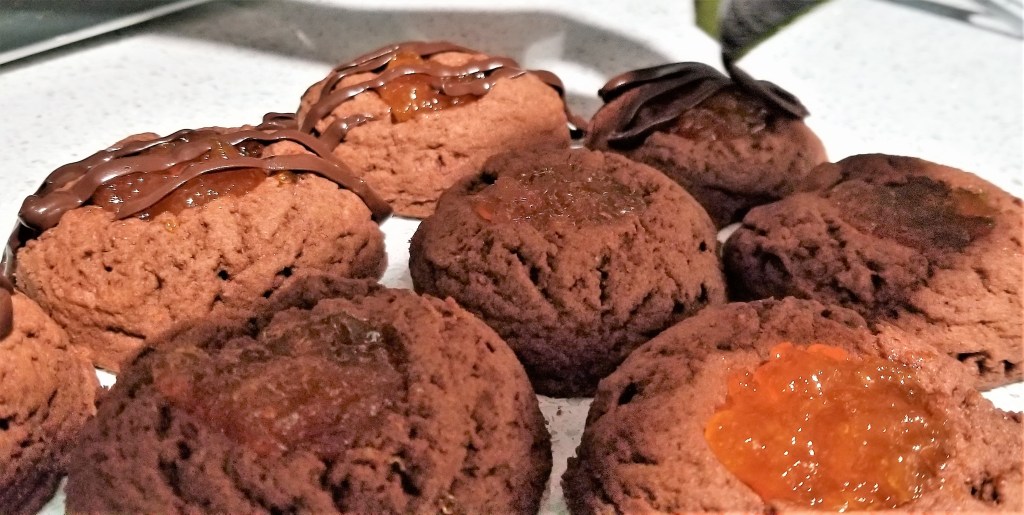
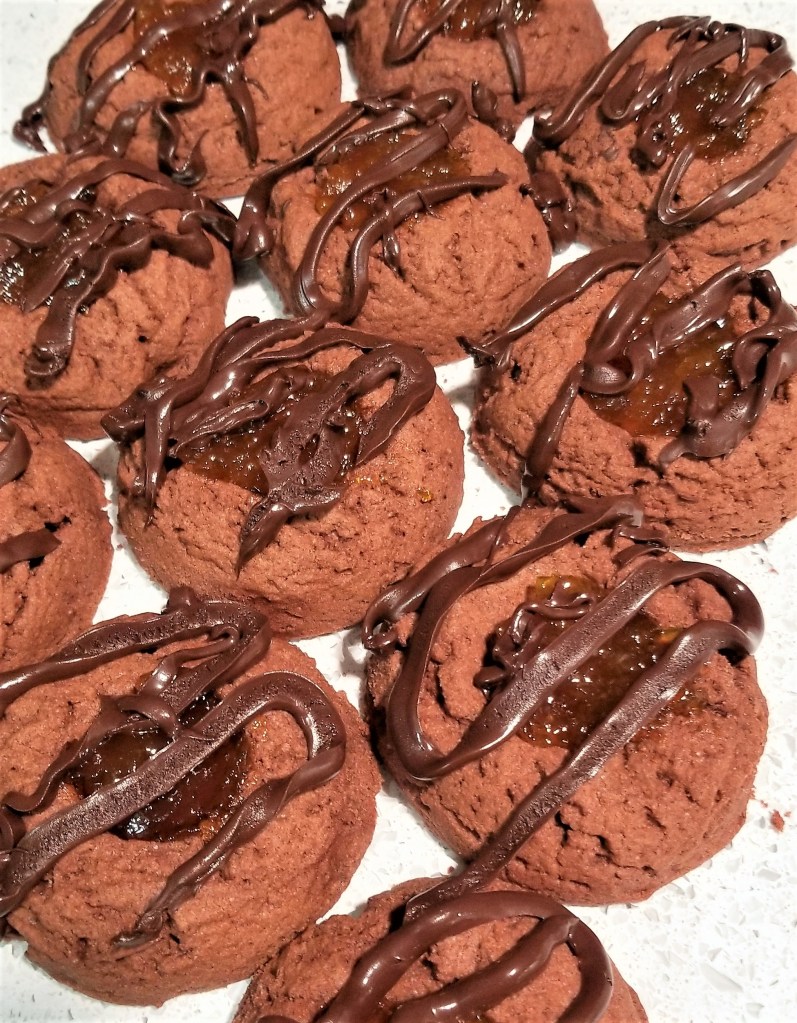
Sometimes there are so many key flavors in a dish that it can be challenging to accurately and concisely name them. These sacher torte cookies go one step further. Yes, I could have made simple chocolate chip cookies, but the world does not need another chocolate chip cookie recipe. What the world needs, in my insignificant opinion, are chocolate cookies with a dimple in the middle to store jelly, with more chocolate on top, oh and did I mention they are peppermint chocolate sacher torte cookies? No, there was no room for that long but delightful word.

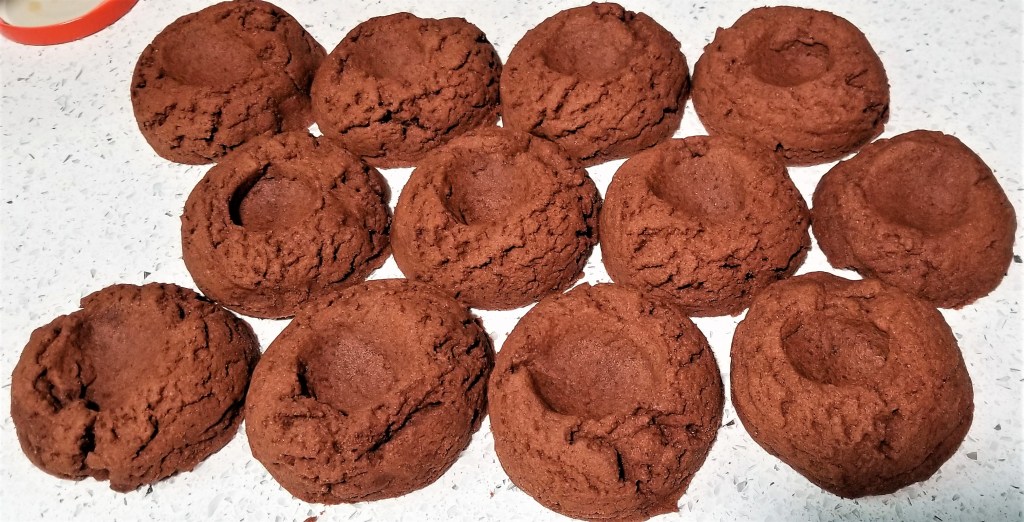
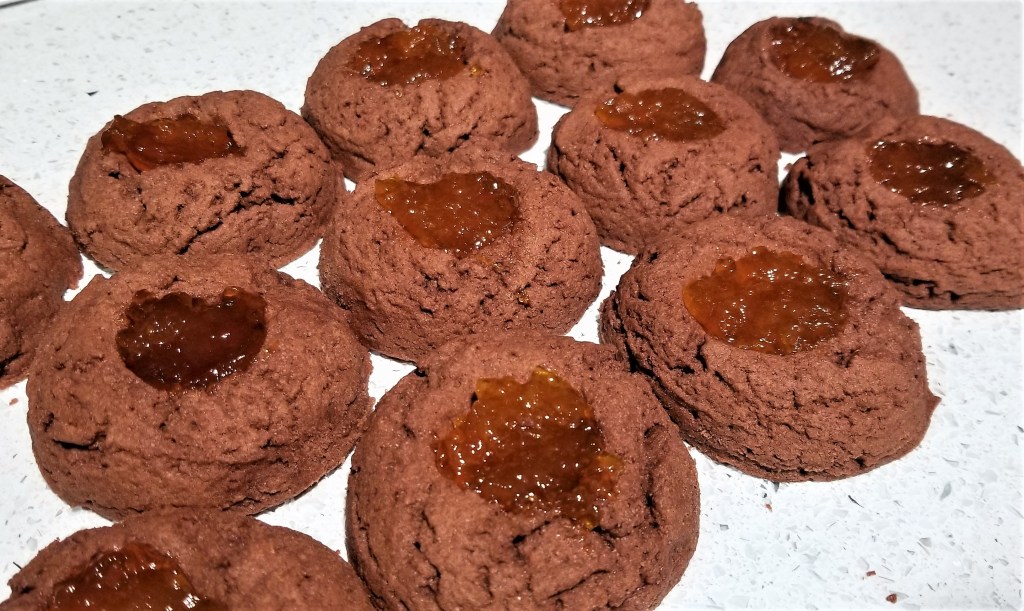
Right, so the cookie dough itself is peppermint and chocolate. You could stop there with this wintry treat. Or you could kick it up. Refuse to be boring! The thumbprint shape allows room for an additional flavor in the middle without injecting a biscuit. On top is definitely easier than inside. Then we emphasize the chocolate and bring it all together with a couple of stripes of chocolate holding the jelly in the pothole.

The texture of this cookie is unique. I have never had anything like it. Honestly, it reminded me of chalk at first. It is sort of a chalky texture in that it is dry, unlike a gooey chocolate chip, but it is still soft and does not have a crunch. At first I was unsure about them, but I still craved another. Usually I insist on milk with my cookies; regardless of the type. With these, it really did not add value or change the consistency. Although I describe them as “chalky”, they are not dry and with the apricot in the middle, the milk is not necessary.

I hope you give these a shot, because they are certainly unique in texture, and equally appealing in appearance and flavor. The chocolate is subtle, the apricot is well balanced, though my husband claimed it could use a wider divot and more apricot in each bite. The tongue is left with a soft but fresh peppermint after taste that sneaks up on you in a pleasant sort of way.

In order to test how long they would last before expiring, I kept one for 10 days (sorry I could not wait any longer) in a sealed container and it was just as fresh as the first day. I think they would last up to three weeks, longer in the freezer.

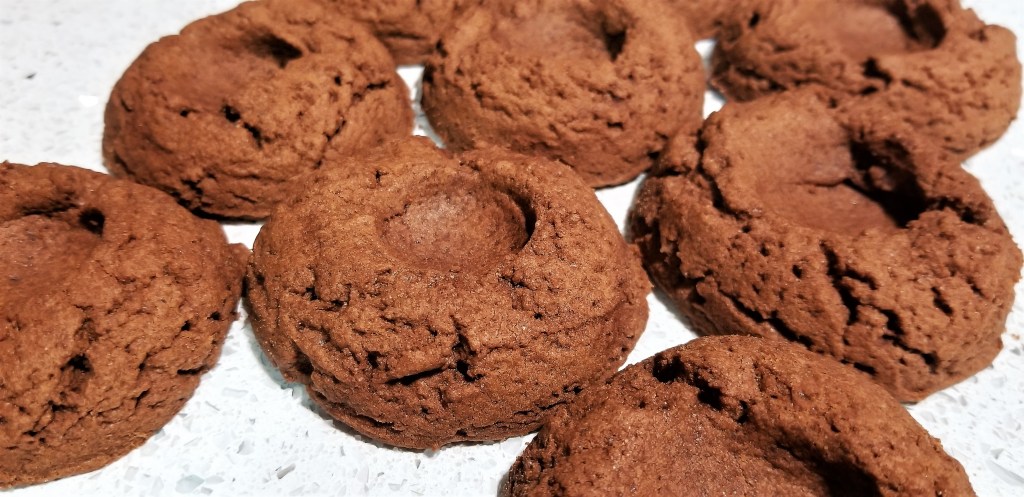
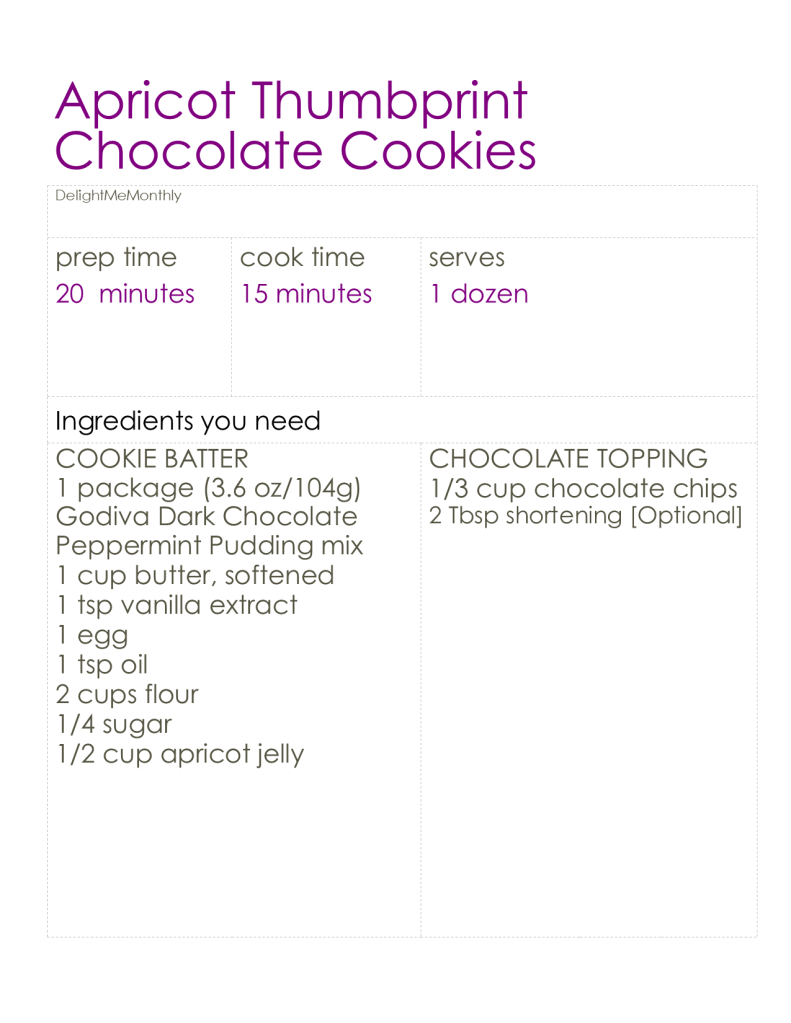
Take-Home Tips: To make the thumbprint hole in the middle, you are better off not actually using your thumb. We used the back of a teaspoon, but any similar small, round solid would work better to make that shape than your thumb. This is especially true if you have long nails. If you want to use your thumb, choose horizontal and add more jelly. Of course you could use grape, strawberry, or whatever jelly you are trying to get out of your fridge. The possibilities are endless for a Smörgåsbord of jelly thumbprint cookies. I would however, recommend the apricot or strawberry for the chocolate cookie. If you are not a peppermint fan, regular pudding with almond or just vanilla extract would be good substitutes in the cookie.

Scoring: 8 of 10. The flavors are really good together, it is appealing to look at, and they are robust. There is some debate on whether they need the milk because they are dryer than a regular cookie. However, after eating the one remaining fellow this week, I was pleasantly surprised I did not crave the milk as the jelly offered a complimentary moisture.

“Novembers” | “Chocolate” = Same Thing

It took a little cheating, by making November plural, before Chocolate and November(s) had the same number of letters. Should I have tried any other languages?

Spanish? Chocolate | Noviembre = Success!

German? Schokolade | November = Nope.

French? Chocolat | Novembre = Success!

Italian? Cioccolato | Novembre = Nope.

Aztec? Xocolatl | … = N/A.

That’s all I can think of off the top of my head. Enough of that.
In order to prepare for Christmas and family birthdays in December, I needed to start practicing my chocolate skills in November. Dark chocolate, more so than white chocolate, opens a world of possibilities for chocolatiers – crafters of chocolate. Considering that we want that cocoa content in our chocolate art, dark chocolate is the way to go. Our caffeine-free friend – white chocolate – is made of milk, sugar, and cocoa butter. Meanwhile dark chocolate and the other chocolates in between contain sugar, cocoa butter, and cocoa solids. This means dark chocolate has the components of cocoa beans, aka actual chocolate.
cocoa butter + cocoa solids = cocoa beans

Cocoa butter is 50% to 57% of the weight of cocoa beans and gives chocolate its characteristic melting properties. 

The Weight of the Fox Valley

This morning I discussed with my grandmother the difference between cacao and cocoa and think it would be appropriate to recap here. In short: cocoa is made from cacao. The Theobroma (“Food of the Gods”) plant is what we know as the cacao bean tree. I admire the temperament of this tree. As you can see in the graphic below, the cacao pods grow out of the branch and trunk – how resourceful! In addition, it does not seem to mind if the plantations keep it short or let it grow fully (~50 feet), it is not picky about the soil, prefers the shade, can be harvested all year long, and gets along with the bugs who enjoy living on it.

NXDL

The naming convention is up to some interpretation, which adds to the confusion of cocoa vs. cacao. Does the cacao bean have to be processed in order to be called the cocoa bean? Is the bean inside the pod already called the cocoa bean? Is what you do with the cacao plant how the nomenclature is determined? There are possibly strong opinions on the matter. So far I have found that cacao refers to the plant itself and the products made from the non-roasted seeds, while cocoa products are made from roasting its seeds.

A standard 100g 70% Chocolate bar contains 80 to 85 beans, or the seeds from about one and a half Cacao Fruit. A standard 30g 10% milk-chocolate-candy bar (such as Hersheys®) contains 6 Cacao Beans, or about 10% of a pod.

Xocoatl

Check the ingredients listing when buying chocolate so you do not accidentally purchase imitation chocolate. If it does not have cocoa butter listed explicitly (rather than cheaper fats) then it cannot possibly be considered chocolate and will not work for our purposes. We need to be able to change the chemical make up of the chocolate, and can only hope to succeed with real chocolate. Hey, that’s just chemistry, sorry.

Note, if you happen to be one of those souls who cares about slave-labor and the environment, organic / free-trade chocolate is something you should look out for when purchasing.

We want chocolate that “melts in your mouth”, indicating it is real chocolate. White chocolate is not chocolate because it does not contain cocoa solids but people just call it chocolate any way, so the FDA finally gave up and said “okay let’s just call it white chocolate then.” Compound chocolate, imitation or fake chocolate, is not evil, but does not contain cocoa butter and is therefore unable to be tempered. We want to be able to temper our chocolate in order to change the chemical structure and manipulate and re-solidify it. Compound chocolate has its uses, but we will not focus on them here.

Get ready to become a tempering expert and novice chocolatier!

Design a site like this with WordPress.com
Get started