Packages #2: Evaporated Milk

As much as I am sick of discussing the elephant in the room, I will get it out of the way and explain that this month has been derailed by all the distractions of Covid-19. My aspirations for producing various package recipes has felt irresponsible considering the shortages, limitations, and anxiety at the grocery store. Finally, the initial shock and changes have mellowed and I was motivated to give it a go.
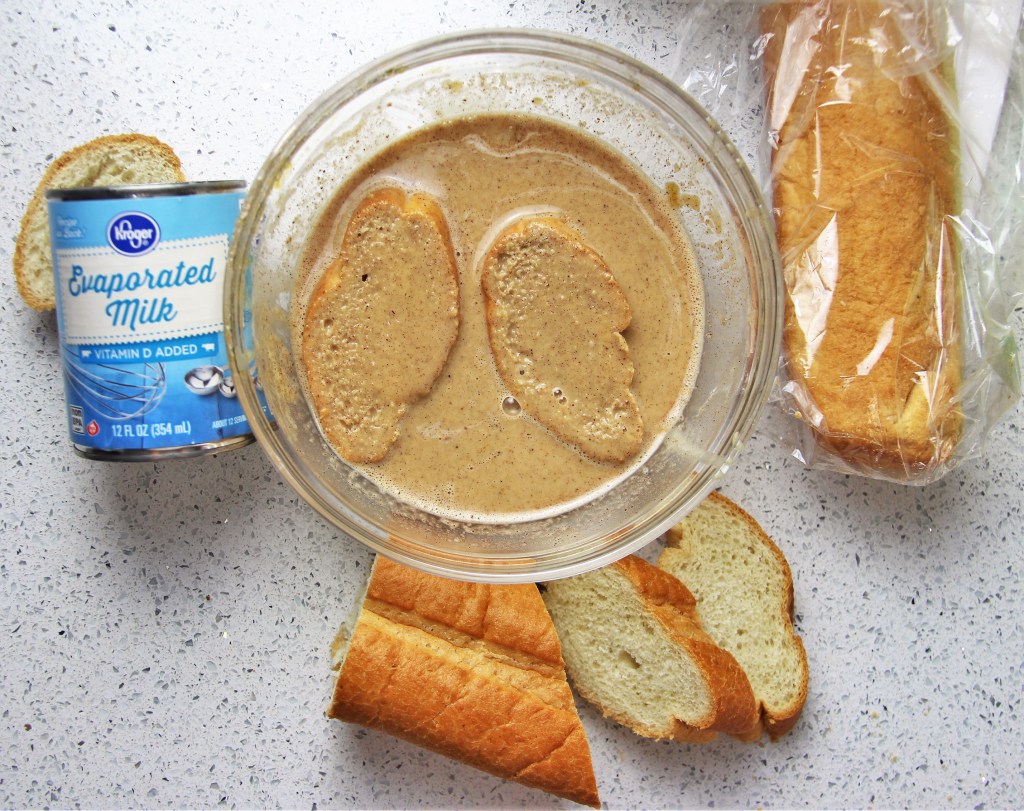
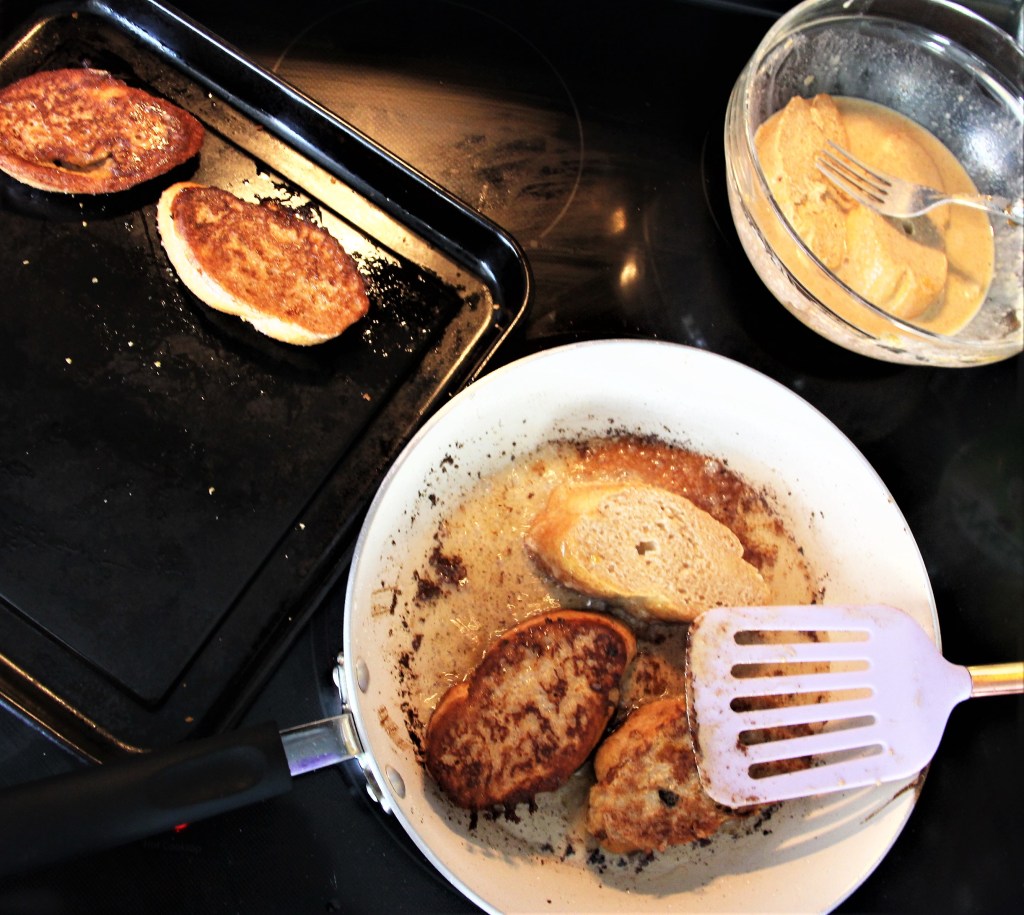
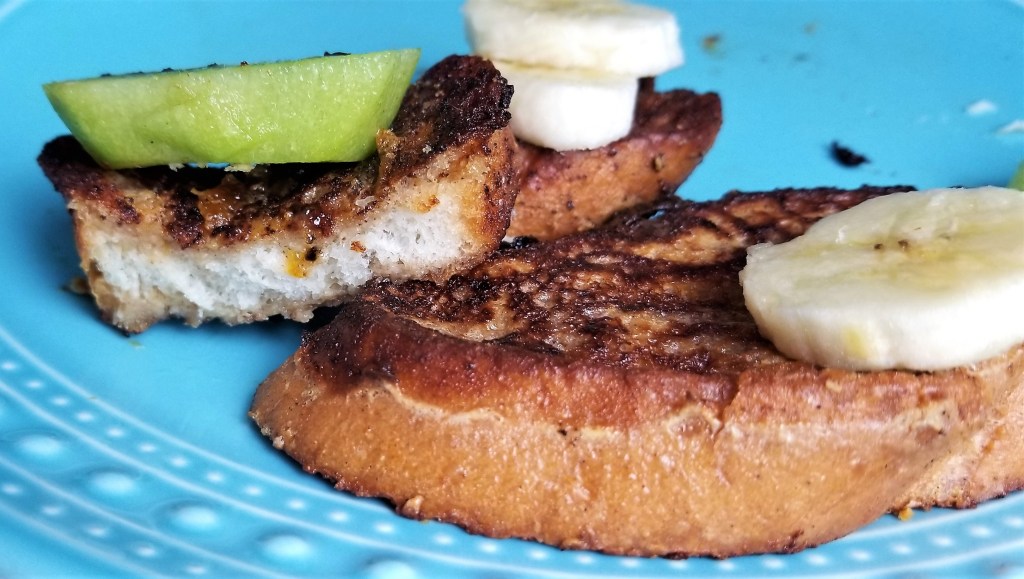
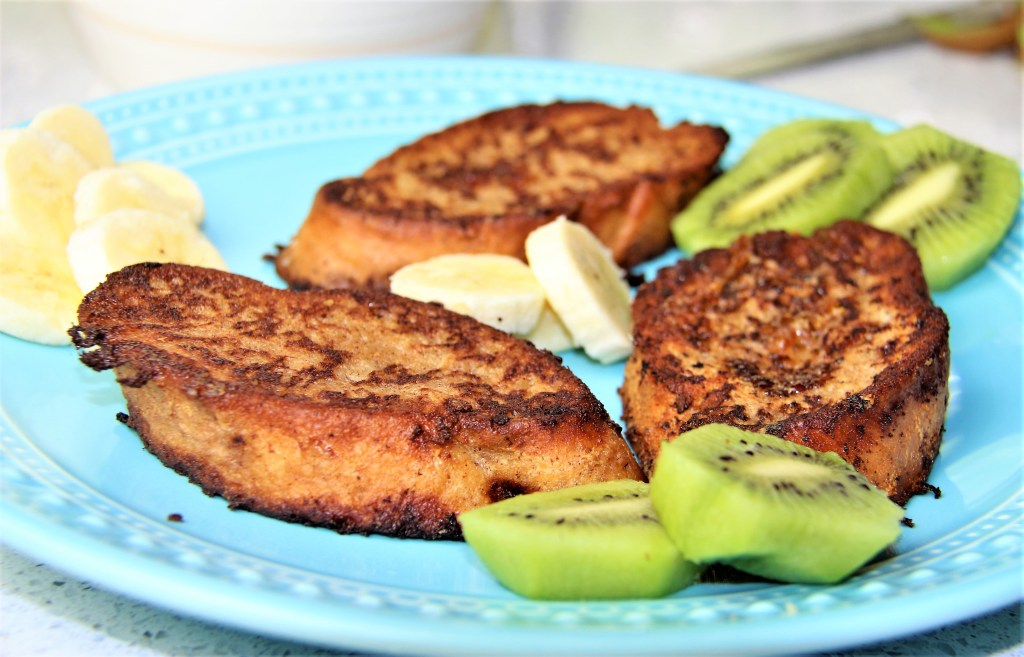
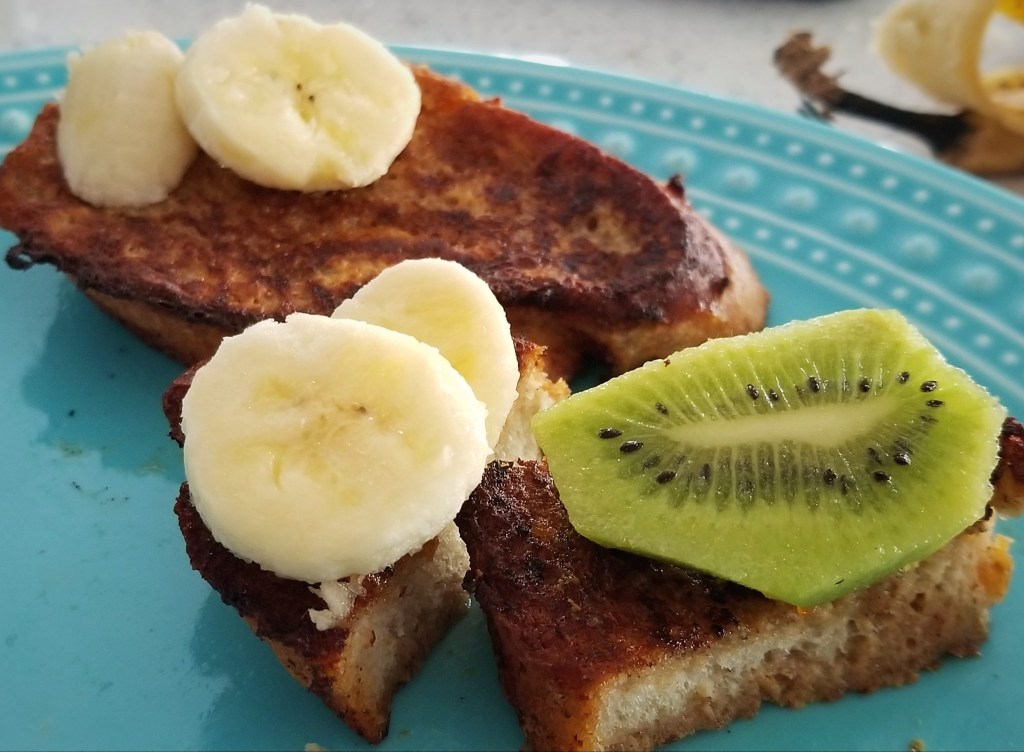
I happened to have all the ingredients in my pantry for Cuban French Toast, curtsy of Kroger’s can of evaporated milk.
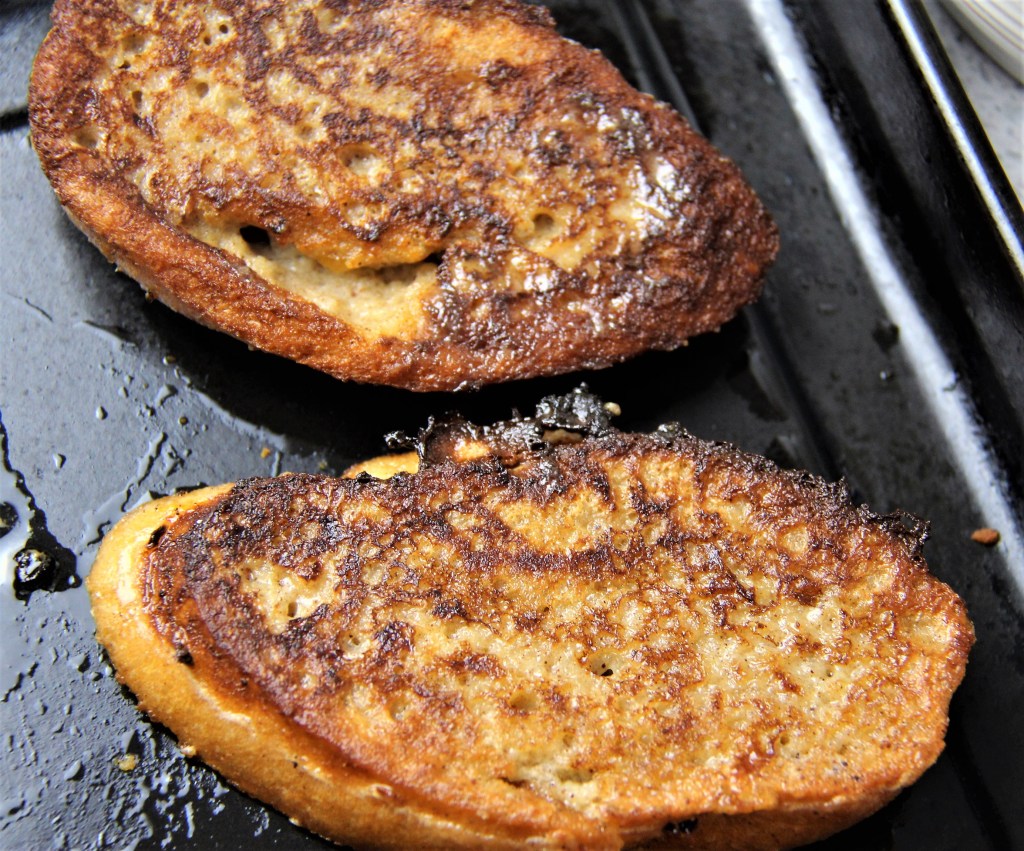
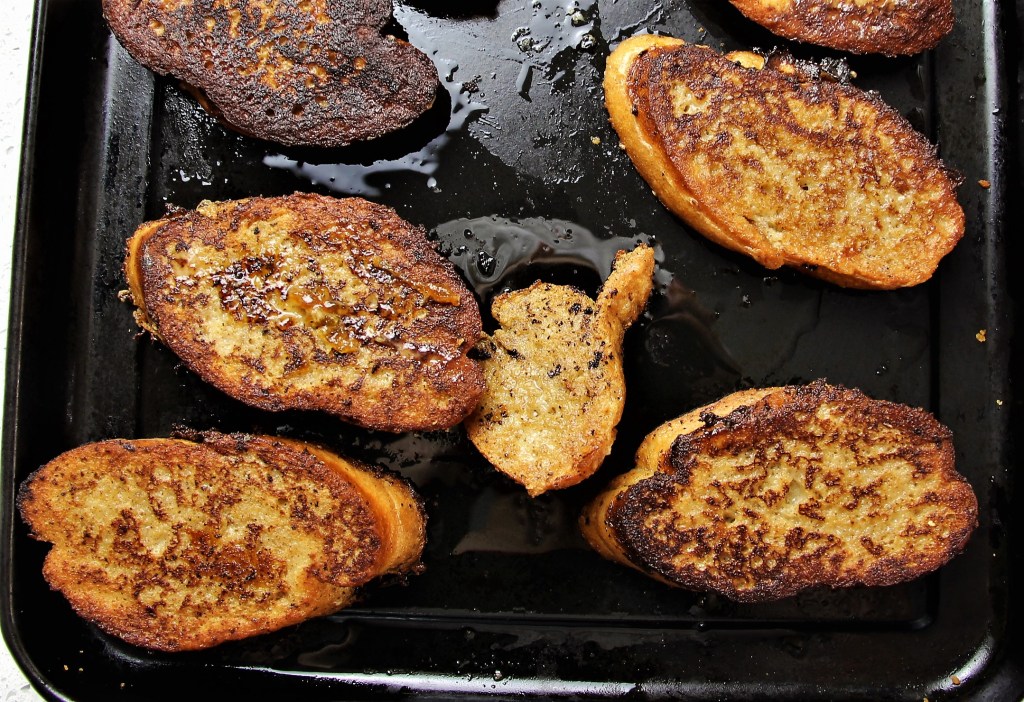
The soaking of bread in eggs, never appealed to me as a child, and honestly is not on my list of approved breakfast foods as an adult. However, this recipe was actually worth trying. I, of course, made some minor modifications in my production, to reduce the sugar and overall portion size. Feel free to follow the full recipe, included below, for the full power of the sugar.
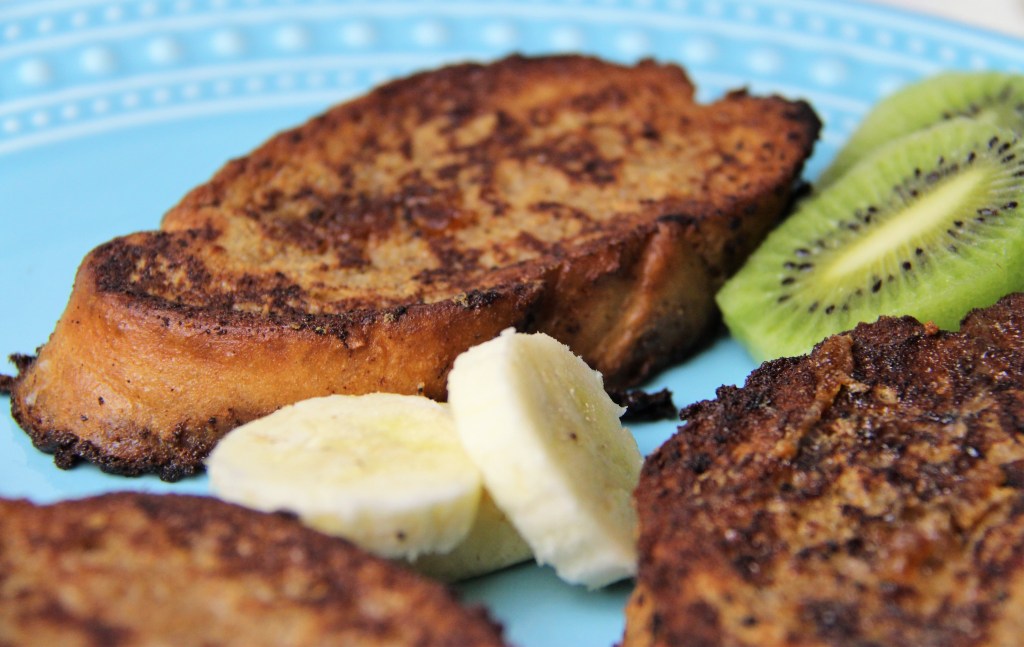
Take-Home Tips: The recipe calls for orange marmalade, and I would recommend switching the marmalade for jelly or waiting to add the marmalade to the finished product. A homemade jelly where you are able to puree the fruit and remove any seeds would be an ideal alternative, if you have the time. If the goal here was to flavor the bread, the marmalade was too thick, chunky to soak into the bread. To really get the essence of the fruit in the bread, a liquid would work better. I did not have and orange marmalade and instead used apricot preserves, but any citrus or lightly colored jelly would work. Also, be careful when flipping the bread in the skillet; the hot oil will splatter and can burn. Keep children away from the stove during this step.
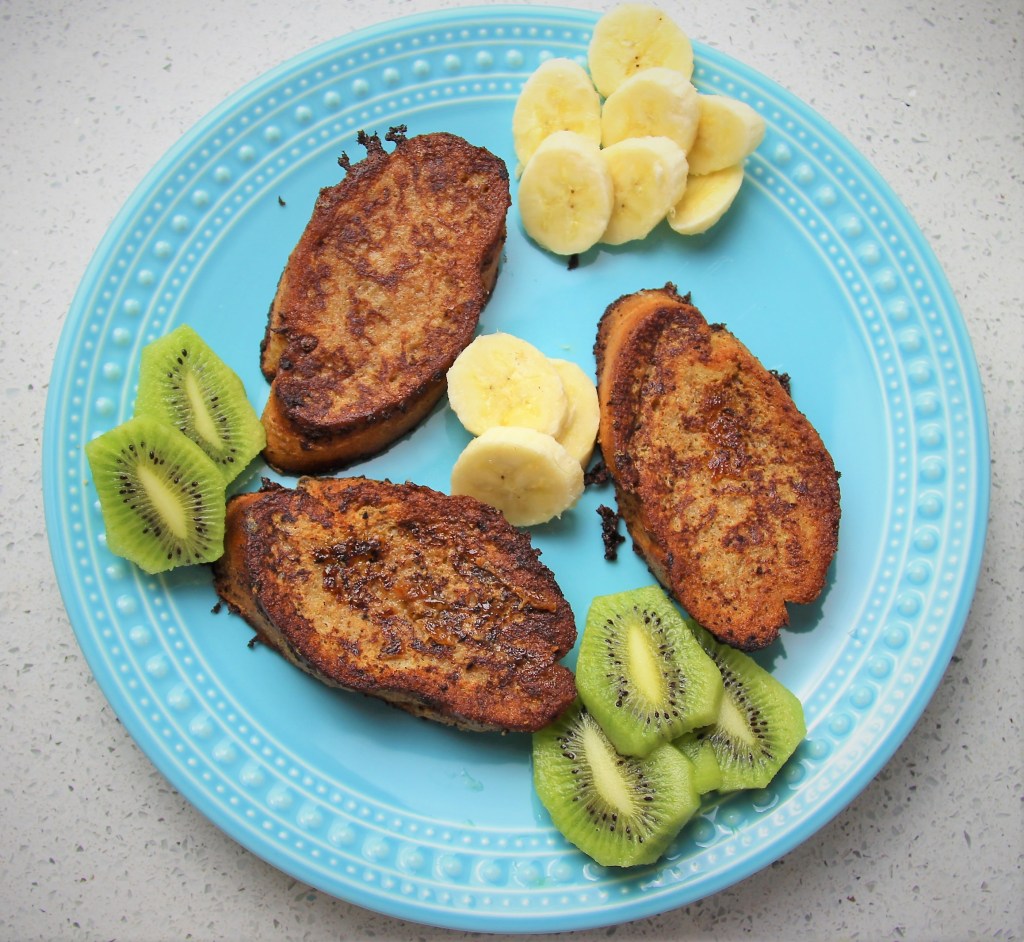
Do they look like pork chops to you?

Scoring: 9 of 10. My husband and I both dislike how eggy french toast can be, and only used 2 eggs in this recipe. We were both pleased with the balance of the toasted bread to the softer inside, a result of less egg and frying the bread the full 2 minutes on each side (keeping at medium heat the whole time). The size of the Cuban bread was perfect; I would not want the bread any bigger. Top with maple syrup, agave, condensed milk, chocolate chips, or more sensibly (opinion or fact?) just delicious fruit.

Original Recipe
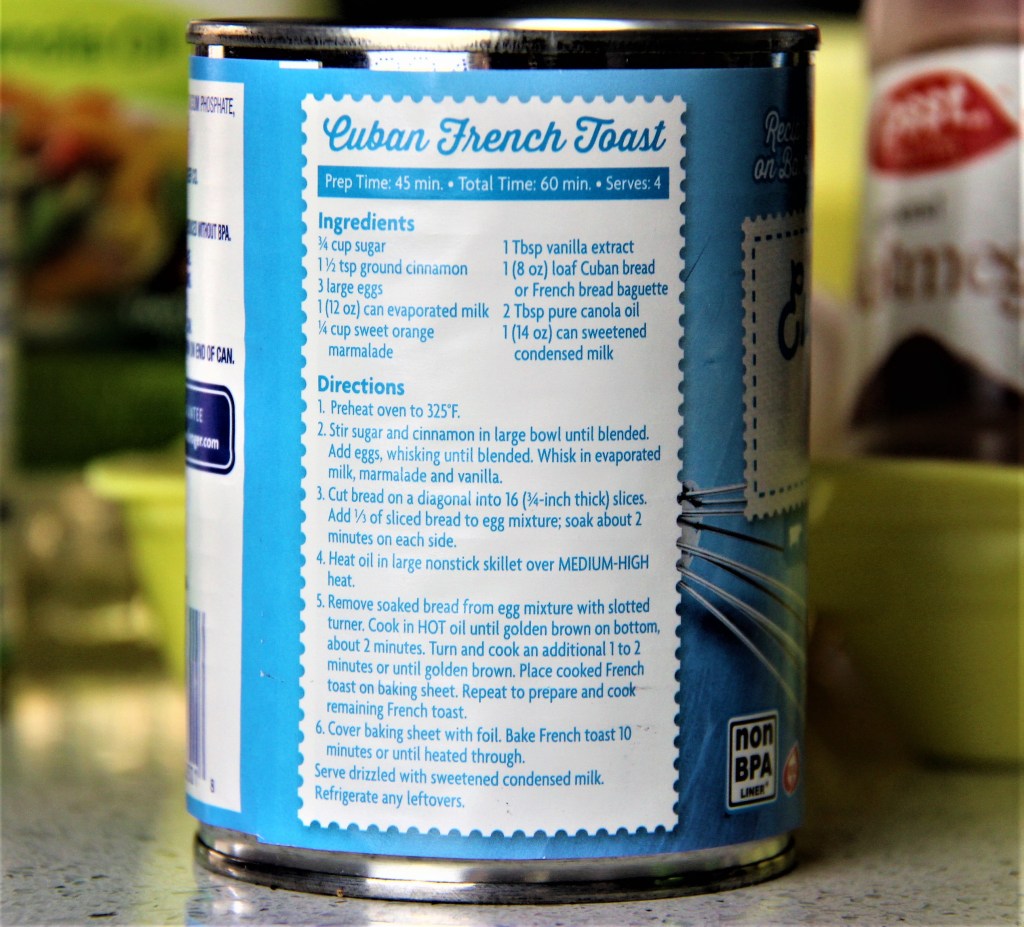
Modified Recipe

Ingredients

  • 2 Tbsp. sugar
  • 2 tsp cinnamon, 1/2 tsp nutmeg, 1/4 tsp cardamom, 1/4 tsp ginger
  • 2 eggs
  • 9 oz. (3/4 can) evaporated milk (refrigerate remaining)
  • 1/8 cup fruit jelly (any light fruit such as apricot, orange, apple, or pear)
  • 1 splash vanilla (1 tsp)
  • Dash of salt
  • 5 oz Cuban bread (or any hearty white loaf)
  • 4 Tbsp canola oil, for frying
  • Topping such as fruit, syrup, cinnamon-sugar butter [Optional]

Instructions

  1. Stir sugar and spices in a medium bowl and whisk in eggs. Then, whisk in milk, jelly, vanilla, and salt until smooth.
  2. Cut loaf diagonally into 8 slices, 1/2in to 3/4in thick. Soak each slice for a couple of minutes on each side.
  3. Preheat the oven or toaster oven to 325F. Heat the oil in a medium to small skillet to medium-high heat, then reduce to medium heat.
  4. Place each slice from the egg mixture to the skillet, carefully, straining off as much egg liquid as possible before transferring to the skillet. Fry each side for 2 minutes, or until browned. Then remove to a baking sheet (no need to oil or line baking pan). Continue until all slices have been soaked and fried.
  5. Once preheated, heat french toast in the oven until warmed through (10 minutes in the oven or 6 minutes in the toaster oven).
  6. Top as desired and enjoy. Store left overs without topping and reheat by toasting in the toaster oven or (without oil) toasting in a frying pan on low heat.

Stay healthy and be of good cheer!

Packages #1: Spam (Lite)

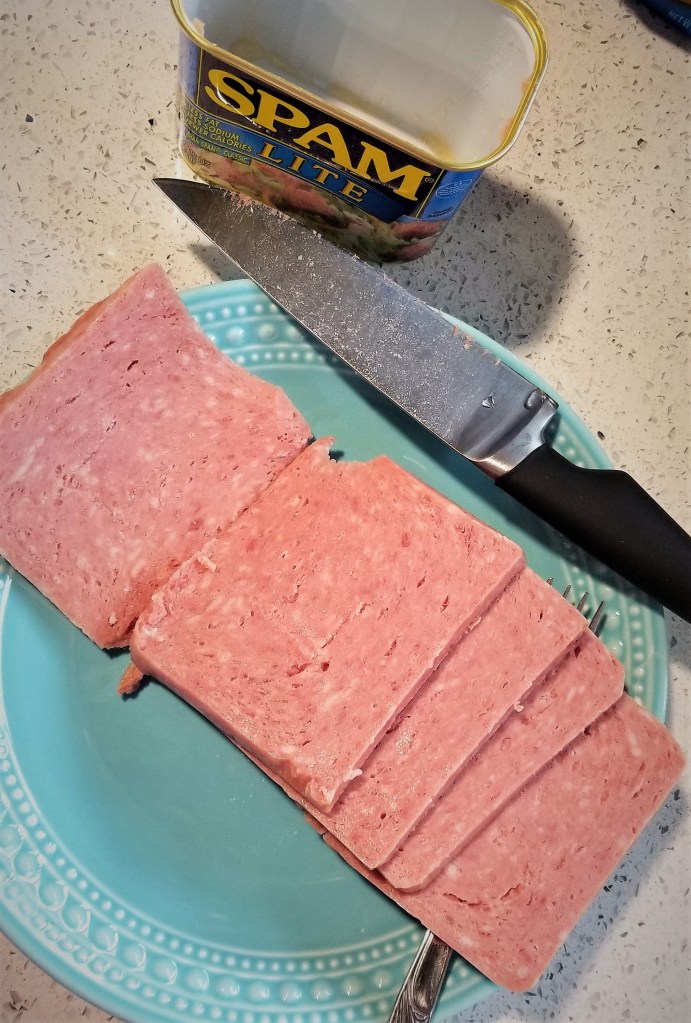
My first experience with Spam was postponed until adulthood. I’ve been curious about it for years, with skepticism and the typical hearsay holding me back from pursuing my interests. Alas, the day as finally come to try this pink meat.
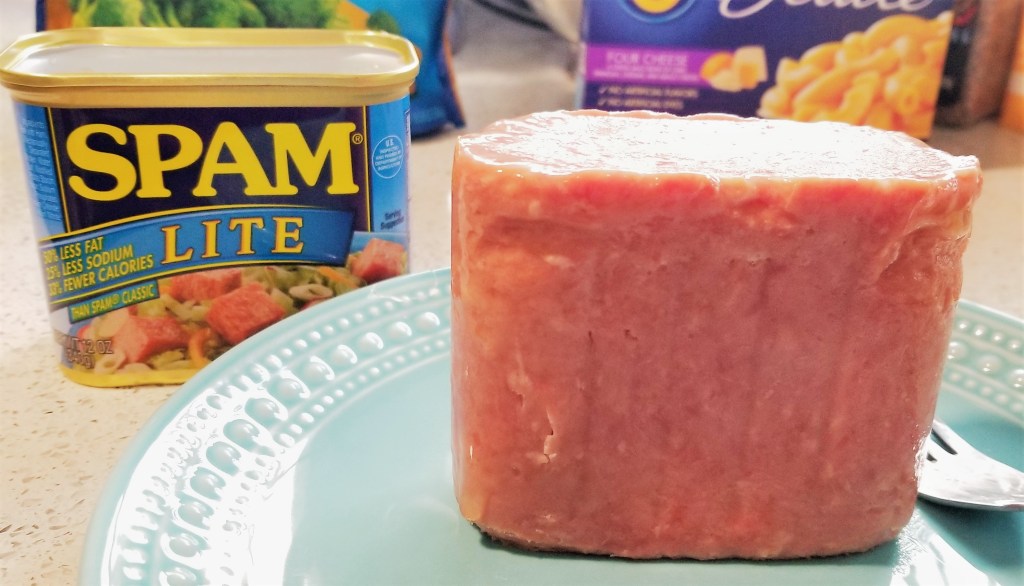
As soon as I opened the can, I was already disappointed. My aspirations to share a positive attitude about Spam were immediately dampened. With a heavy sigh, I peeled the lid off and set it aside to contemplate the container-shaped “fully cooked, ready to eat-cold or hot” pork with ham (and chicken). Unfortunately it smelled like tuna or canned chicken.

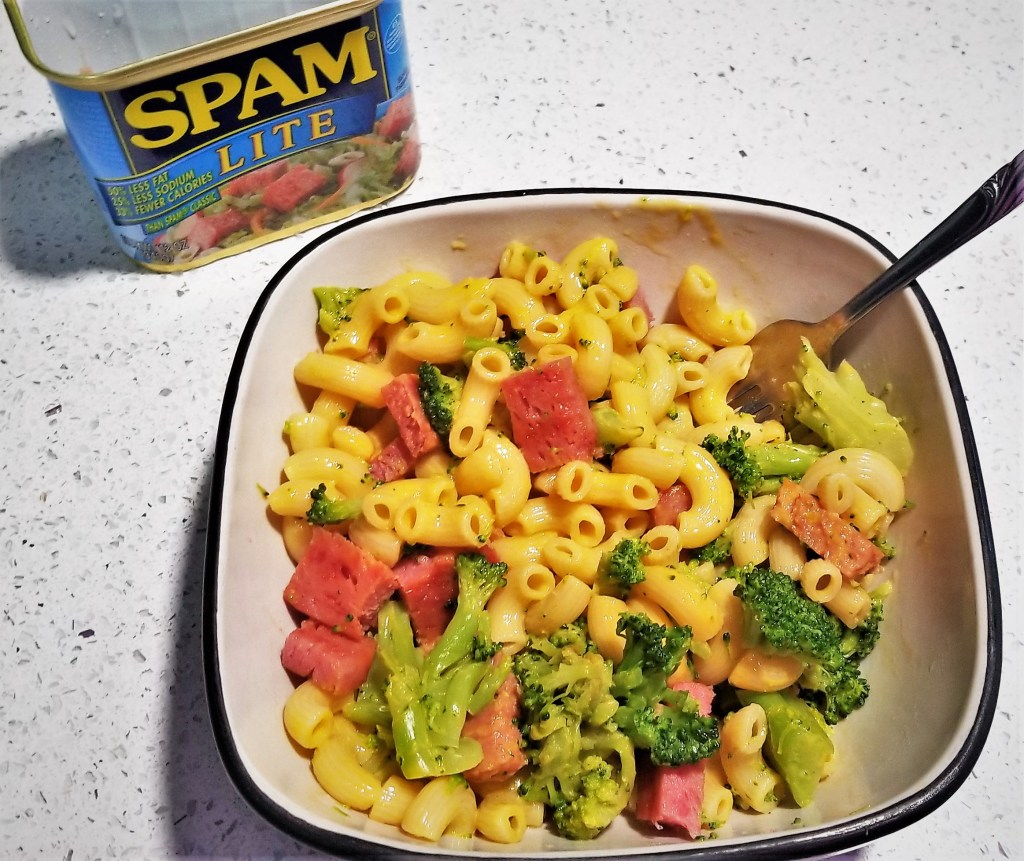
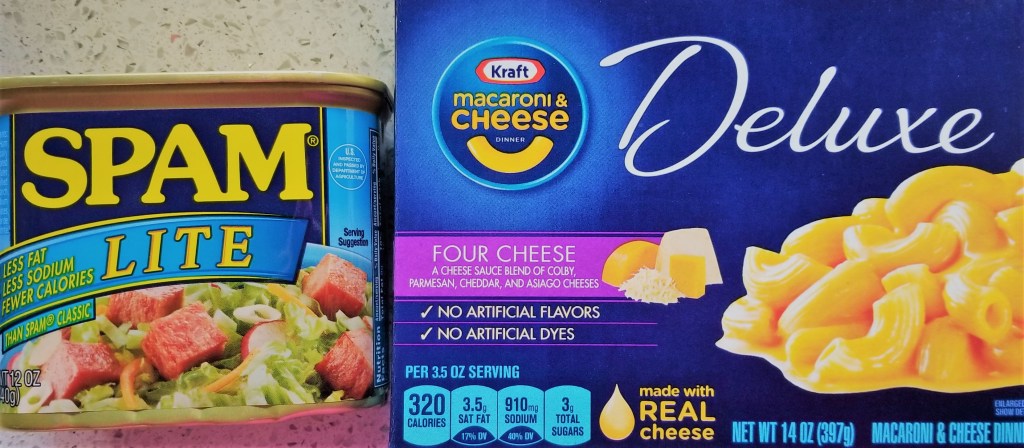
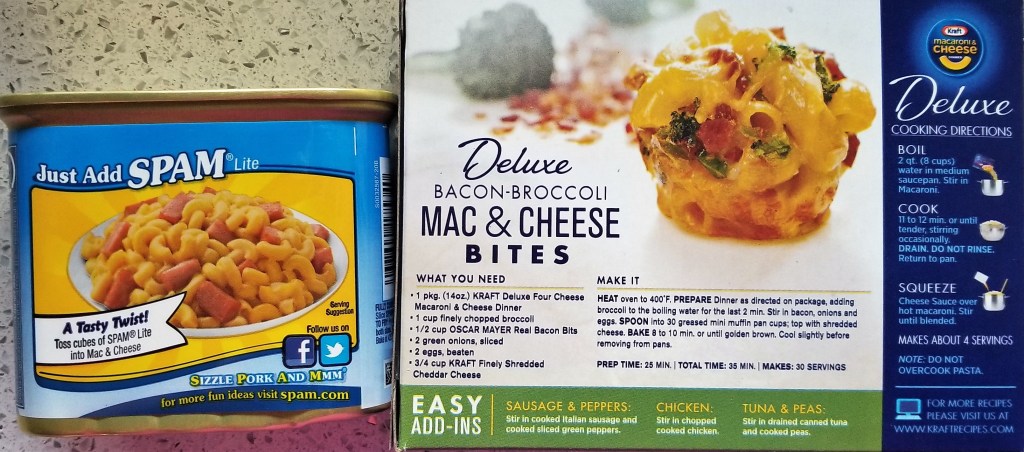
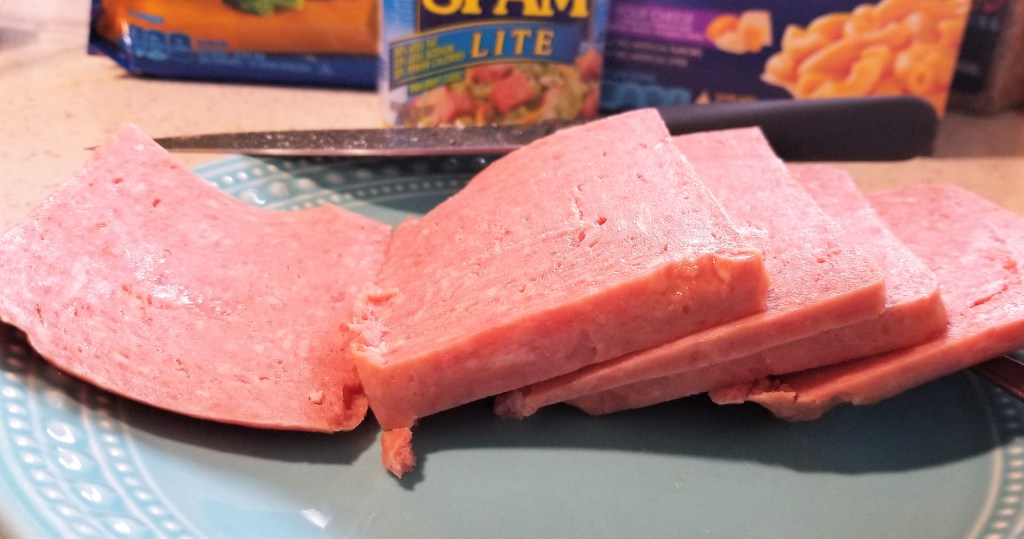
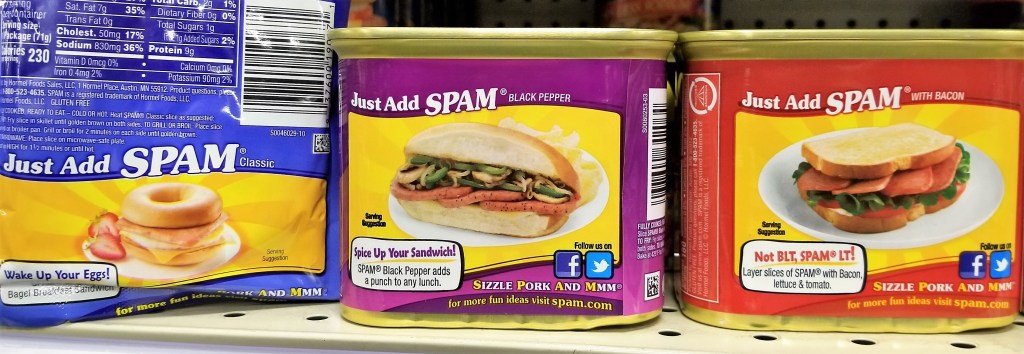
Well, into the pan it went! It warmed up, and was cut into chunks for the recipe on the Spam lite package. All of the Spam types (more than I anticipated) had different recipes on the backs. I specifically was interested in the mac n cheese version, which landed me with Spam lite.

Take-Home Tips: Don’t let spam fool you. It is not a desirable dinner, mostly due to the smell. The taste was not as bad as the smell. Definitely make sure you grill or pan fry the spam slices enthusiastically. They need to be crispy.

Many more Spam options to try.

Scoring: 3 of 10. The macaroni would have been more enjoyable without the spam, but it did add more texture and protein to the mix. It would pair well with many different vegetables (e.g. broccoli, carrots, peas, spinach, etc).

Instructions:

  1. Prepare macaroni dinner according to package directions (or personal experience).
  2. Grill or pan fry sliced Spam in a skillet without oil, for about 5 minutes on each side, or until crispy and brown.
  3. Cube Spam and add to prepared macaroni, along with vegetable of choice for a more balanced meal.

March is for Package Recipes

Often times we purchase unusual ingredients for a specific recipe and either never use it again or it expires before we get the opportunity. Rarely, do I notice and make the suggested recipe on the package of the ingredient. This is a reminder that there are a plethora of recipes available around us at any given moment. A cookbook is a staple in most kitchens, but for anyone who purchases pre-made, packaged, or processed foods probably has a kitchens worth of recipes at their fingertips.

This March we will select some of the more unusual packaged recipes and discover what we have been missing all these years. There are some ingredients we have been meaning to use for a while now that have inspirational recipes pasted on the back of the bottle. There are others we are very curious to see if they are worth purchasing the product.

What do the manufactures suggest we do with their product? I am interested to see how this turns out. Wish me luck!

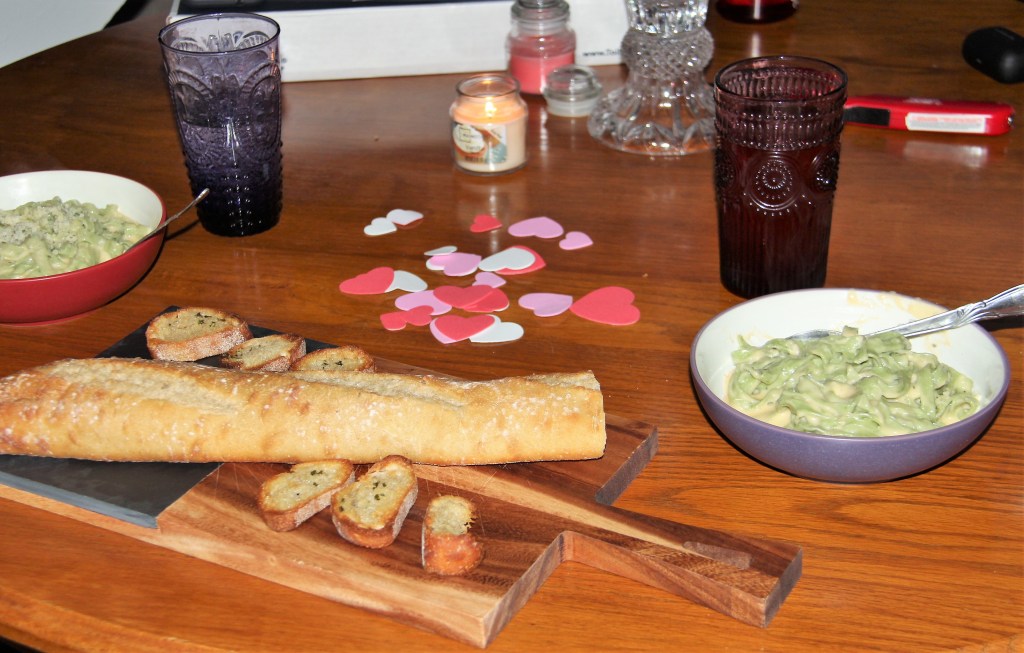
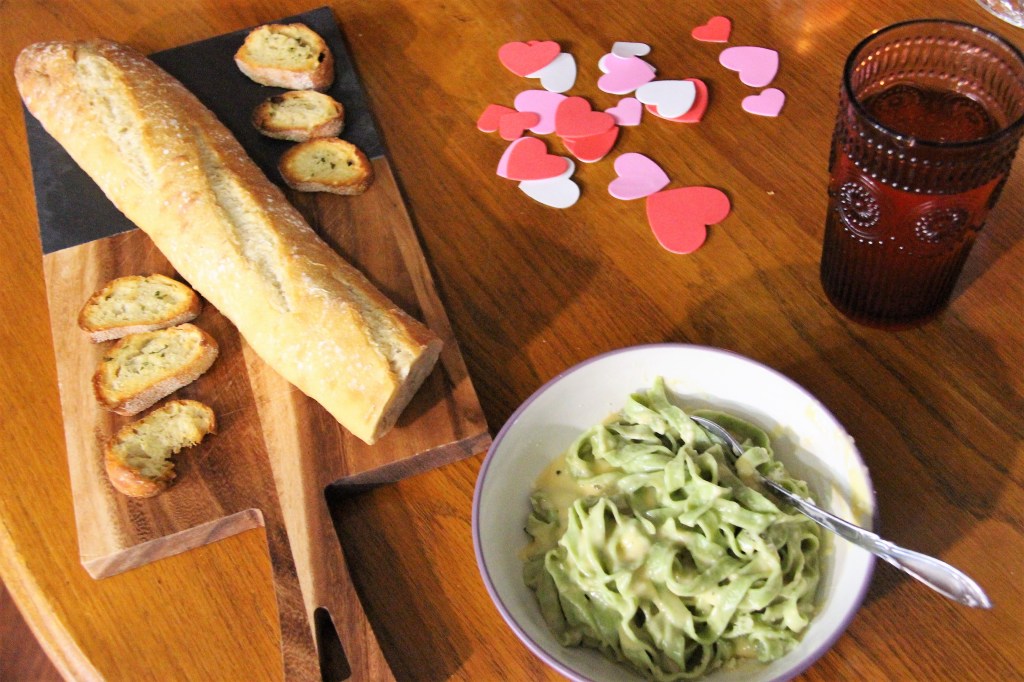
Italian #4: String Pasta (Fettuccine)

Happy Leap-day from my family to yours!

This is always a crazy day in my life. Usually the 29th of February is full of unfortunate or dramatic events. On the last leap day, I learned that my job was disappearing. It ended up being a blessing that now gives me reason to be grateful. Of course I did not feel very comforted at the time, and was nervous for my future. This was my first full time position post-graduation and I was lost for what to do next.

Thankfully, four years later, I can see the light and what a positive change that frightening day brought me.

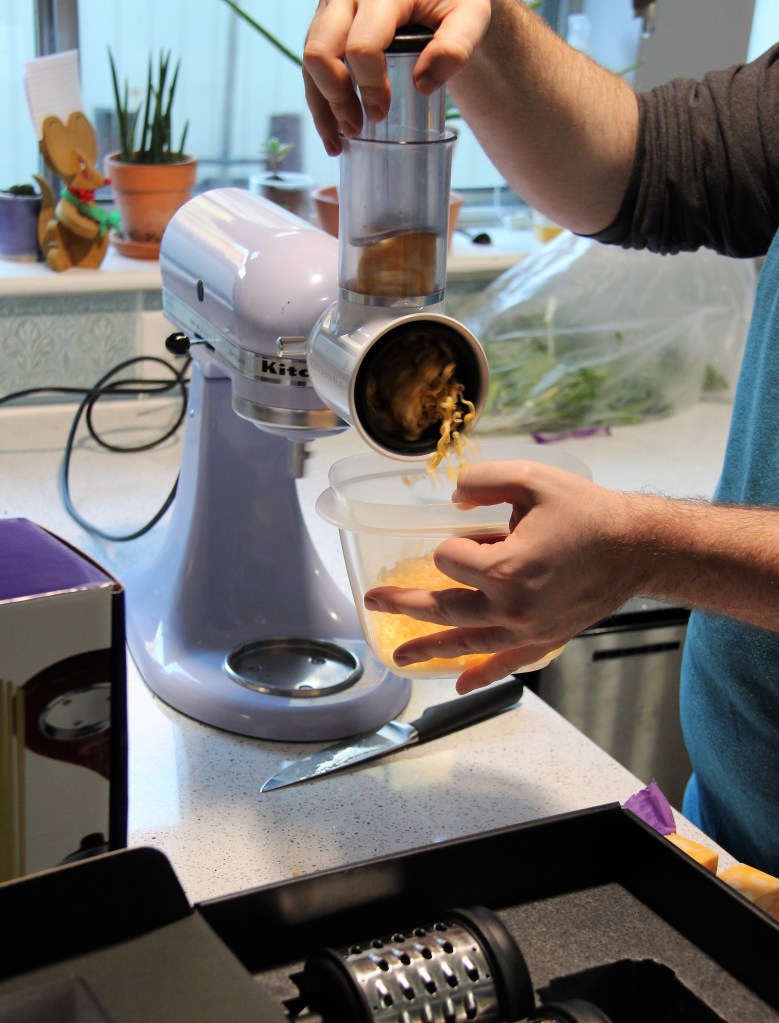
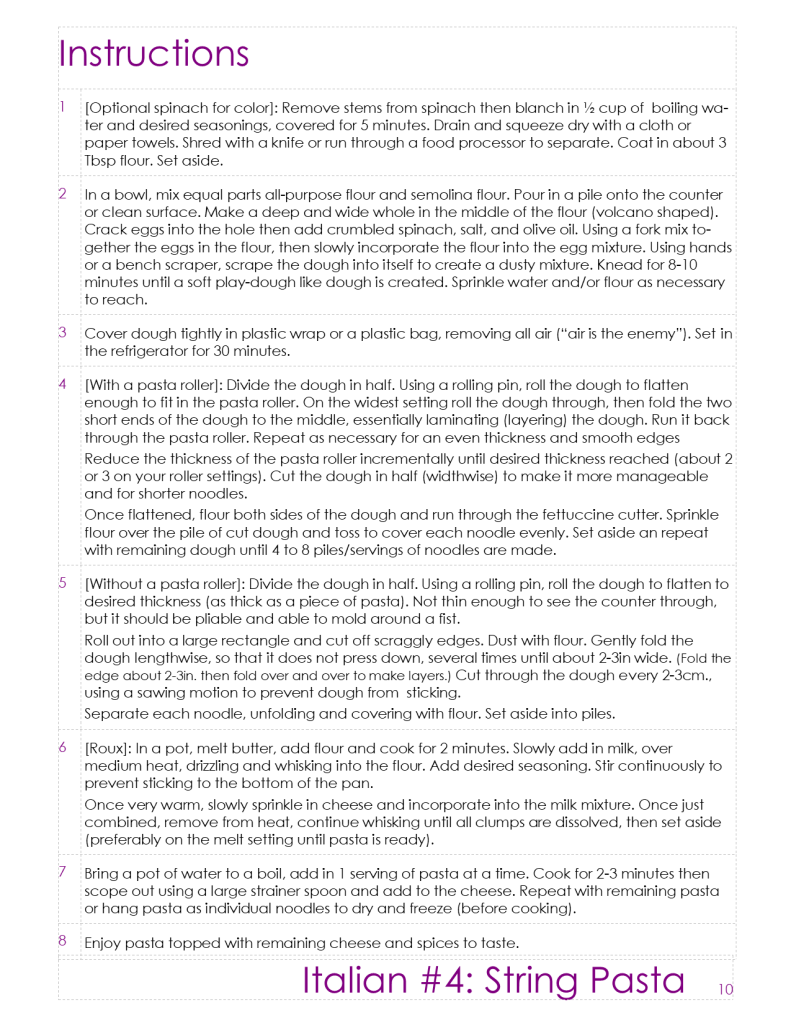
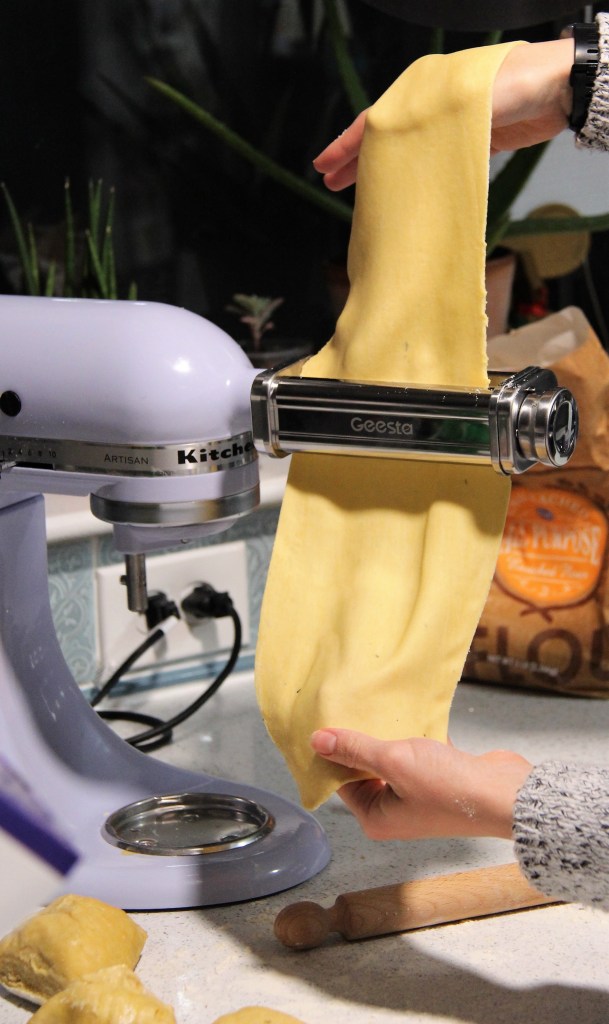
Today in 2020, I celebrated the close of Italian month by spending the afternoon with my mother covering pasta basics!

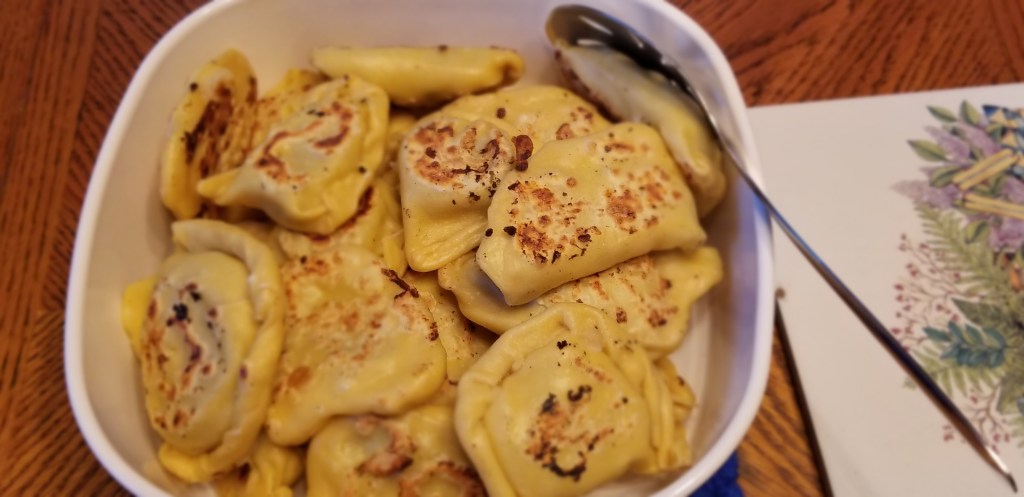
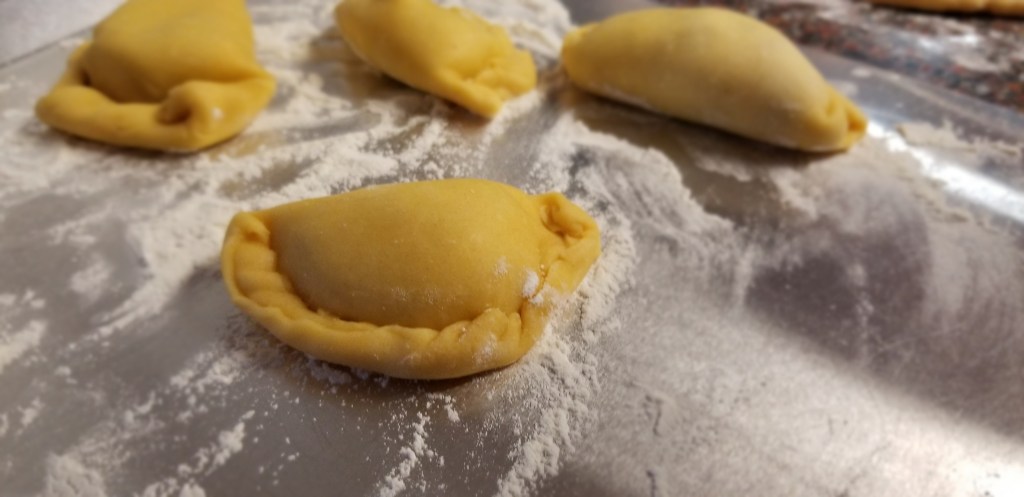
We have made several rounds of pasta, including varieties of fettuccine, linguine, tortellini, ravioli, and pierogi (shout out to my Polish friends).

I can happily announce that I am stuffed full of carbs and can wrap up a full and relaxing leap day. Yes, there were some unusual parts to my day, but with immediate smiles!

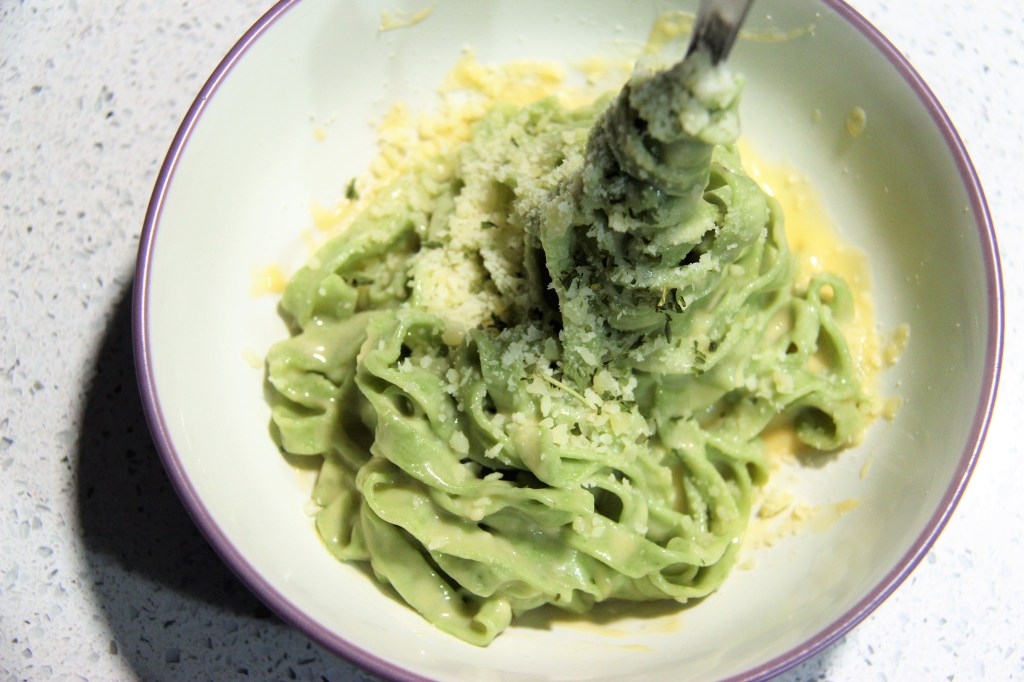
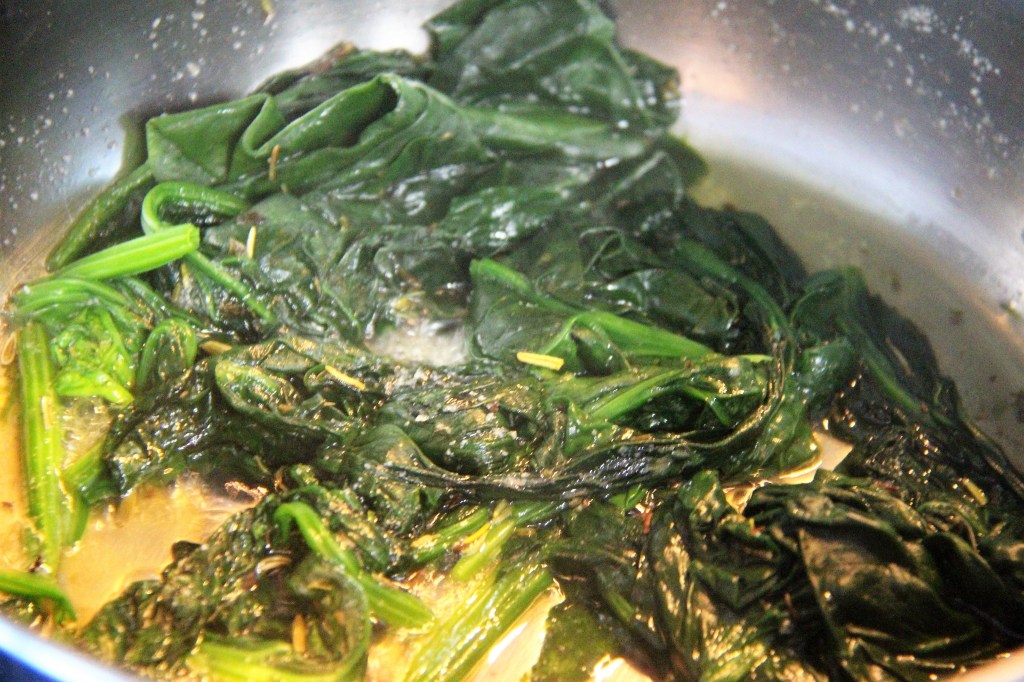
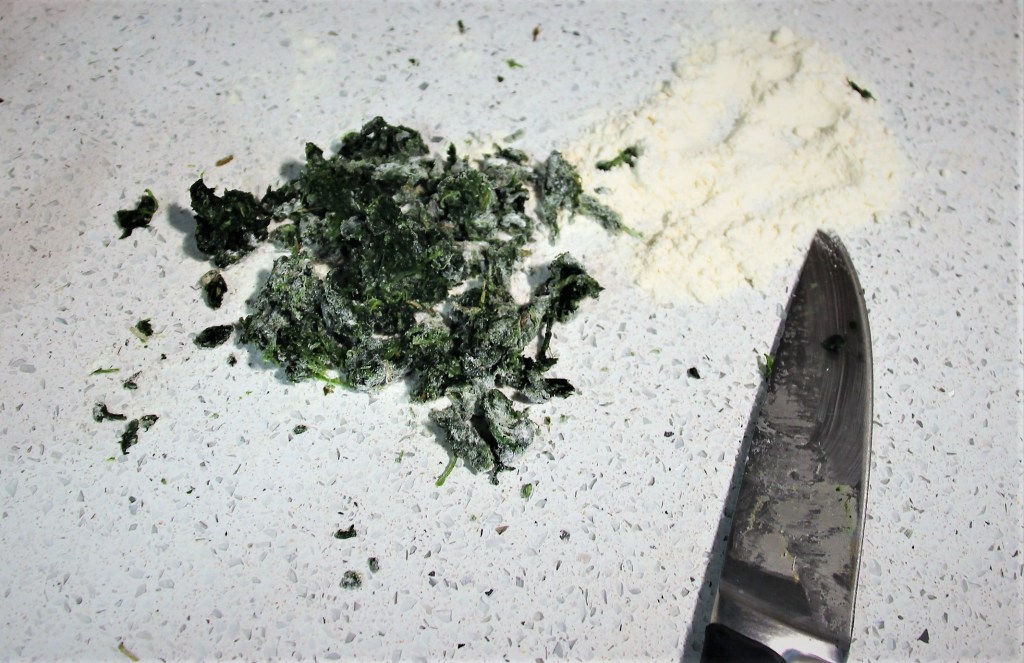
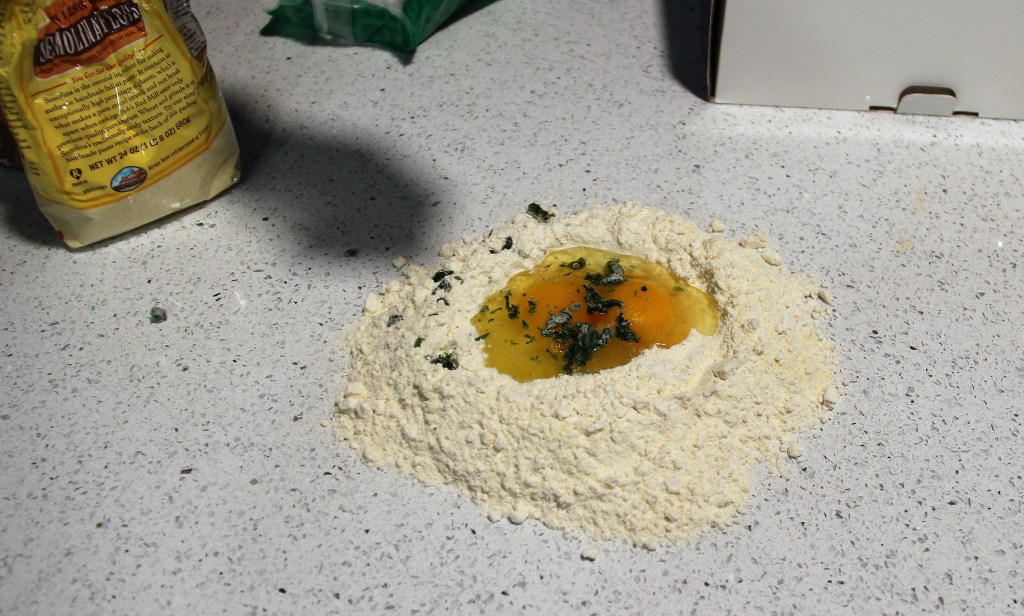
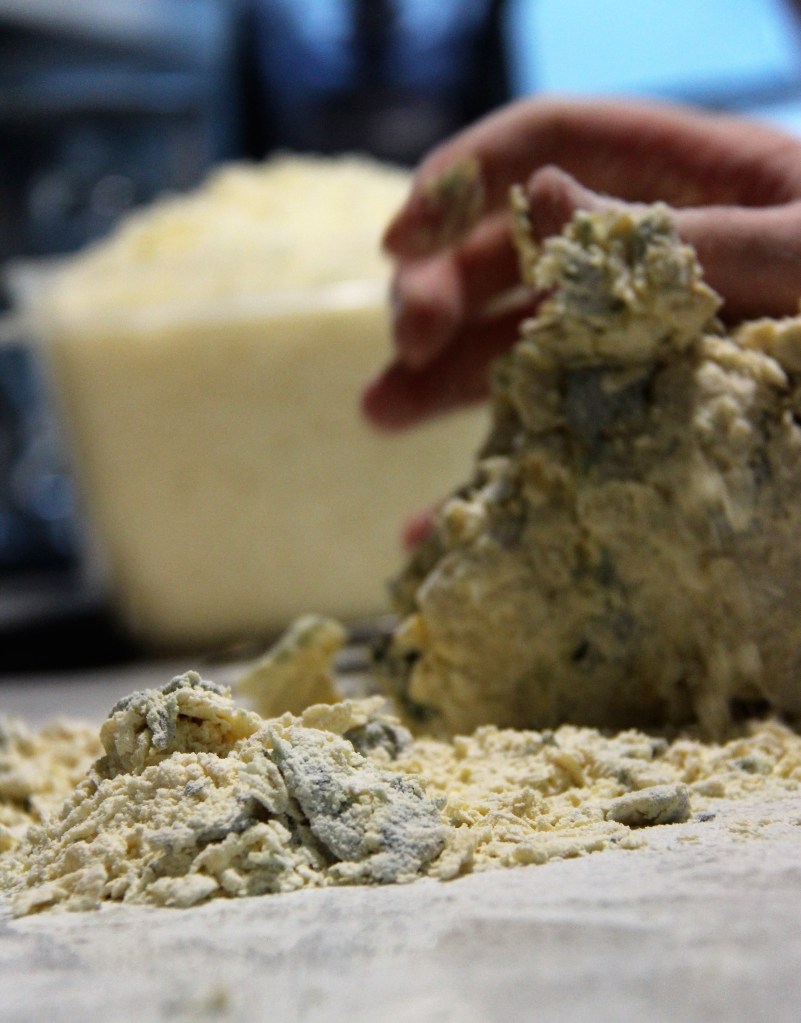
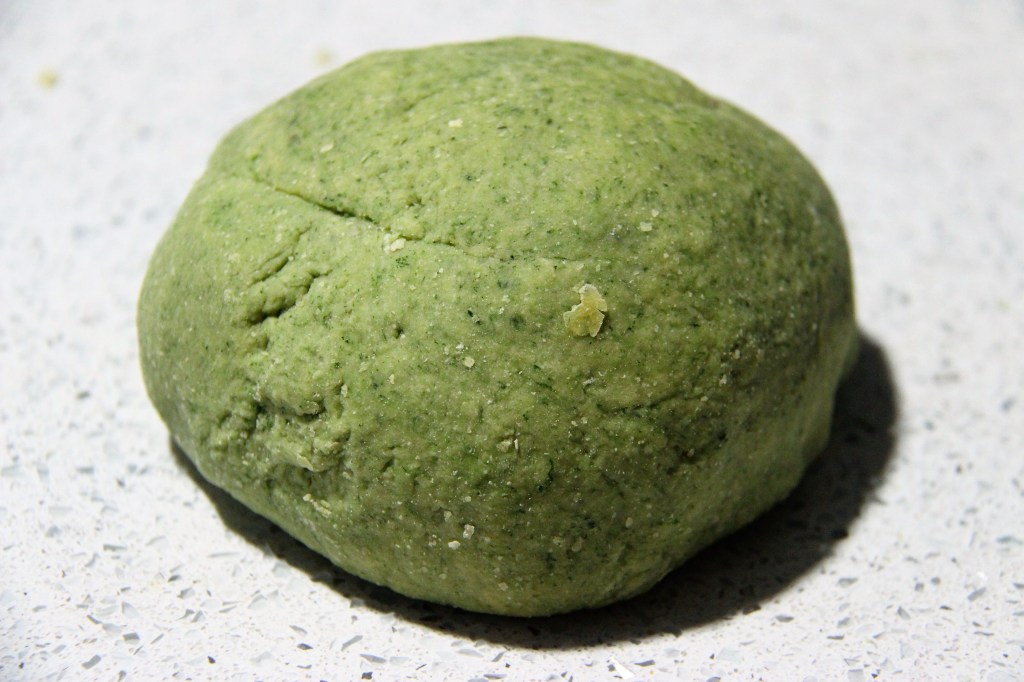
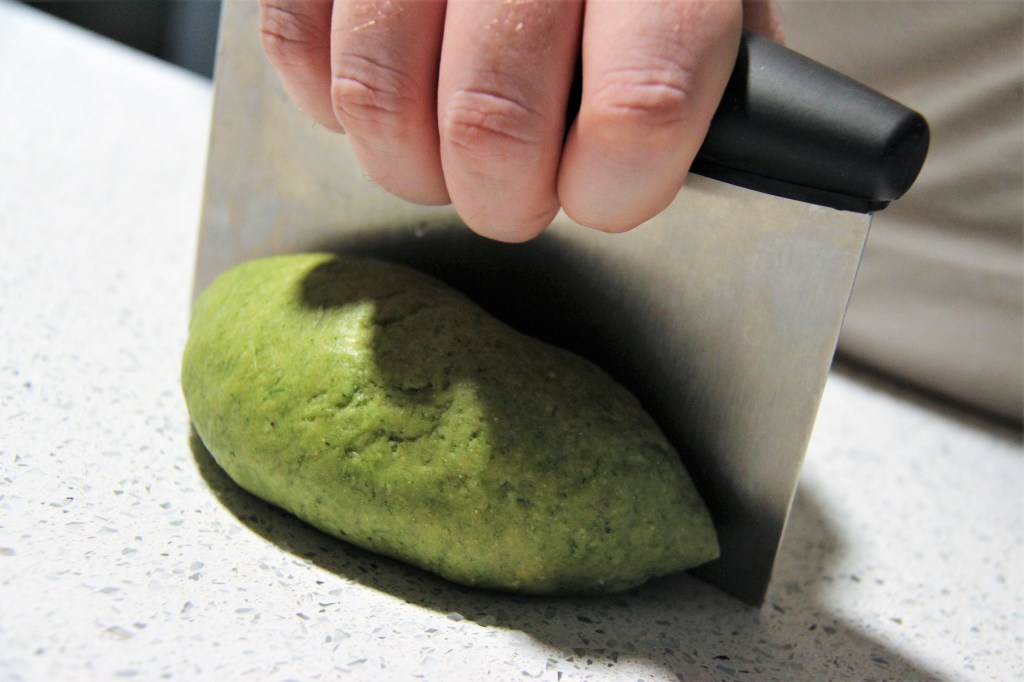
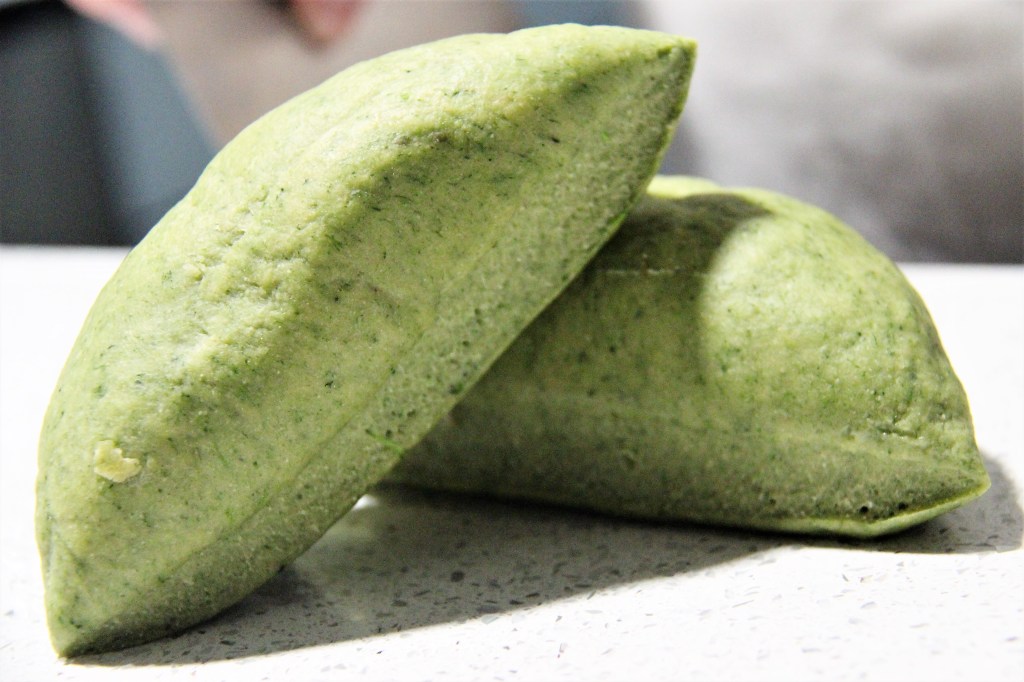
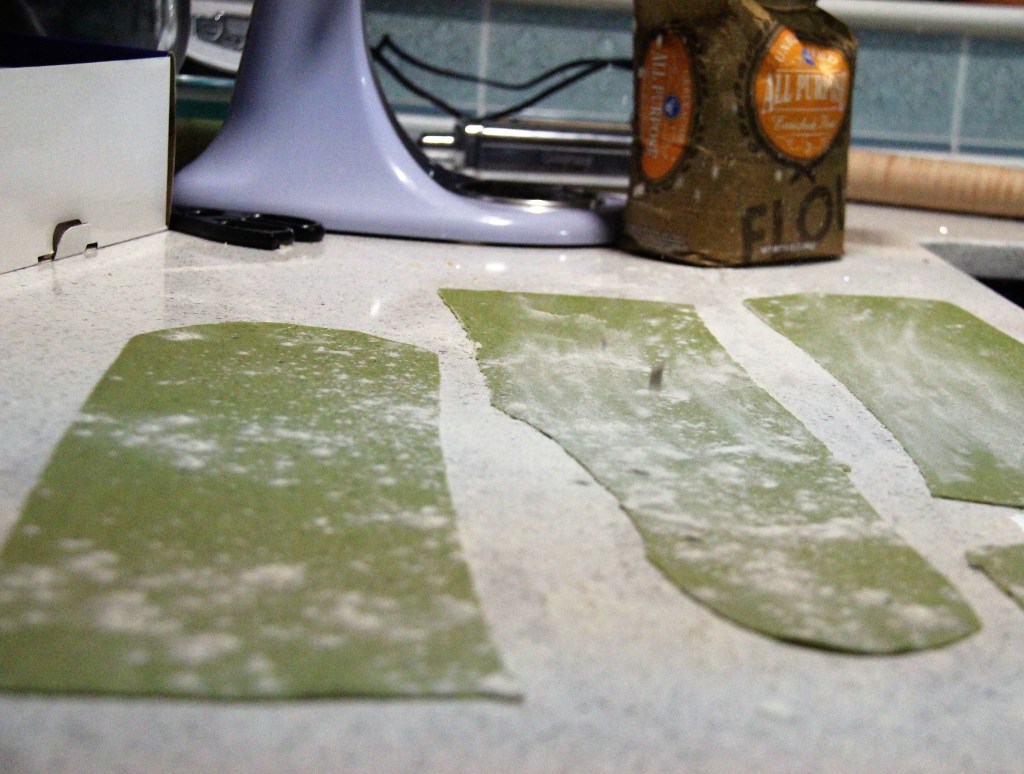
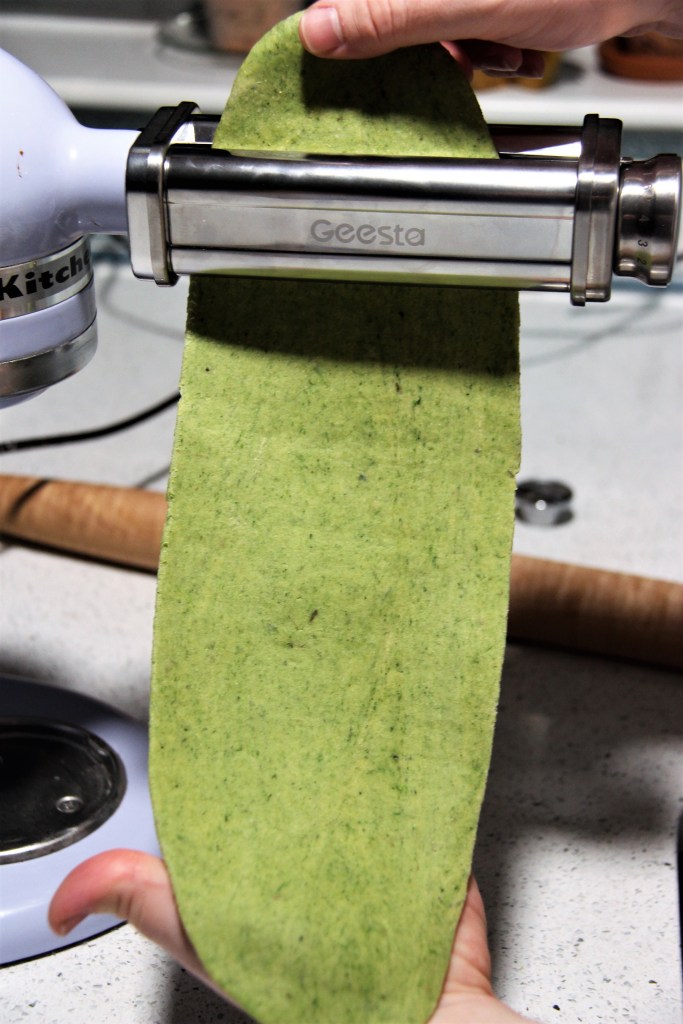
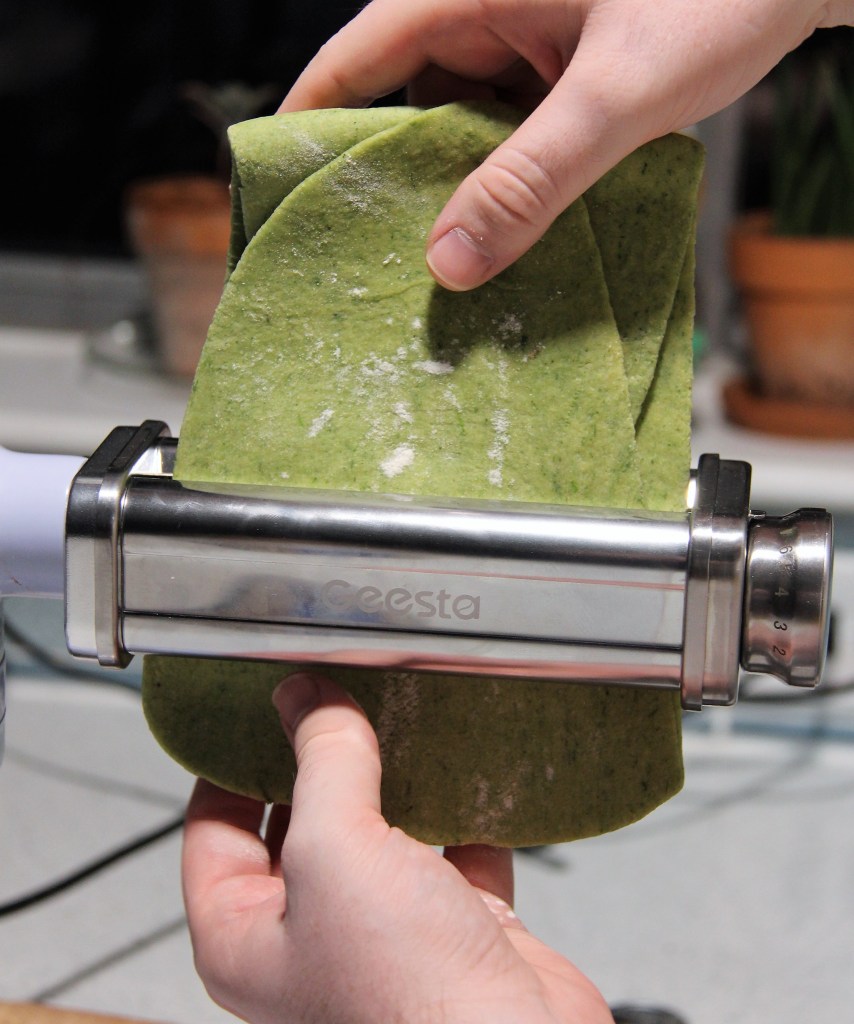
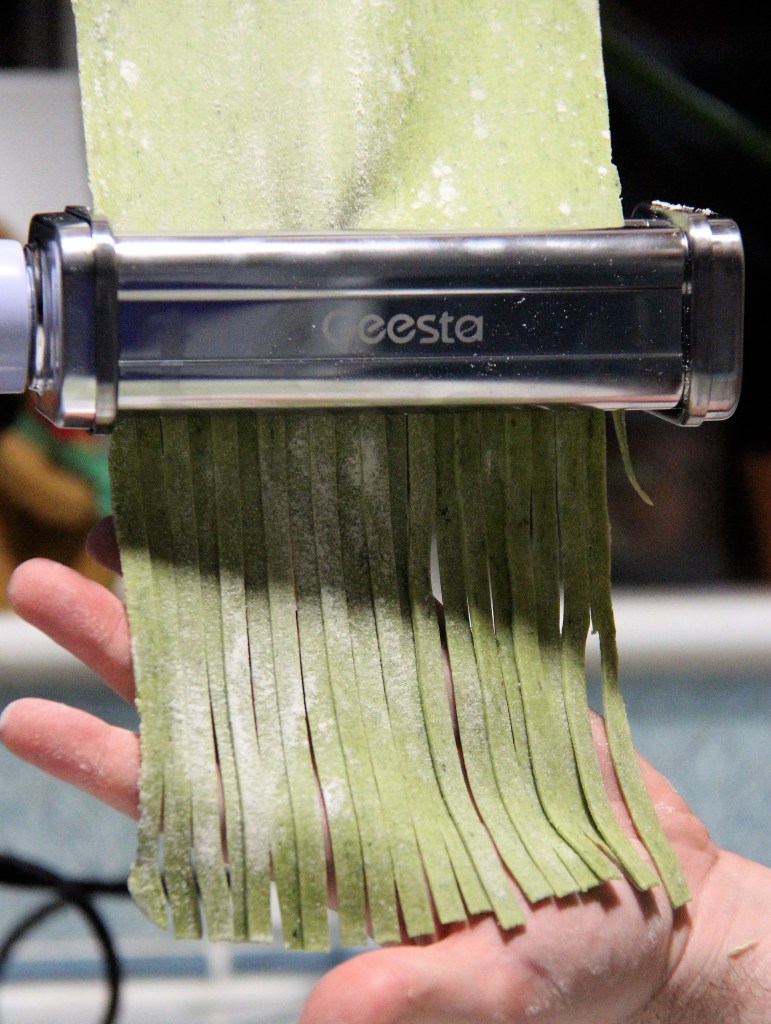
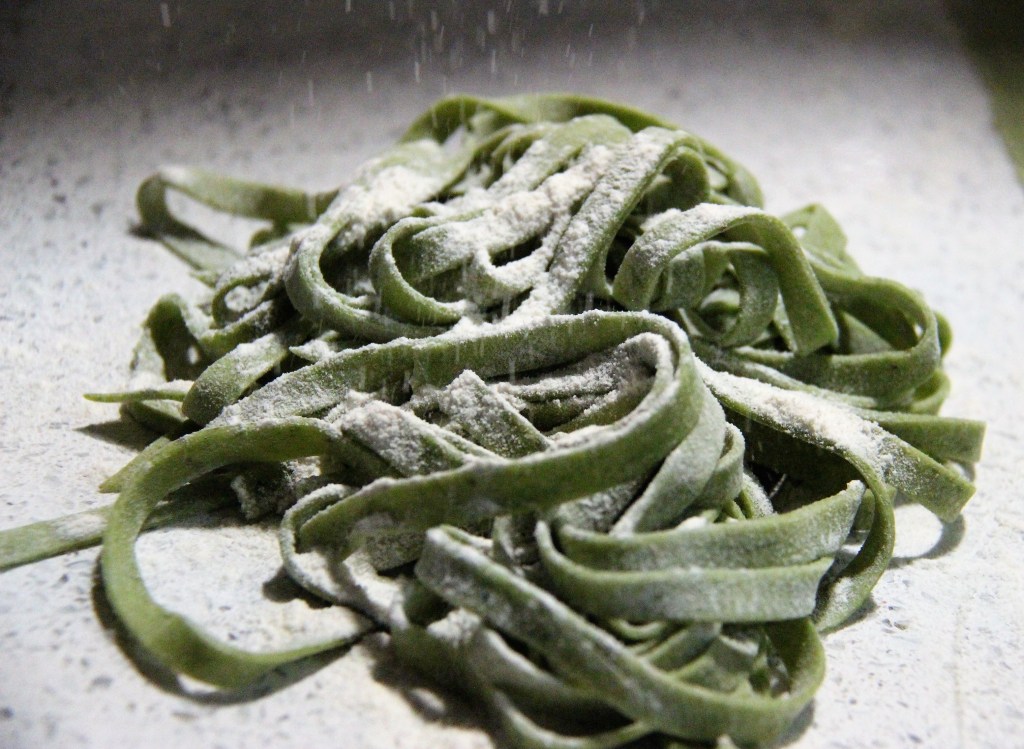
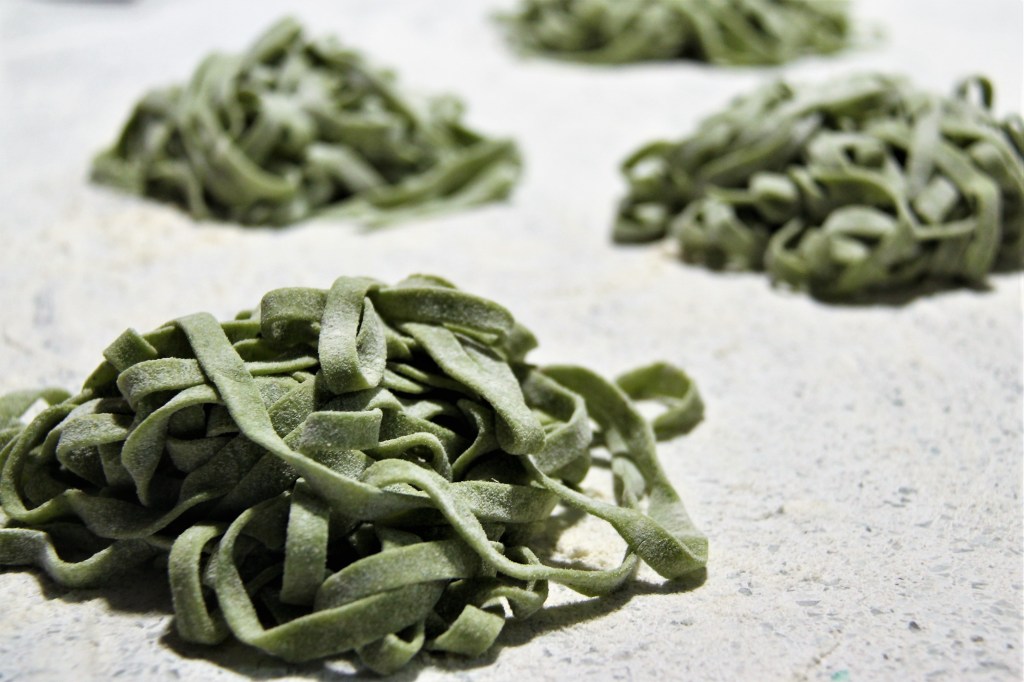
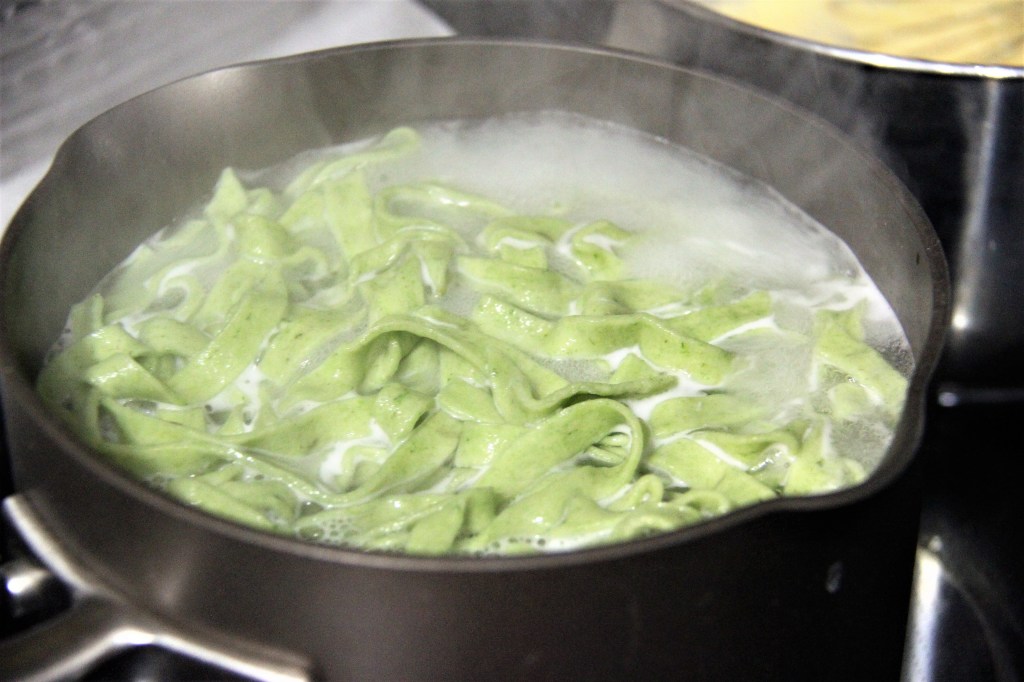
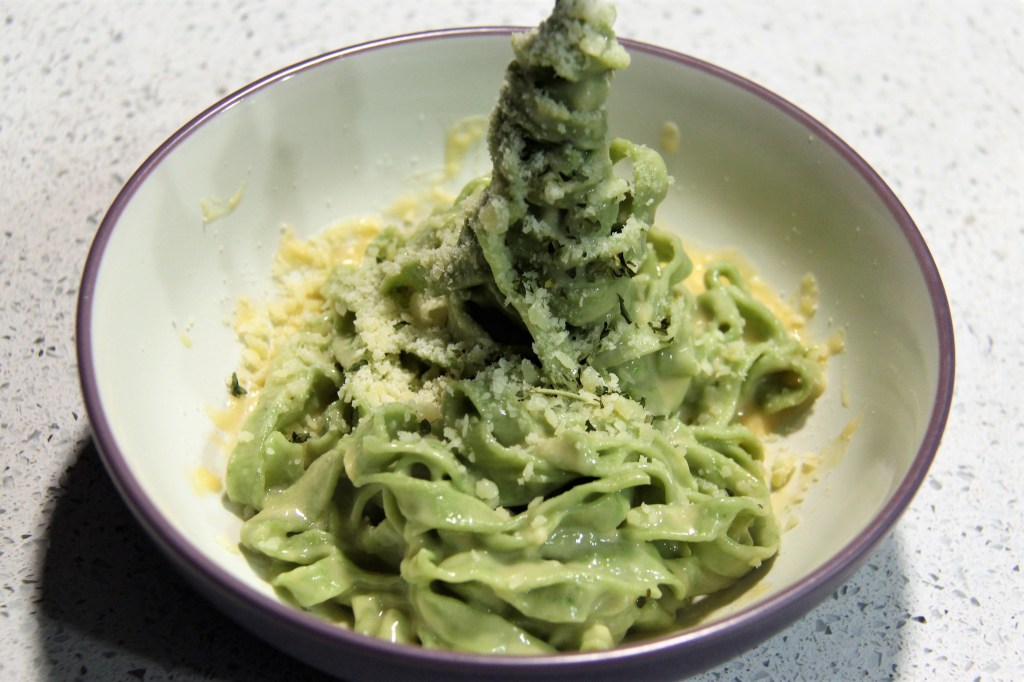
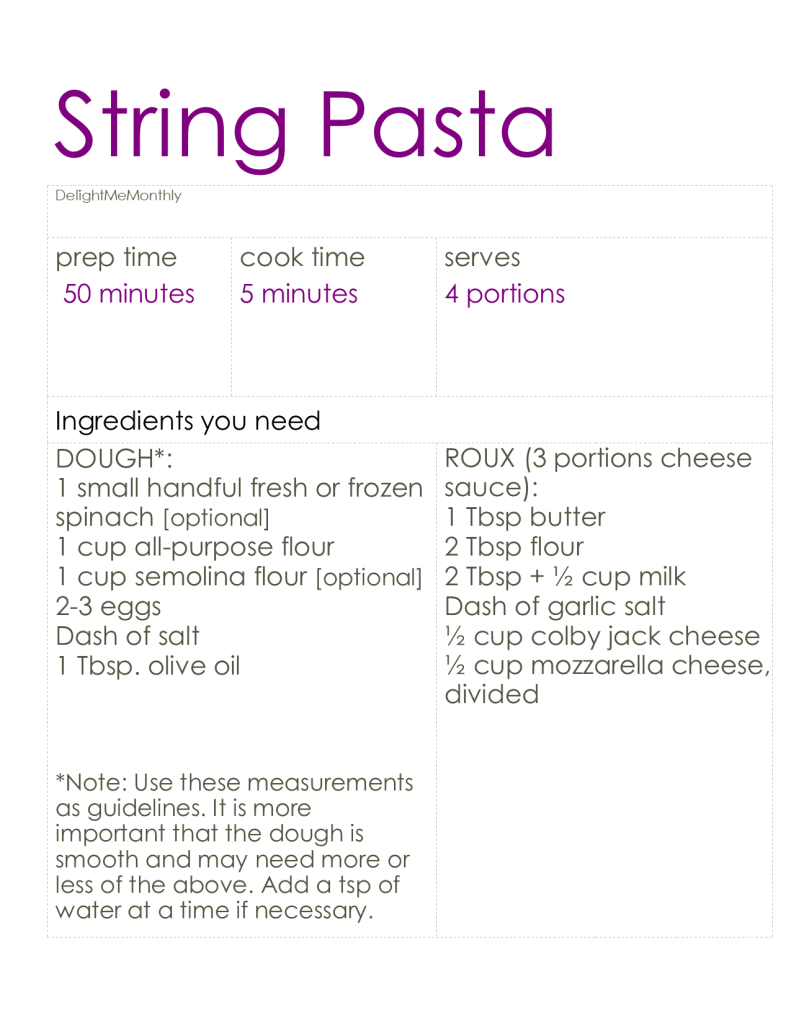
Take-Home Tips: It does not take much spinach to turn pasta green but would take a considerable amount to adjust the taste. Try substituting foods to make other colors – beets for dark red, carrots or tomato paste for orange, or even food dye. This is a fun and educational way to get kids involved with pasta making.

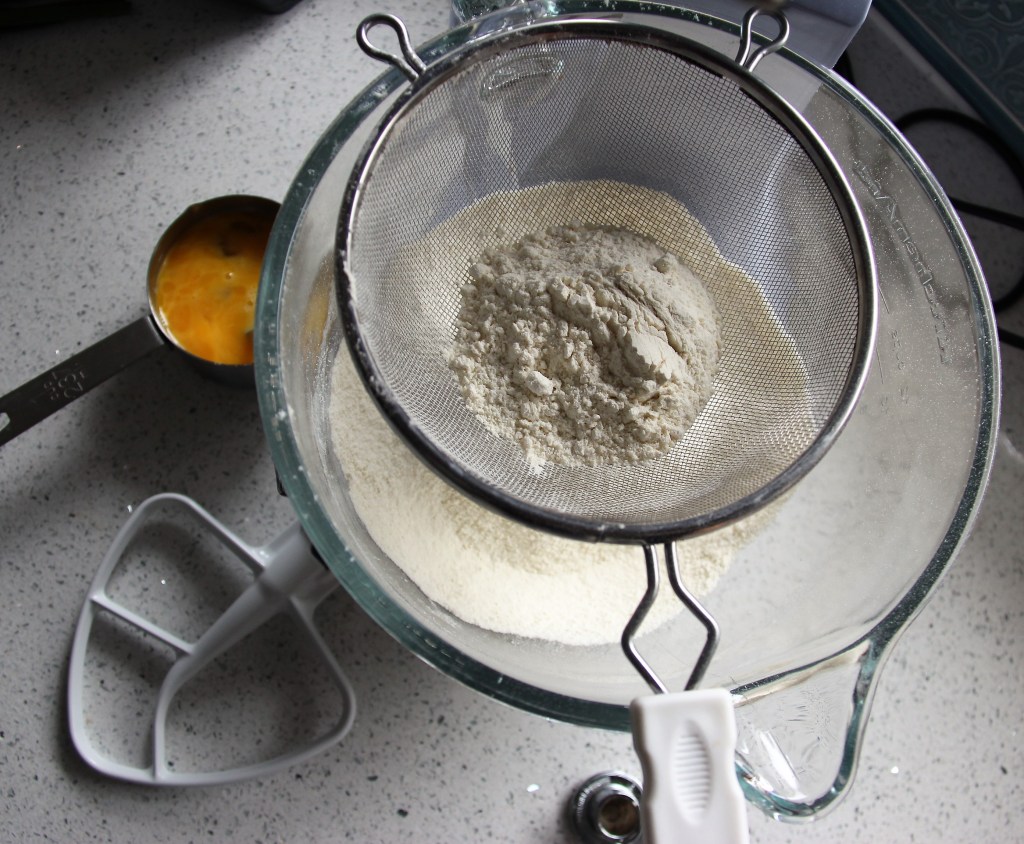
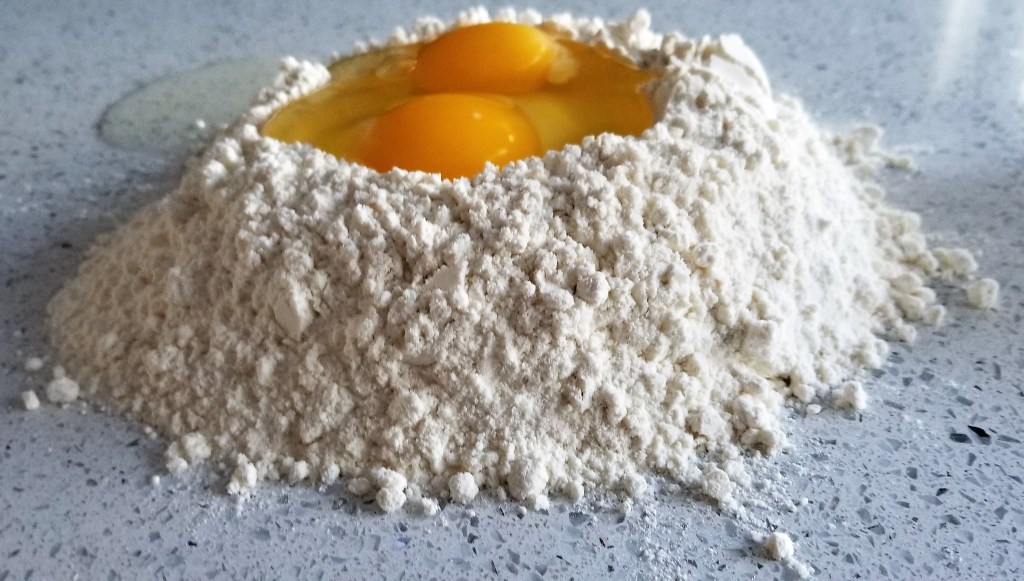
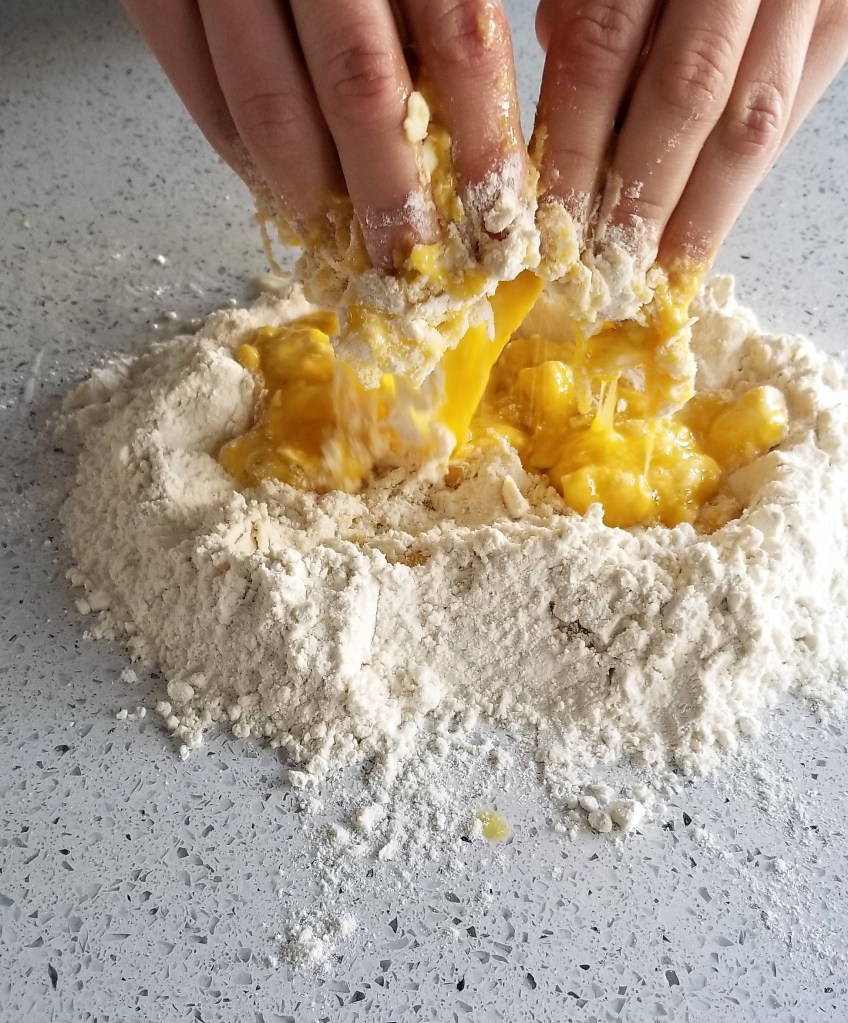
Scoring: 9 of 10. For the spinach fettuccine specifically, I was actually disappointed the taste was not noticeably different. If you do not like spinach, you can still enjoy colorful pasta without the flavor of color. The great thing about pasta dough is that measurements do not need to be precise. I stopped measuring several batches ago. Just pour a couple of scoops of flour on your counter, add eggs and salt and go from there. Add more liquid as needed.

Pierogies
Potato-filled pasta

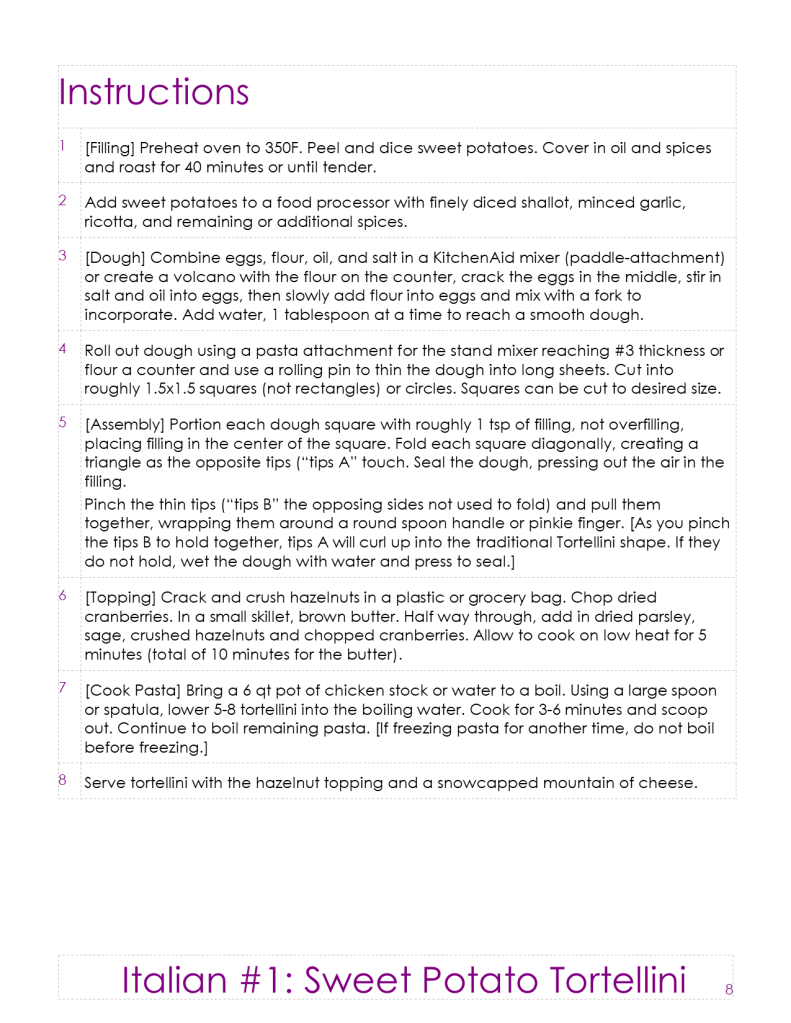
Italian #3: Sweet Potato Tortellini

If you were invited over to someone’s place for a first date, and Homemade Sweet Potato Tortellini with a Cranberry-Hazelnut topping was on the menu, you would be married the next day.

This meal is dressed to impress. It has the elegant air of a 5-star restaurant with a title that celebrates health conscious interests.

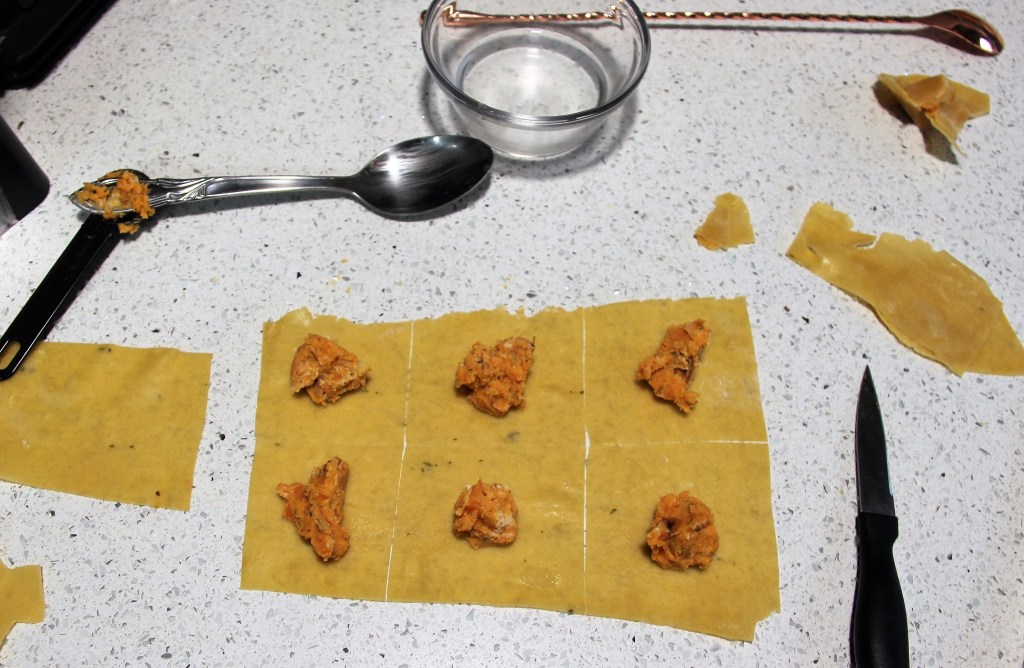
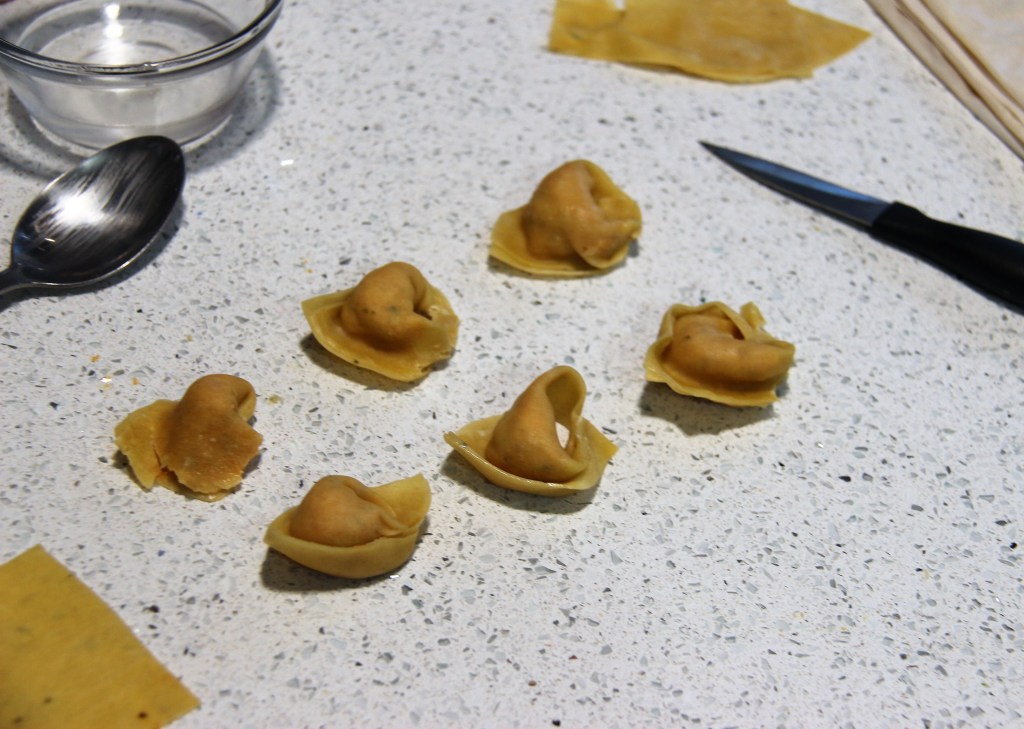
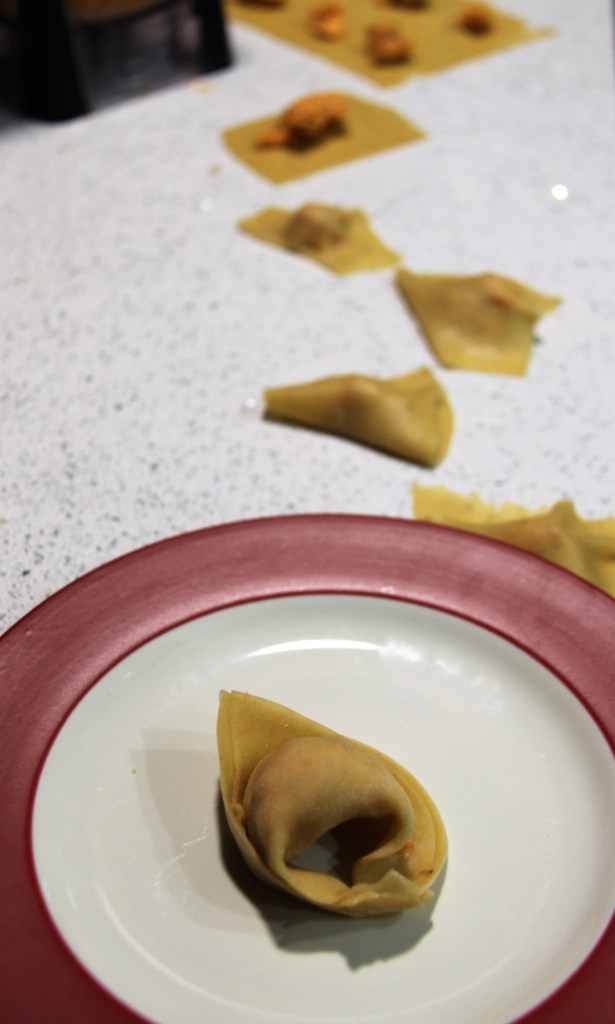
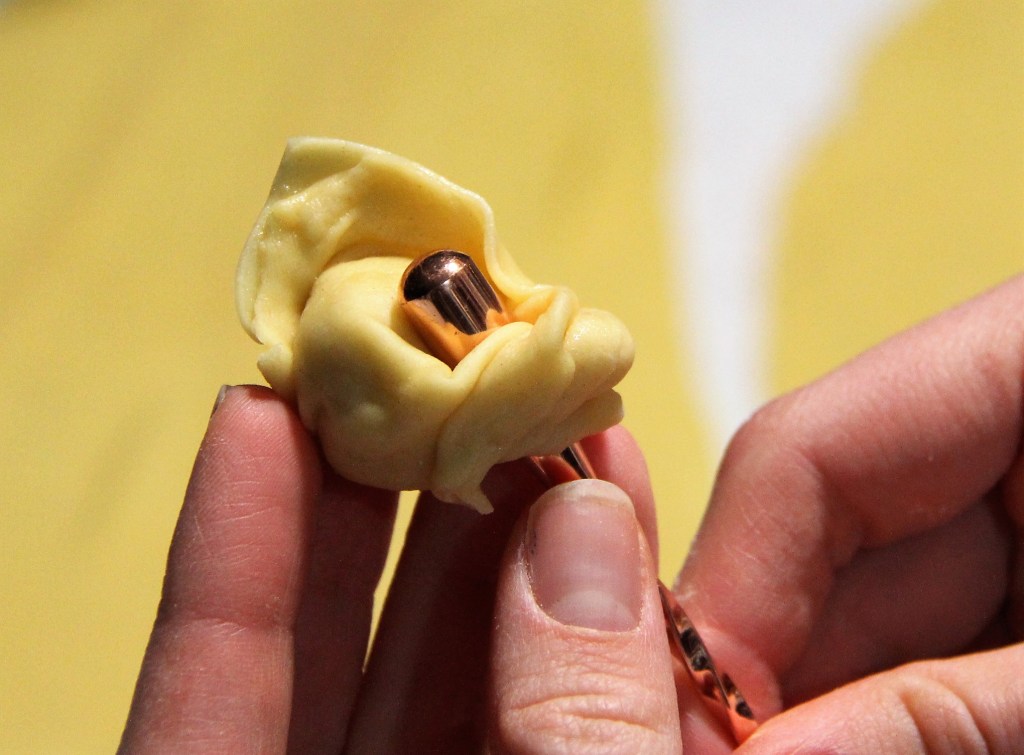
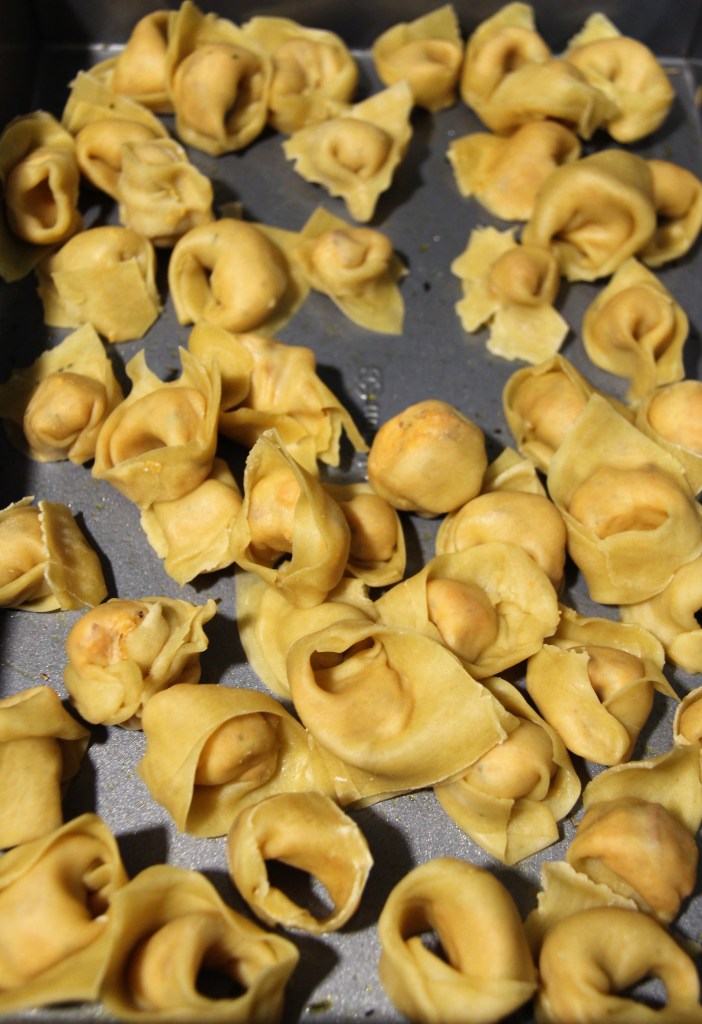
As the dish is still pasta I would not consider it healthy. However, it packs a punch with how easy it is to make. We usually make ravioli for our special homemade meal, but I was determined to learn the art of tortellini this year (2020 goals). When comparing ravioli to tortellini: for ease and convenience – tortellini wins! There are no special tools needed, although they might help speed up the process. Less dough is needed to make the tortellini as there is only 1 layer used in the process, and consequently the thinness of the sheet of dough does not require as much precision as the ravioli. In addition the amount of filling that will fit in the wrap of the tortellini can be expanded and does not necessarily need to be measured, which I recommend for the ravioli. Tortellini are less delicate, finicky, and are more enjoyable to eat than ravioli.

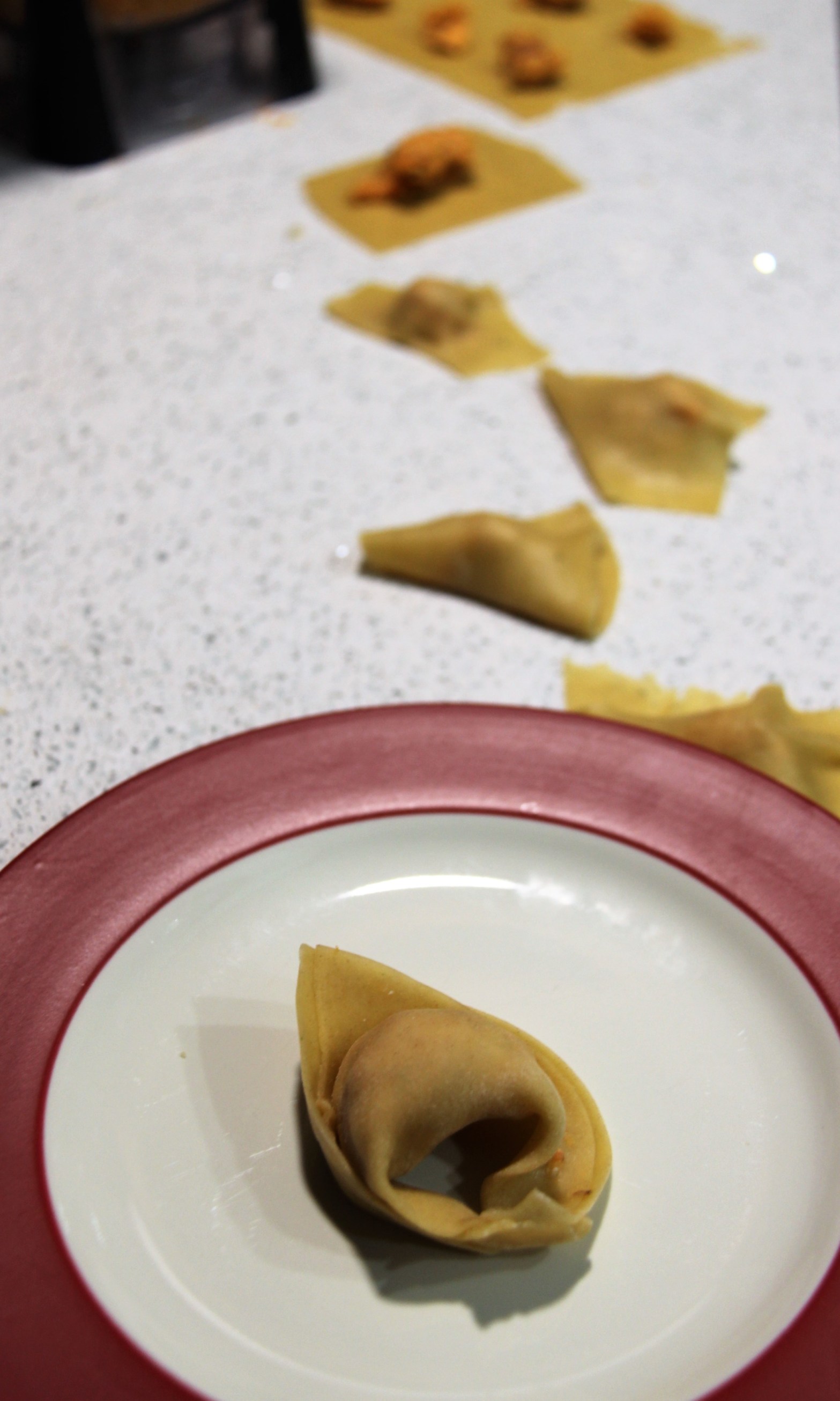
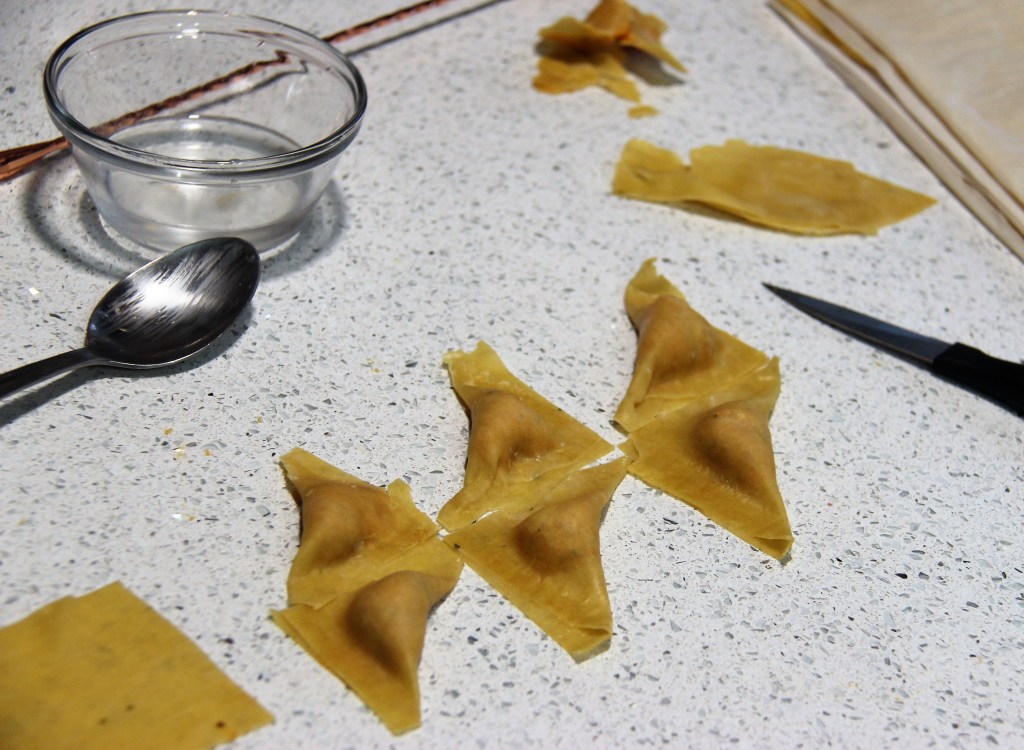
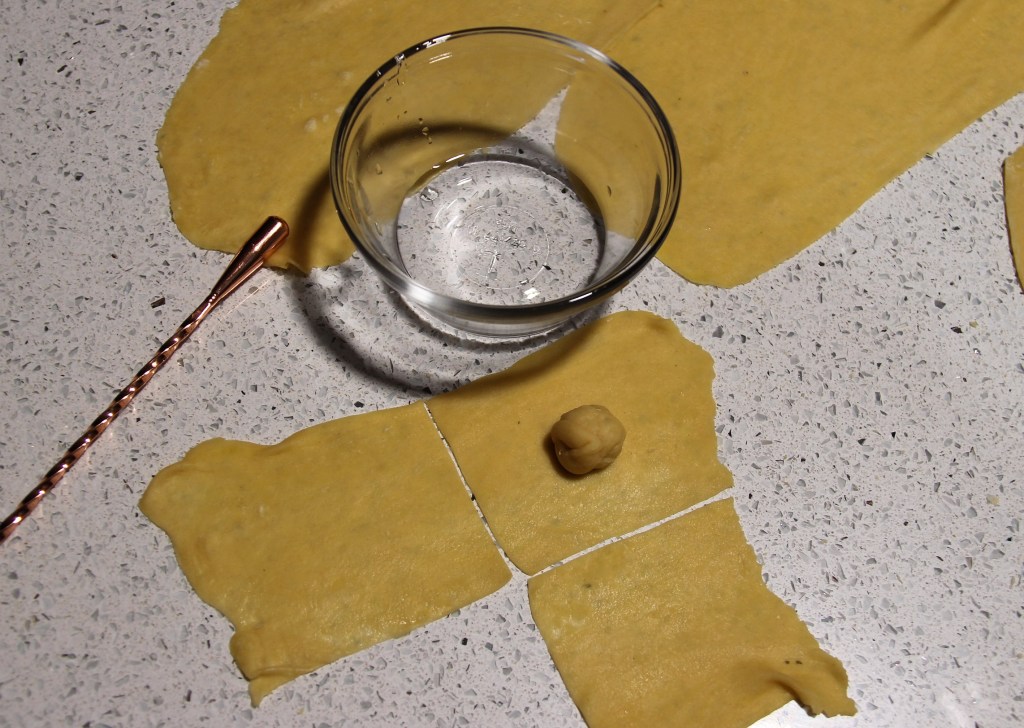
Whether they are cut round or square, the tortellini do not care.

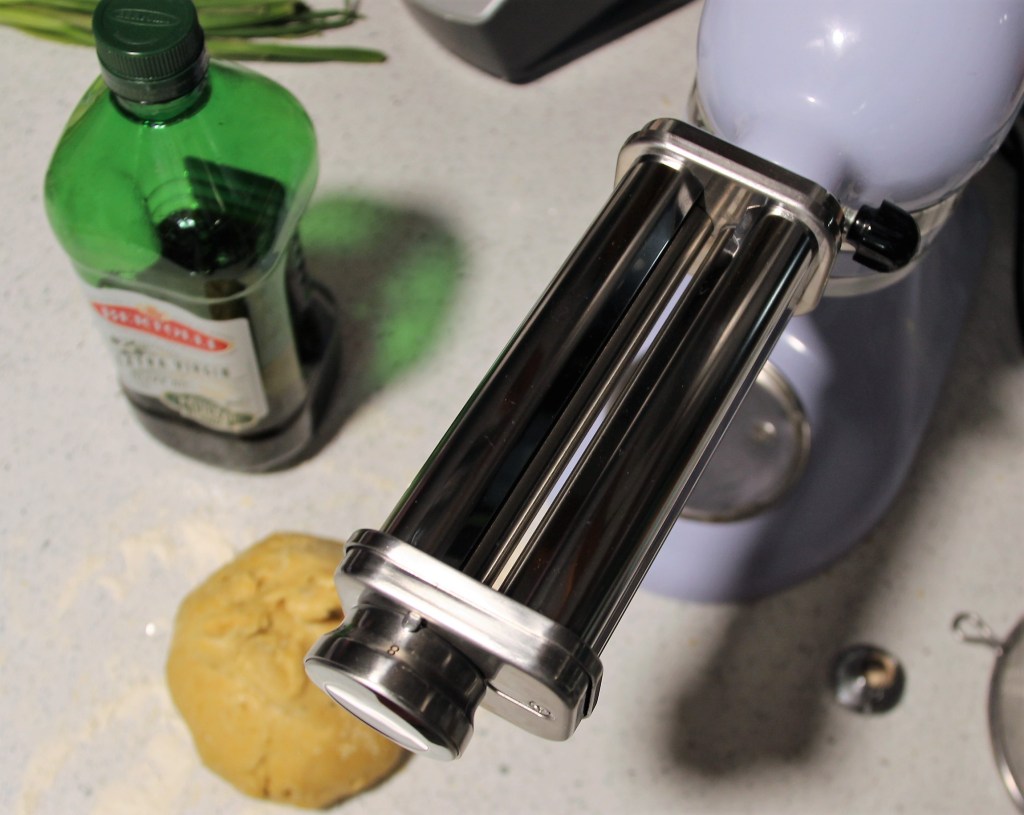
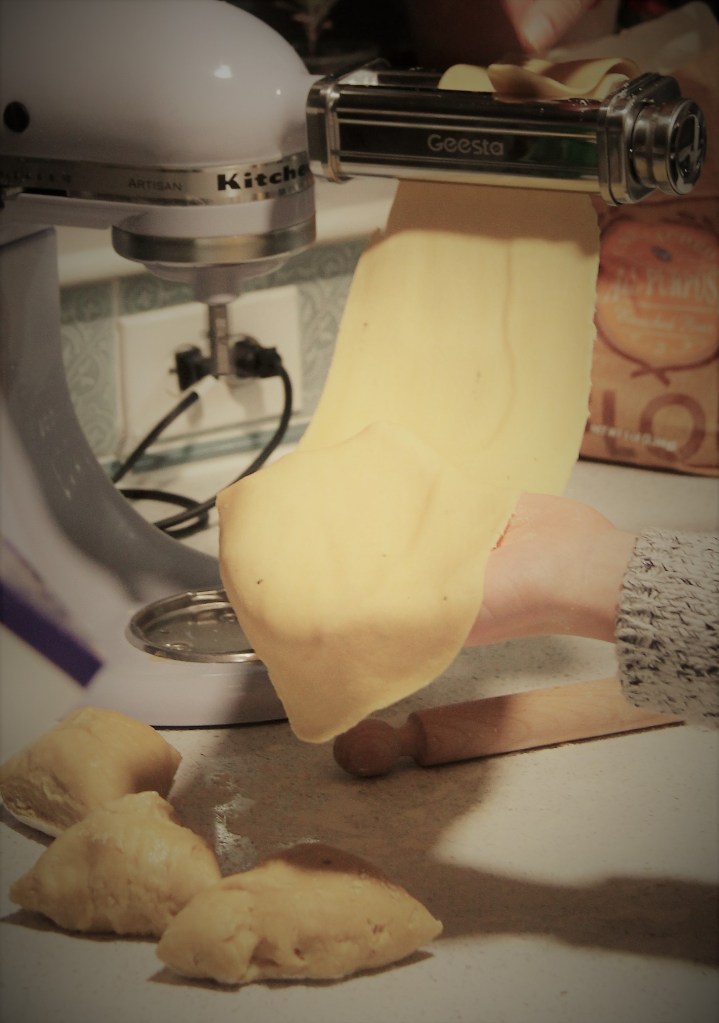
We invited my in-laws over for Pasta-Palooza this year and were greatly encouraged by how quickly they took to tortellini and ravioli making. We made three kinds of fillings and shared them between both types of pasta. Your first time can be a success too. For homemade tortellini, it would be nice to have a pasta roller, but we insisted our guests roll out their first batch by hand (rolling-pin) before trying the tools. They commented that it really was not that hard and would make the dough by hand at home regardless of their (lack of) pasta roller possession. Additionally, no tray or cookie cutter are required (although a rough cutter is more uniform).

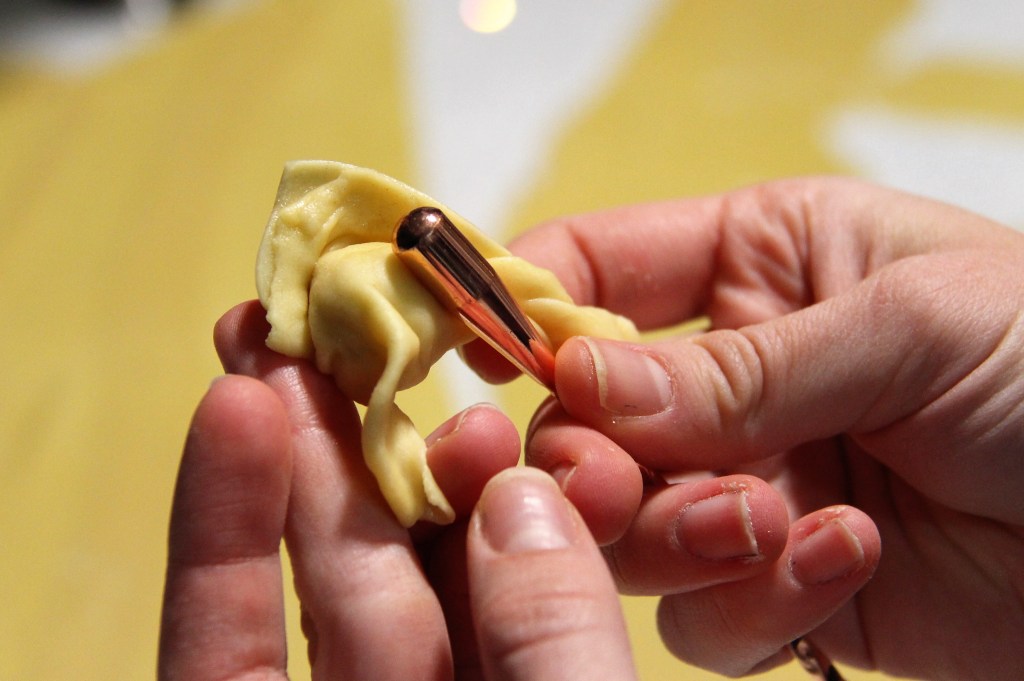
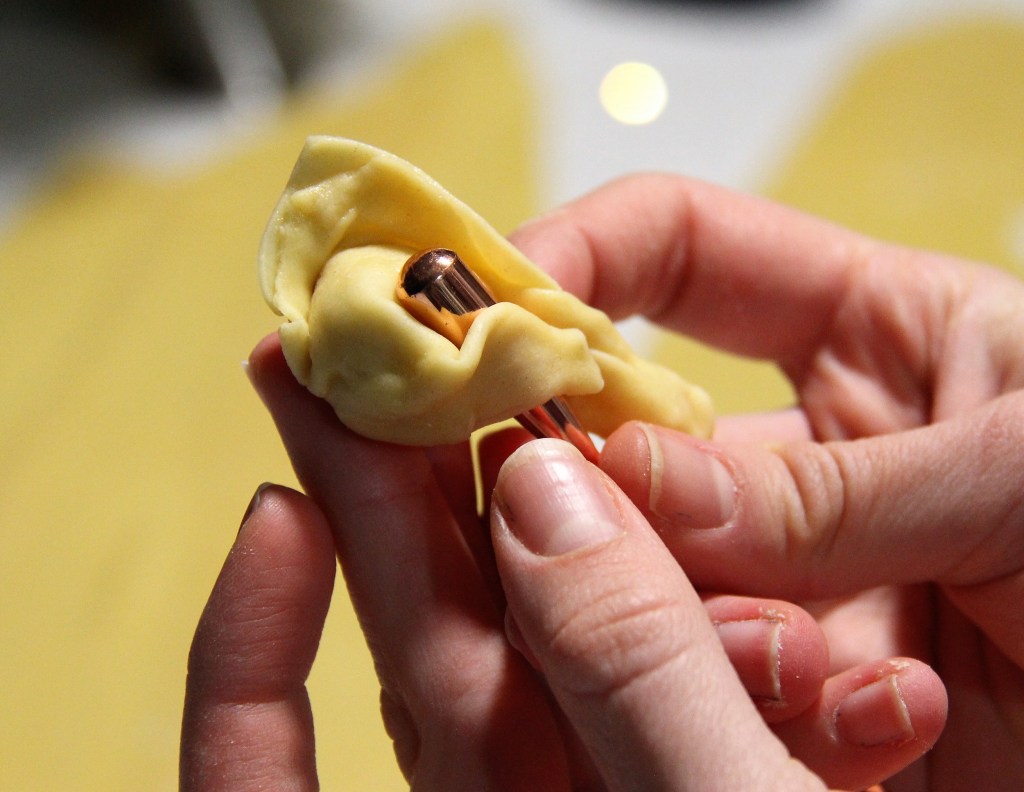
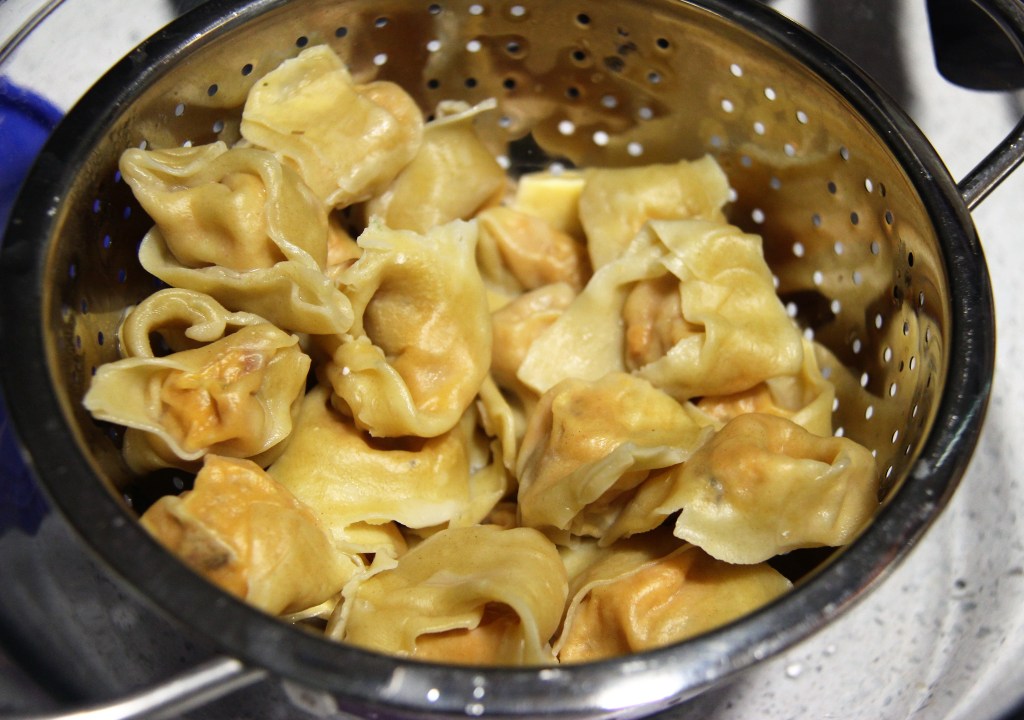
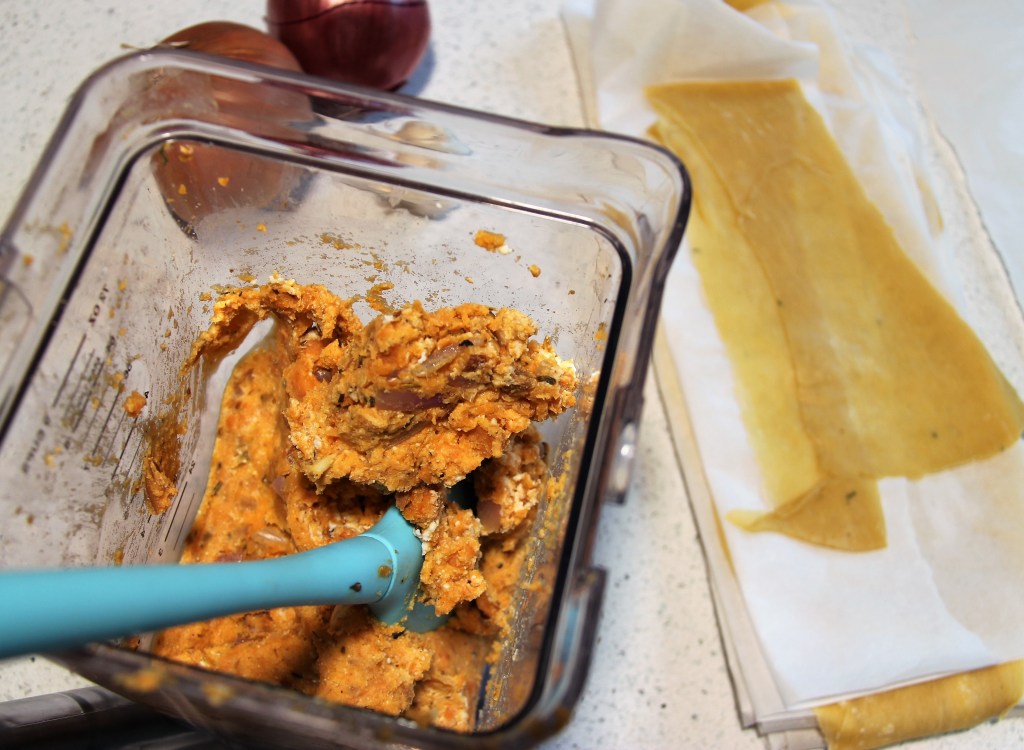
Take-Home Tips: When making ravioli, take the excess scraps of dough cut off, re-roll, and cut for tortellini. Often the re-rolled dough is too thick for ravioli, but tortellini do not mind. You may want to boil these ones a minute longer, depending on your preferences. The spoon handle is a great way to start, but we found our pinkies and other fingers did a fine job. Make extra and freeze them. When you are ready to eat, just add to boiling water still frozen. Boil frozen tortellini for 5 minutes and enjoy. These sweet potato filled tortellini are yummy without a sauce of any kind, but pair well with a garlic butter, cream sauce, or a dried fruit and butter topping.

Scoring: 10 of 10! Can I give this recipe a 12 of 10? It definitely deserves the highest score. The tortellini kept well in the freezer until we brought this homemade meal on a road-trip to my parent’s house. Once we had the tortellini ready to boil, we added the chopped cranberries and hazelnuts to the butter and had a hot meal in minutes. It was not overly sweet potato flavored, did not want for much in a way of sauce, and was oh-so-easy and delicious. Best date-night ever.

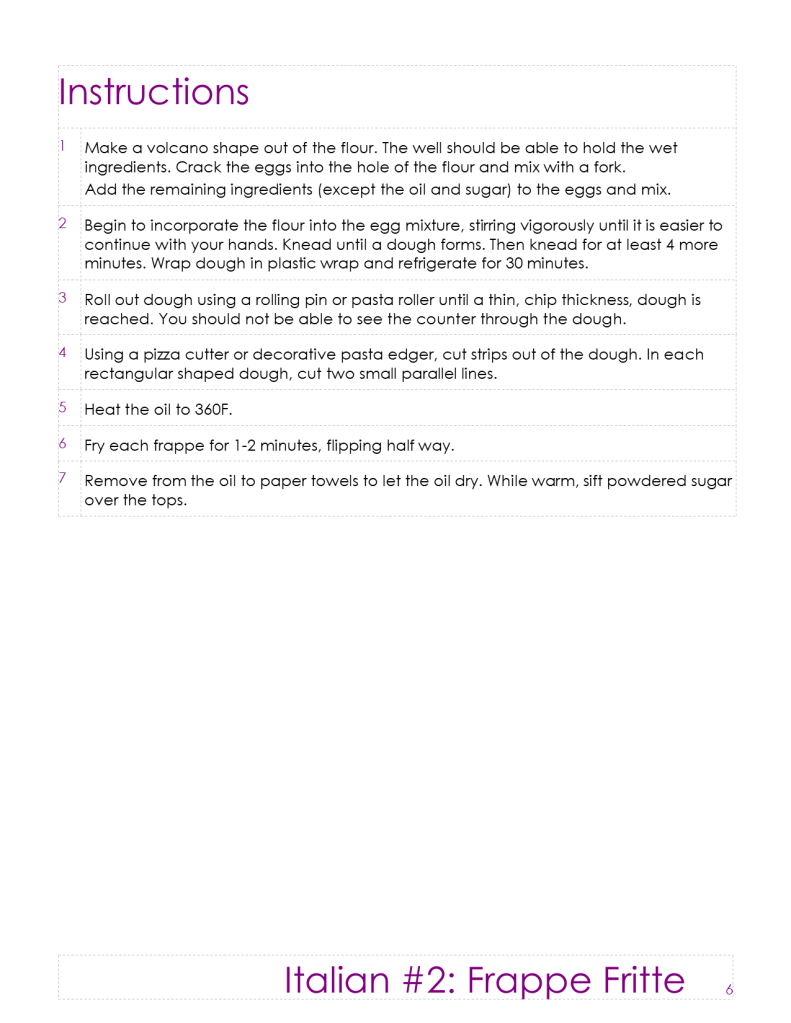
Italian #2: Frappe Fritte

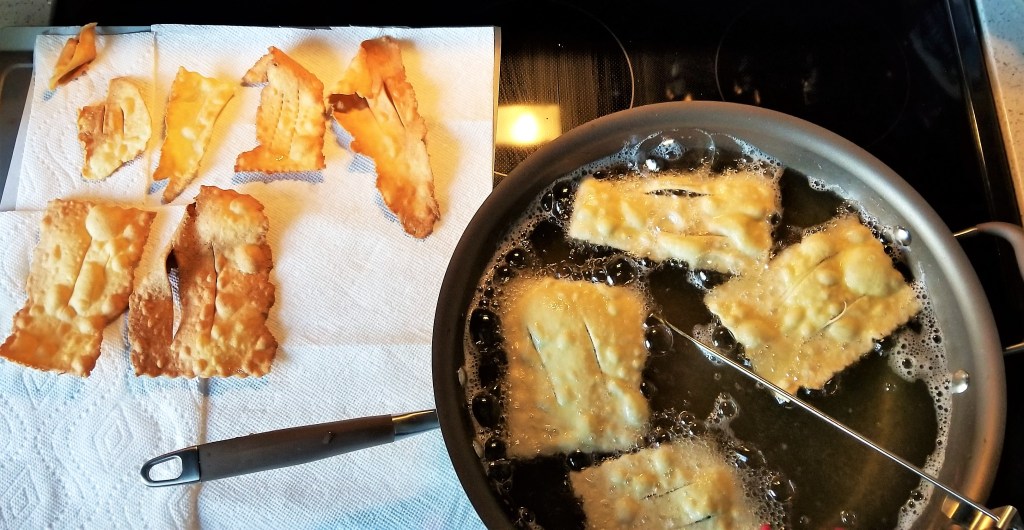
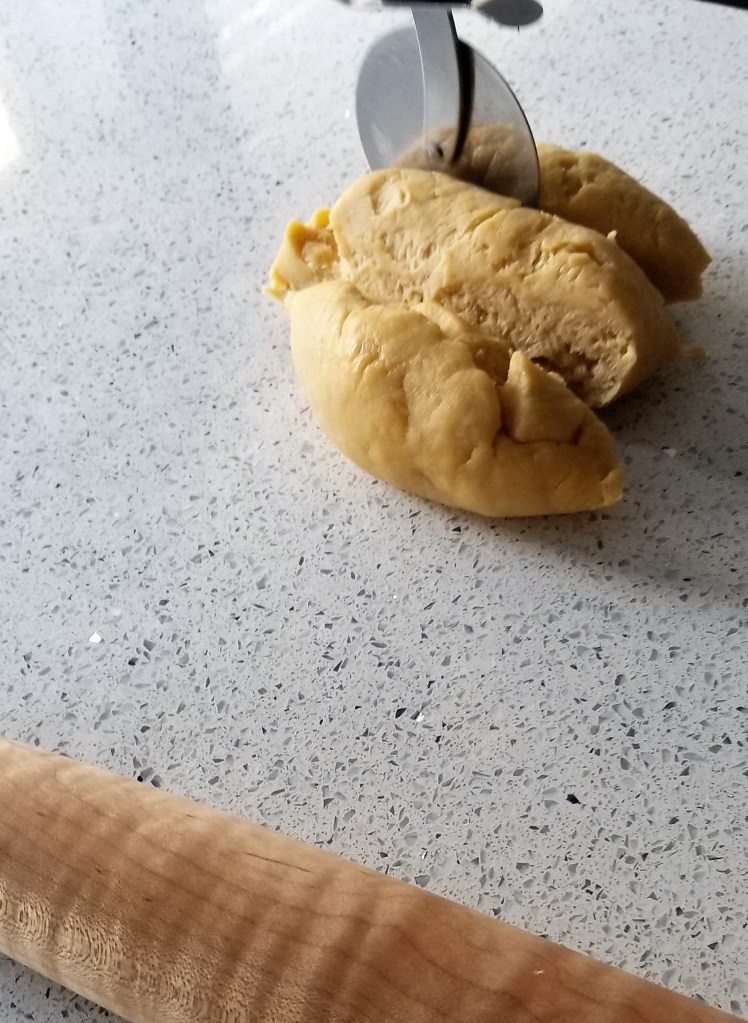
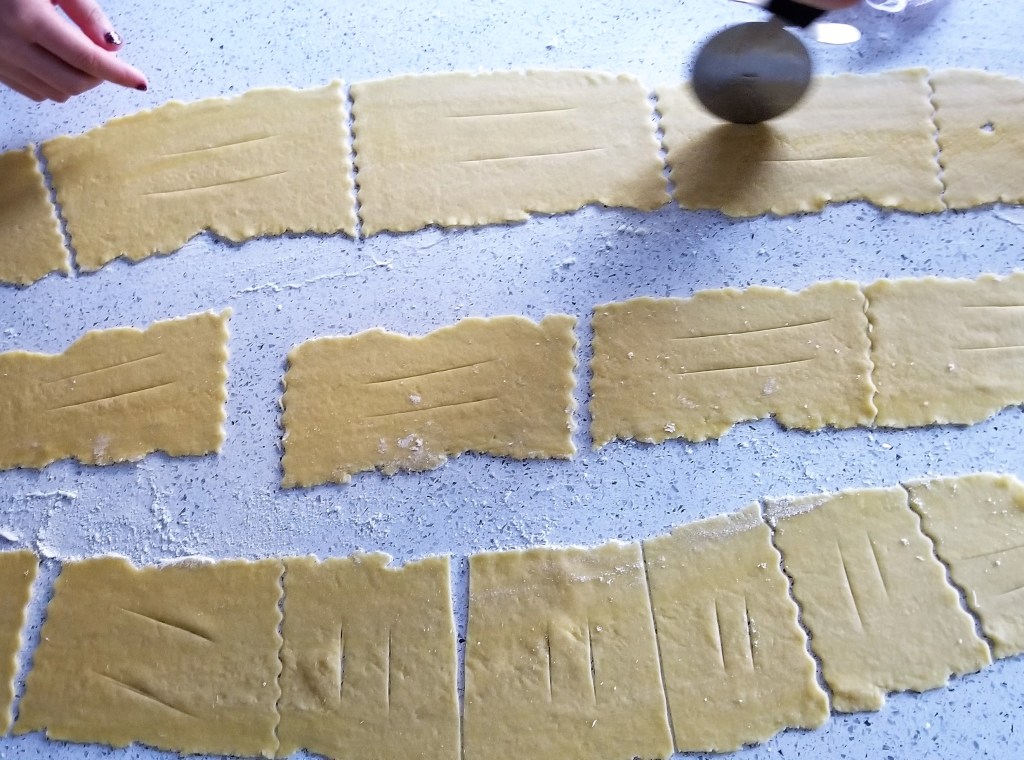
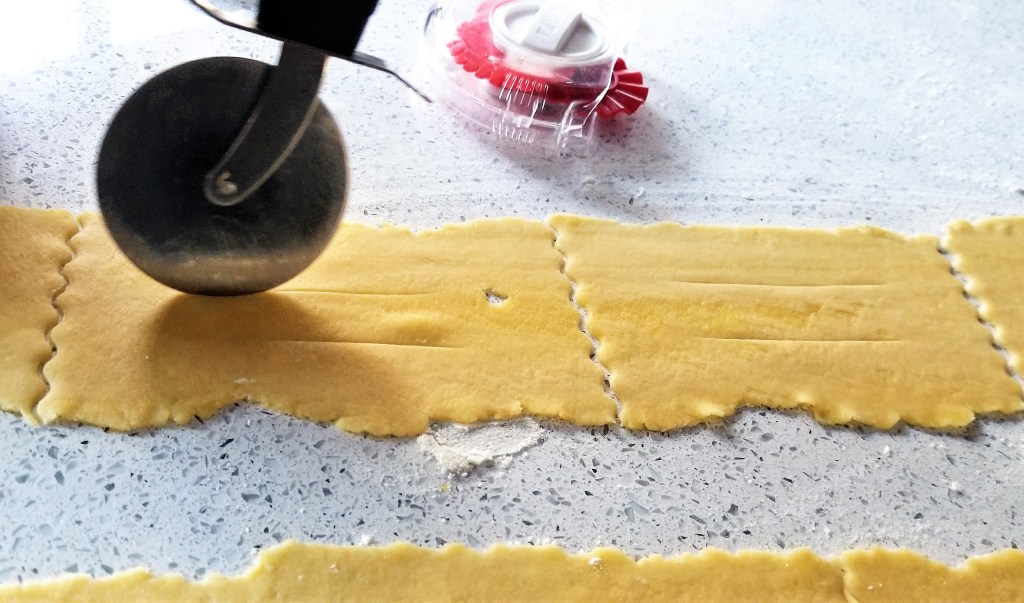
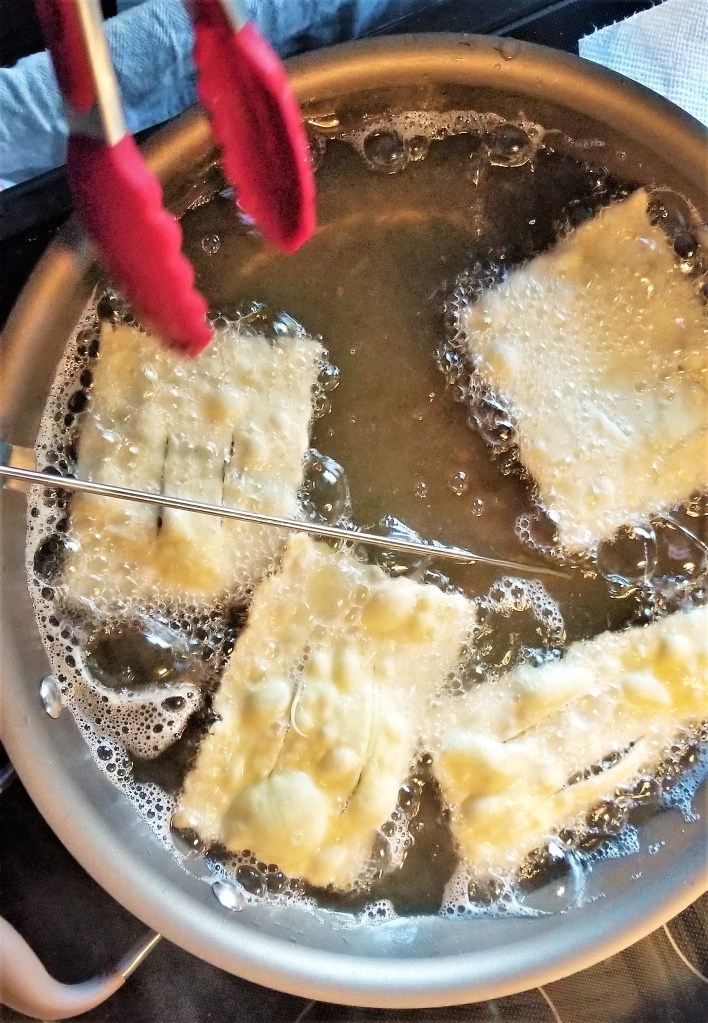
In celebration of Shrove Tuesday, we fried up these simple, yet tasty strips of dough. They are a popular Carnevale treat this time of year and easy to make. Frappe Fritte does not directly translate to English, however fritte indicates that these frappe are fried. The frappe are strips or ribbons of dough, with strikes (cuts ) through the middle.

As far as I can see, they are traditionally cut in rather large pieces. However, it is more difficult to eat them when they are cut to such a long size. With each bite they fall apart and the crumbs multiply. One of the best parts of homemade food, is that you can modify recipes and take your own approach. I would advise cutting the frappe into smaller pieces (about 2x3in). Get creative and cut the dough into any shape you desire. They may take on a personality of their own and change form from your original design, but in the end that will not effect the taste.

Sift over with powdered sugar to sweeten the deal.

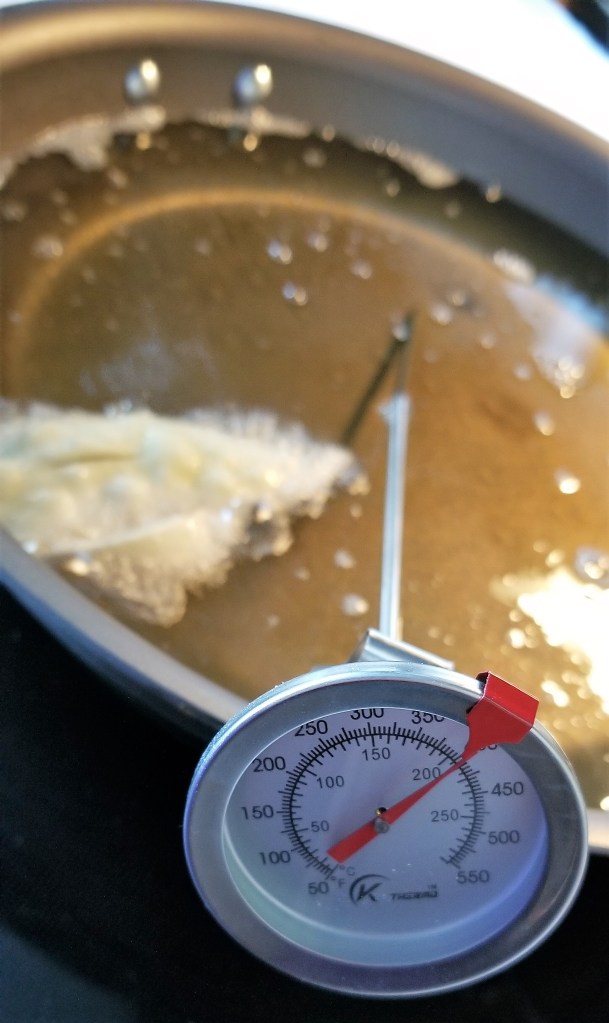
Take-Home Tips: While you already have the frying oil heated, make these in conjunction with the bomboloni! See my suggested Order of Operations below for a smooth flow to pair these recipes. Note that we specifically call out canola oil for frying. Canola oil is great for deep frying because it has a higher smoke point – it will take longer than other oils to become smokey.

Scoring: 6 of 10. As they are simple fried trips of dough, they are not bad. They are a little boring, unimpressive, and almost difficult to eat. They do taste good and they are what they are.
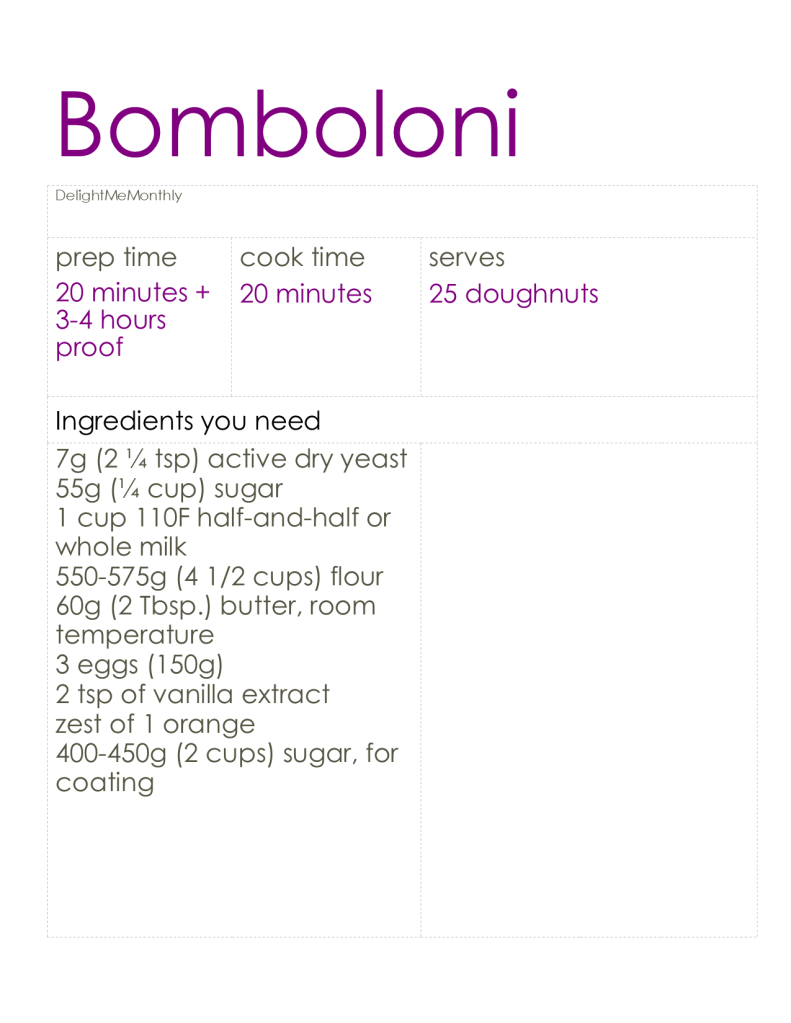
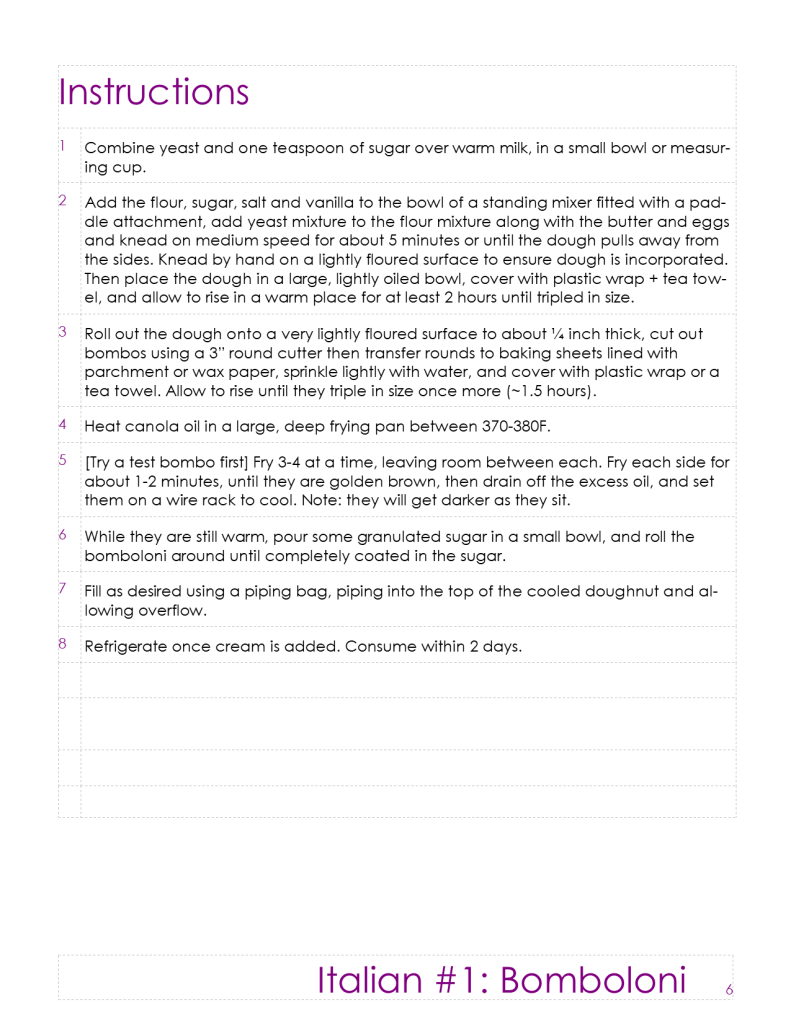
Italian #1: Bomboloni

After living in Austria, and Germany, I am familiar with the fluffy jelly-filled doughnuts of Austria called Krapfen. An infamous former president brought the sweet yeast doughnut, Berliner, to our attention. This yeasted dough is essentially the same recipe with the same origin. A common theme throughout Europe is regional variation and claims. I was interested in understanding the difference between the Krapfen, Berliner, and the Bomboloni. 

From what I can understand, the Krapfen and the Berliner have the same origin, originally an Austrian treat with the Krapfen changing names by region. A doughnut is a doughnut. They are simple, light, and either have their centers removed or stuffed with more sugar. The recipe can only have room to vary by a small degree between regions. In Germany it has many names: Berliner Ballen (in the region I lived while in Germany), Kreppel, Puffel, and quite literally Pfannkucken (pancakes). Europe has a very liberal idea on pancakes compared to the U.S. However, they are cooked in a pan, so it’s hard to knock them there. 
The Italian version of these petit, round cakes is very similar and even has a common purpose. Both the Knapfen (Faschings-Krapfen) and the Bomboloni are popular around the time of Carnival (aka Mardi Gras in the U.S.) for pancake Tuesday. Additionally, both recipes use egg yolks as well as whole eggs when increasing the batch size, flavor with a citrus zest – usually orange, and favor a second rise. The major differences between the recipes lies in the substitution for water; the Knapfen are made with rum and milk. 

A filled, sweet risen dough coated in granulated sugar, by any name. Oh boy, I cannot wait!

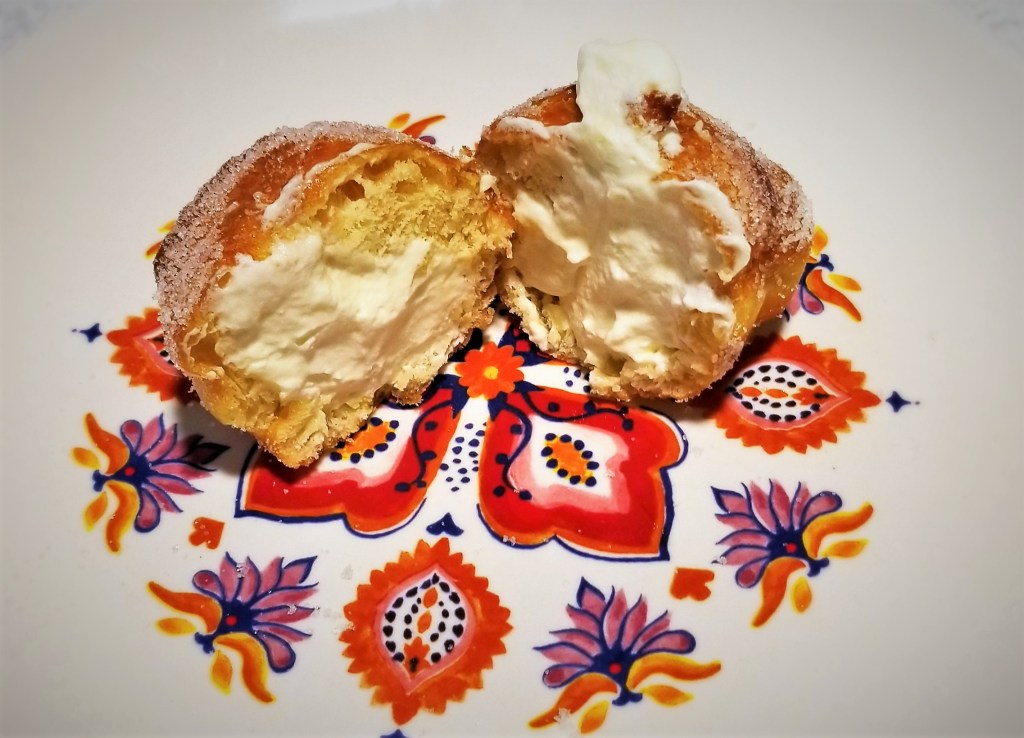
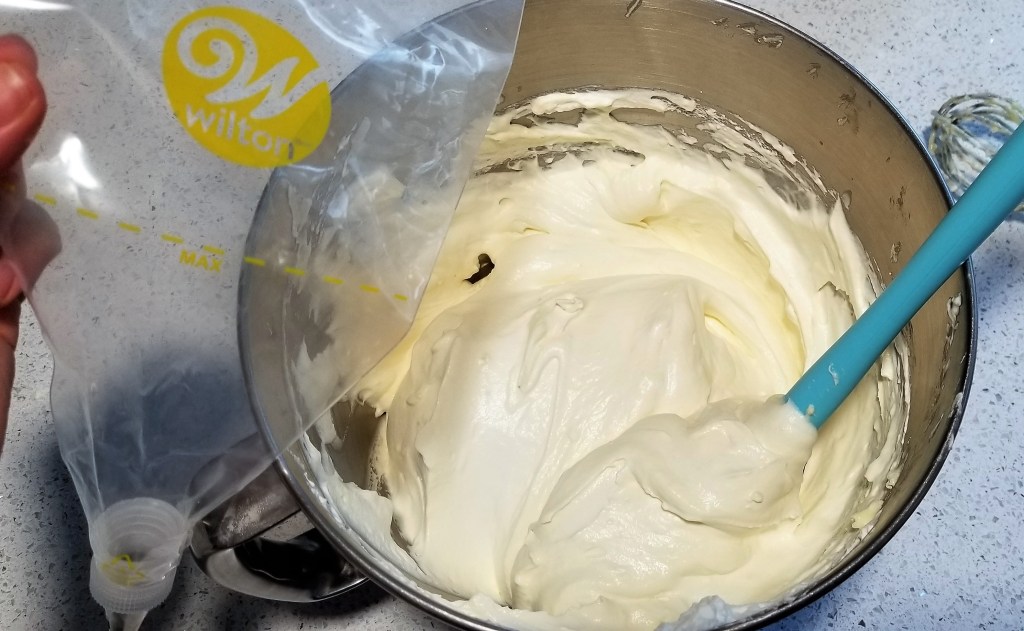
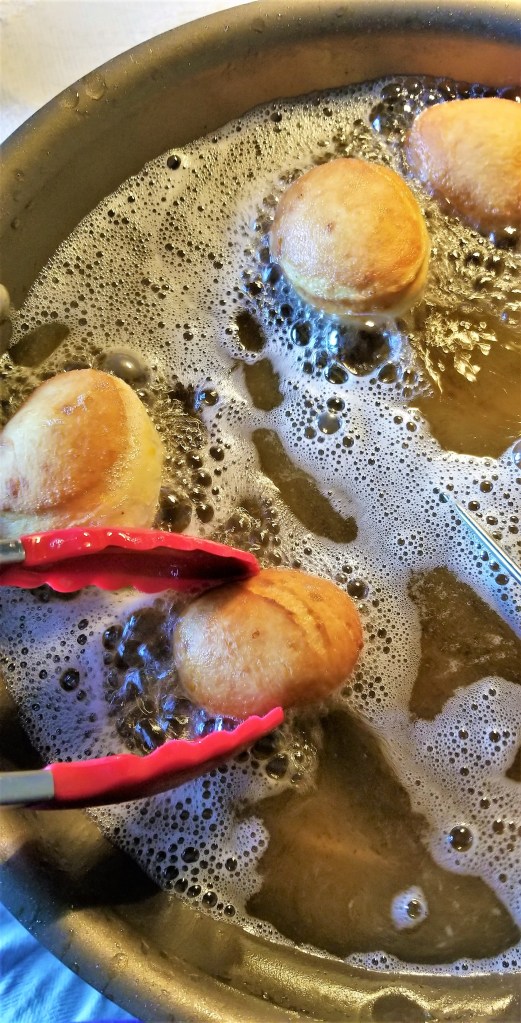
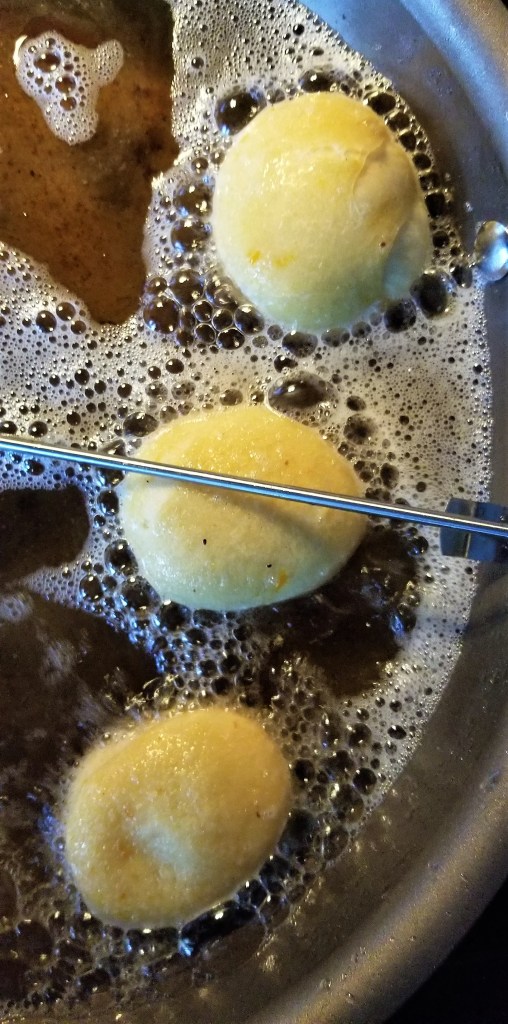
Take-Home Tips: Most recipes will suggest a lower frying temperature (about 350) but doughnuts fried in colder fat brown too slowly and absorb excessive frying shortening. Additionally because we are filling these, they need crisp shells. Soft shells will only collapse when trying to fill. Be sure to dust the flour off the rounds before frying them or the coloring will be off and the oil will darken more quickly. You may have to hold on to the doughnuts if they flip or spin in the boil, each side needs to be in the oil or it will be raw inside. When adding the filling, use a piping bag with any larger tip to fill. If you have trouble making the hole to insert the piping tip, use a toothpick to make several stabs, then another piping tip (just the tip) to expand the hole. Stab the hole in the top, visibly, rather than hidden on the side for bomboloni. Hold the bombo when you fill and you will be able to feel the sides expand and know how much cream is added. It was suggested to me to incorporate strawberries into the cream. If you decided to try adding fruit to the cream: use a large open piping tip and puree or finely dice the fruit then toss in a small amount of cornstarch and flour to make drier, to avoid excess liquid. 

Scoring: 9 of 10. These bombolone came to work with me and everyone was challenged to find what they would like to have improved and everyone insisted they were perfect the way they were. I personally thought they were the best doughnuts I have ever had. The orange (some guessed lemon based on taste) was the strongest flavor, the cream was sweet enough without being sickening but otherwise was not overly flavorful. The small crunch was desirable over the melt-too-quickly characteristic of Krispy Kreme. However, they will not survive more than 2 days and need to be refrigerated due to the cream.

I have also tried the ingredients below with similar preparation instructions, and was disappointed in the results. Consequently, I am recommending the recipe attached in the recipe card. However, you are free to try if you want.

Ingredient set not recommended:

  • 7g active dry yeast
  • 110g (1/2 cup) lukewarm water
  • 250g (2 cups) bread flour
  • 250g (2 cups) all-purpose flour
  • 75g (¼-⅓ cup) granulated white sugar
  • 100g (7 Tbsp.) unsalted butter, at room temperature
  • 7g (1½ tsp) salt
  • 1 tsp vanilla extract
  • 150g (3) whole large eggs
  • 40g (2) egg yolks
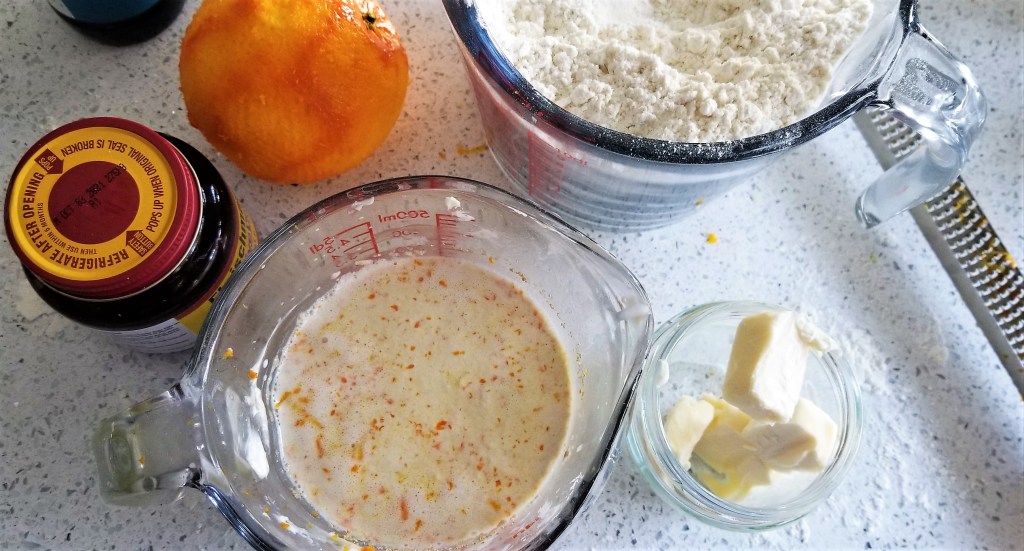
  • zest of 1 orange
  • granulated sugar, for coating

Febbraio è per l’Italia(no)

Just as German Chocolate Cake is not actually of German origin, the culinary world as misled us by claiming dishes as Italian. For example, the nutty Italian Cream Cake is famously from Texas, and possibly found in Canada in the 1910s. Likewise, the popular Italian dressing that makes Olive Garden’s salad enticing, is American made.

No worries, Italy’s long and luscious history has brought us a plethora of great desserts and savory dishes to choose from for our Italian month. The problem will be in selecting our favorite to share with you.

We have made several Italian, and semi-Italian dishes at DelightMeMonthly in the past. Biscotti is still my favorite of them all! We decided to focus on Italian-origins this month because of the association between this romantic culture and St. Valentine. It has long been a tradition in our family to make homemade pasta for Valentine’s Day and we are trilled to share this special holiday with you. Don’t get me wrong; I am not excited about cheesy holidays made popular by greeting card organizations. I am however keen on any excuse to celebrate life, love, and accomplishments.

I flipped through my Rolodex to find my Italian contacts and reached out to gain their insight into which Italian dishes are closest to their hearts.

Prepare for your tastebuds to be blown away!

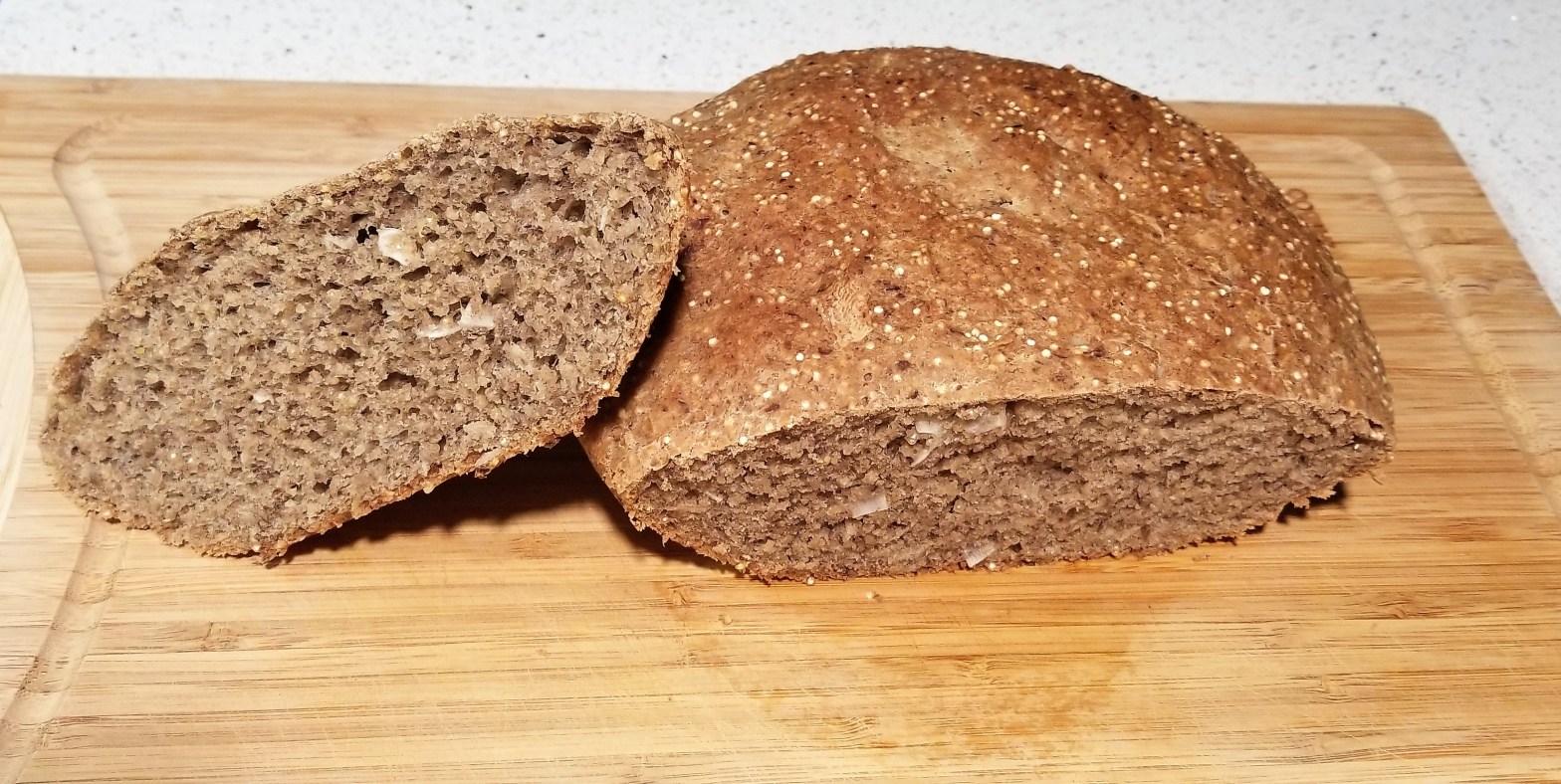
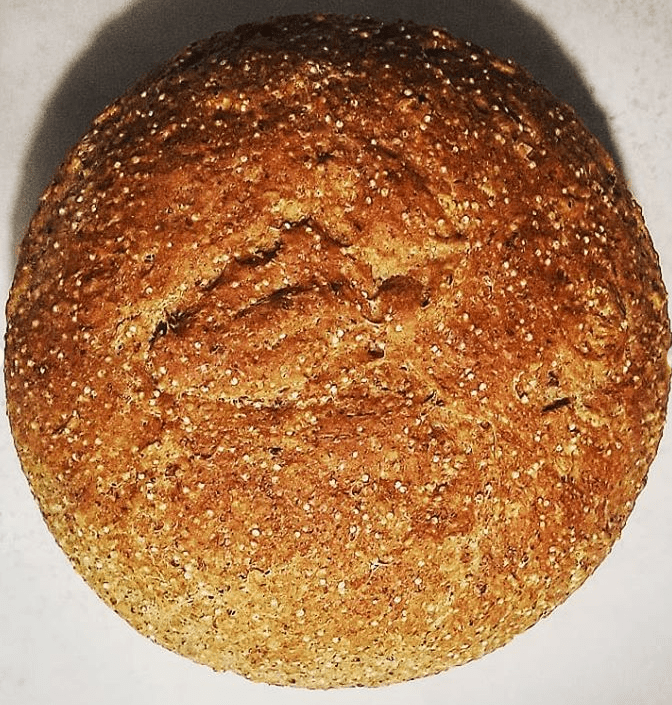
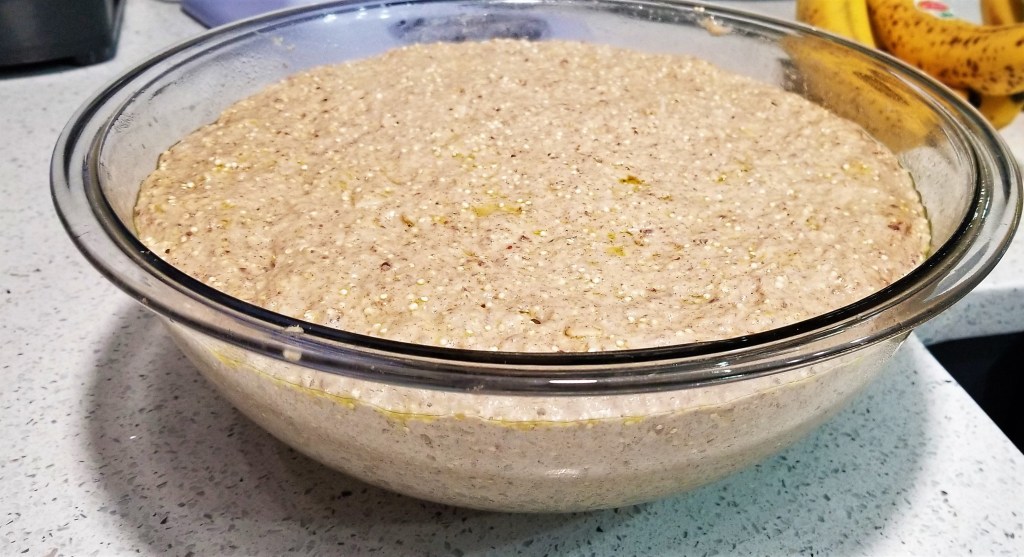
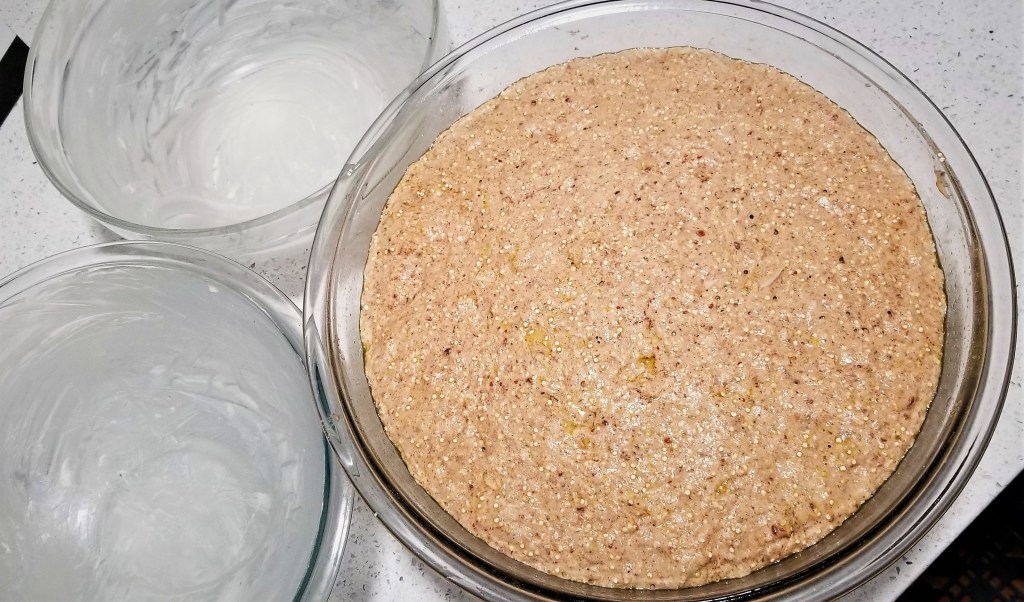
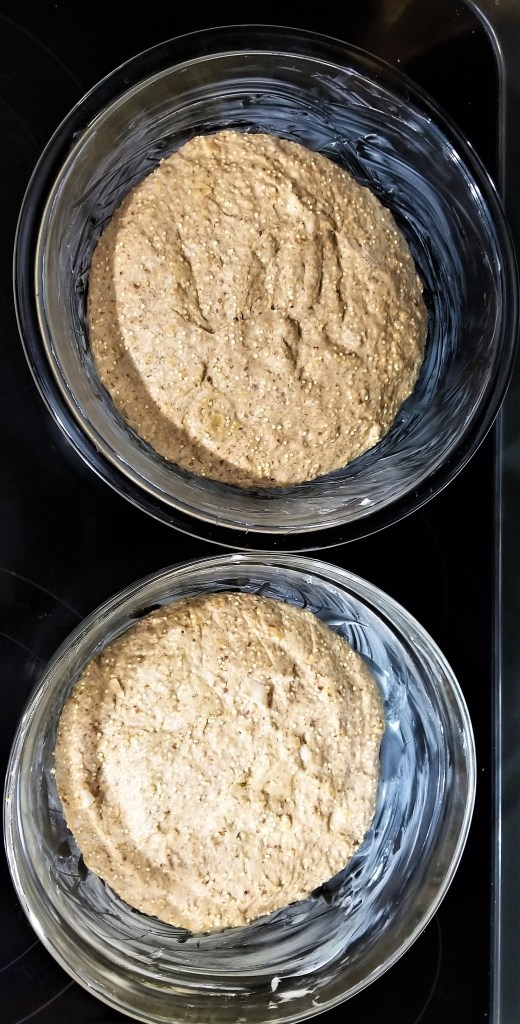
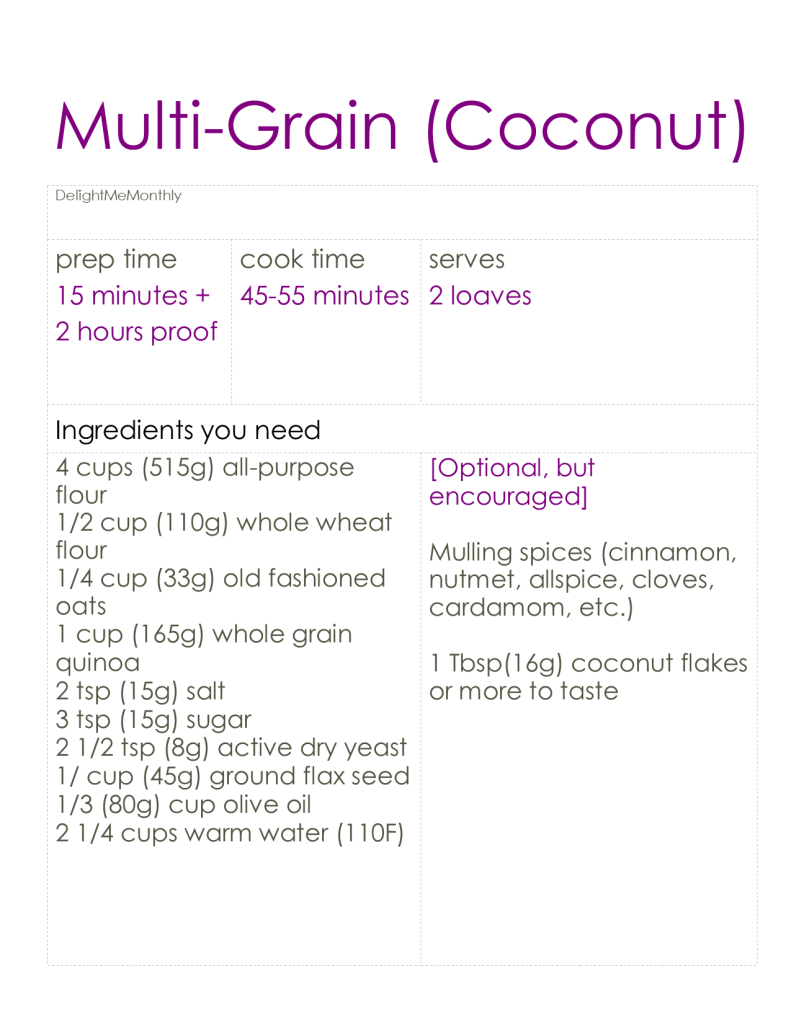
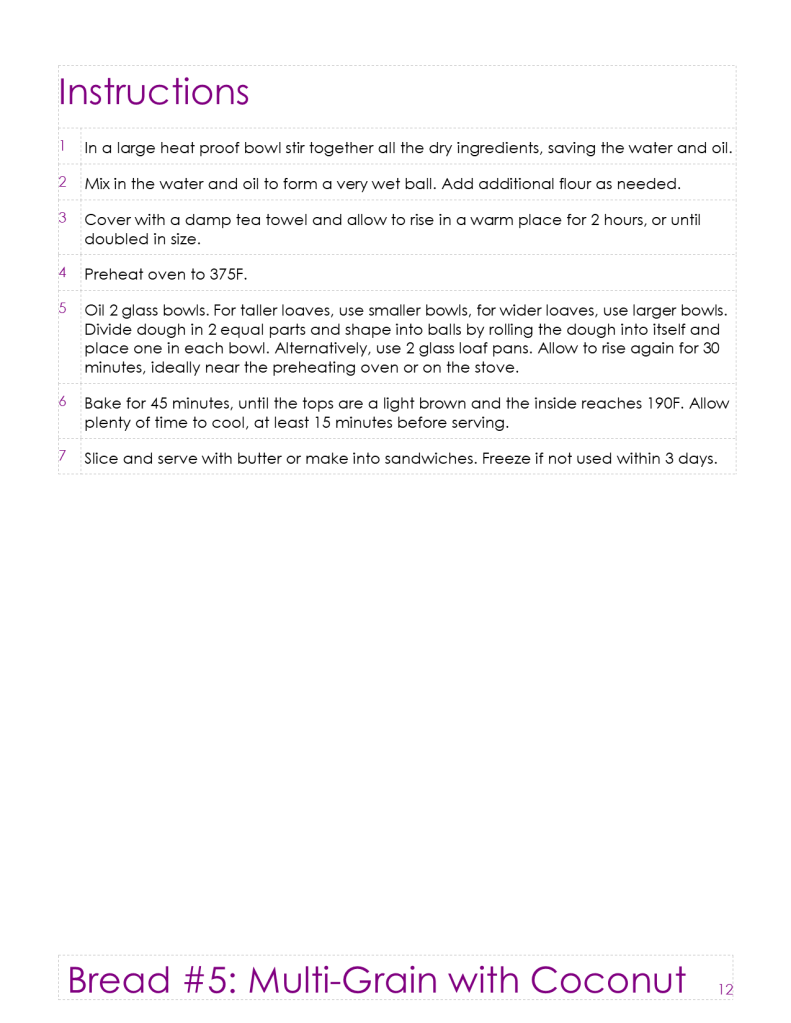
Bread #5: Multi-Grain (Coconut)

Whole grains are the way to go if you are looking for a healthier bread!

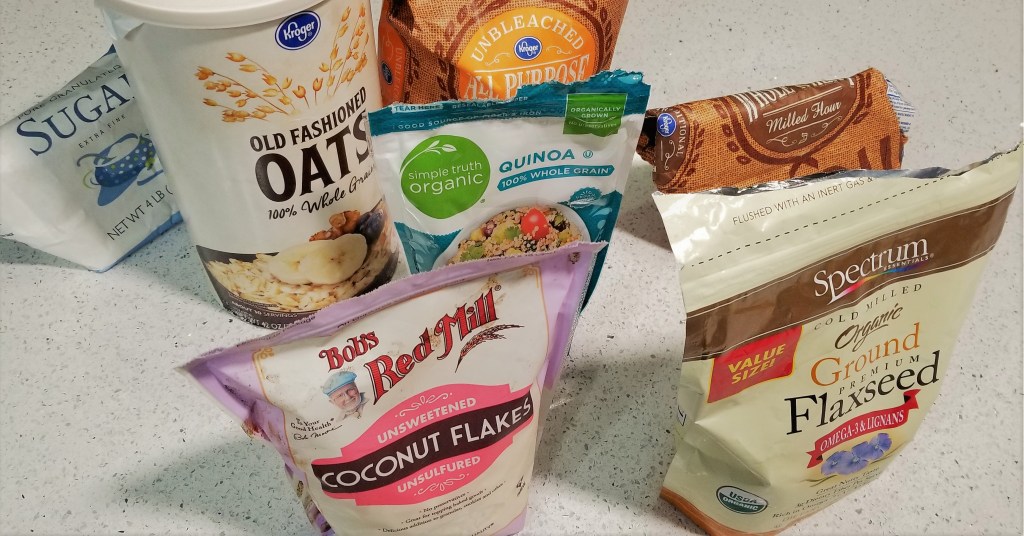
I am especially proud of this recipe because I had all of these ingredients that needed to be used and I wanted to challenge myself to make a healthier bread that tasted great. After I made the povitica, I still needed another loaf to give my friend (a mother-to-be) for her baby shower. Often the mother’s needs are forgotten while we celebrate her forthcoming baby. I had two baby showers this past weekend and I wanted to honor both mothers with their favorite food: bread. They both seriously love all forms of bread. Whenever we get together, our restaurant selection is greatly influenced by the quality of their appetizer bread. When I asked for any requests they had, they both requested surprises because they have never met a bread they did not like. I thought that was so sweet.
The povitica is a fairly sweet bread, very chocolaty, however I knew which future mom was getting this multi-grain bread the moment I tasted it. They both had long drives home after the shower and needed sustenance to get them through it.

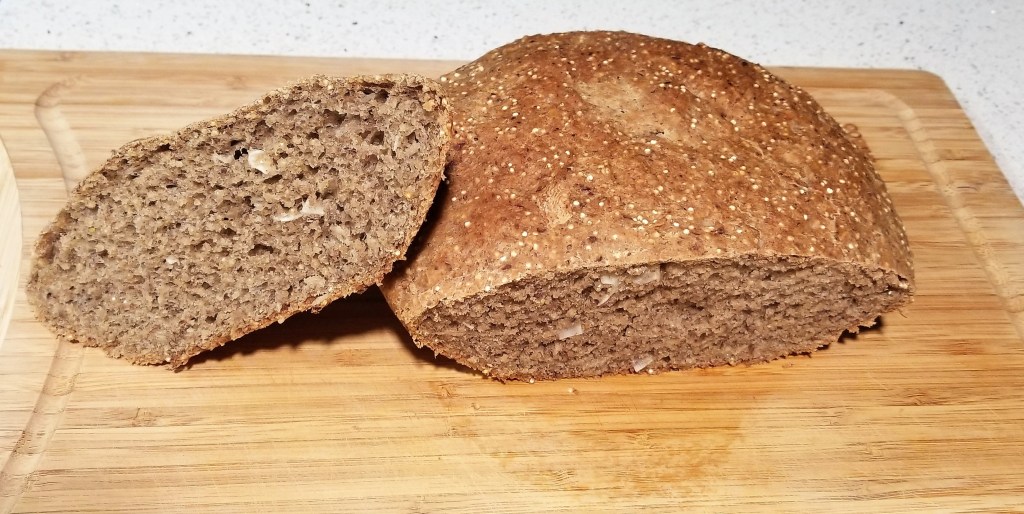
Since I shared this loaf with a bread-tasting-connoisseur I felt confident that if she ate it everyday this week, only adding butter, then it is not just me who praises it. If you are looking for something with some protein (~3-5g protein depending on where you are in the bowl loaf), and plenty of fiber, then this is a great way to achieve your goals.

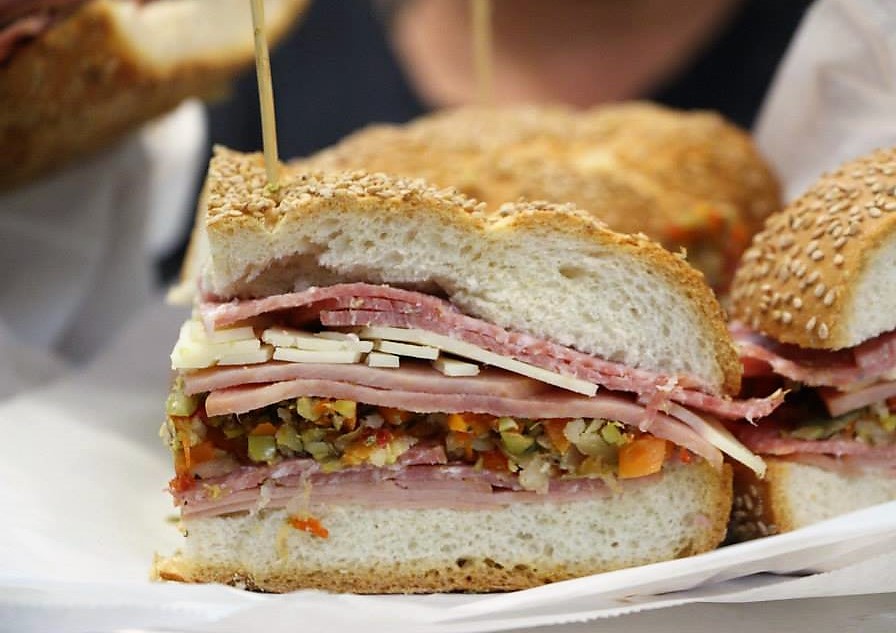
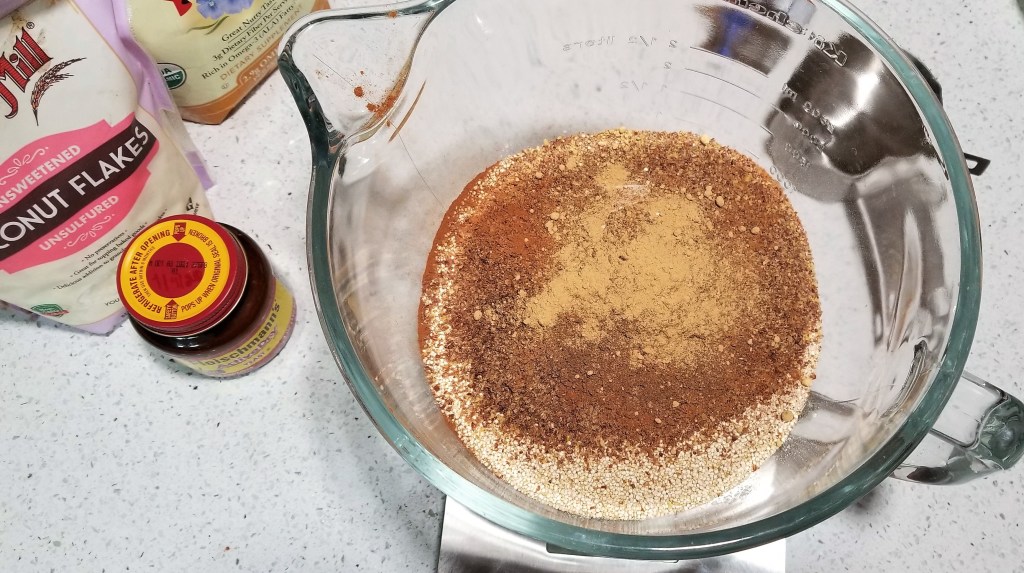
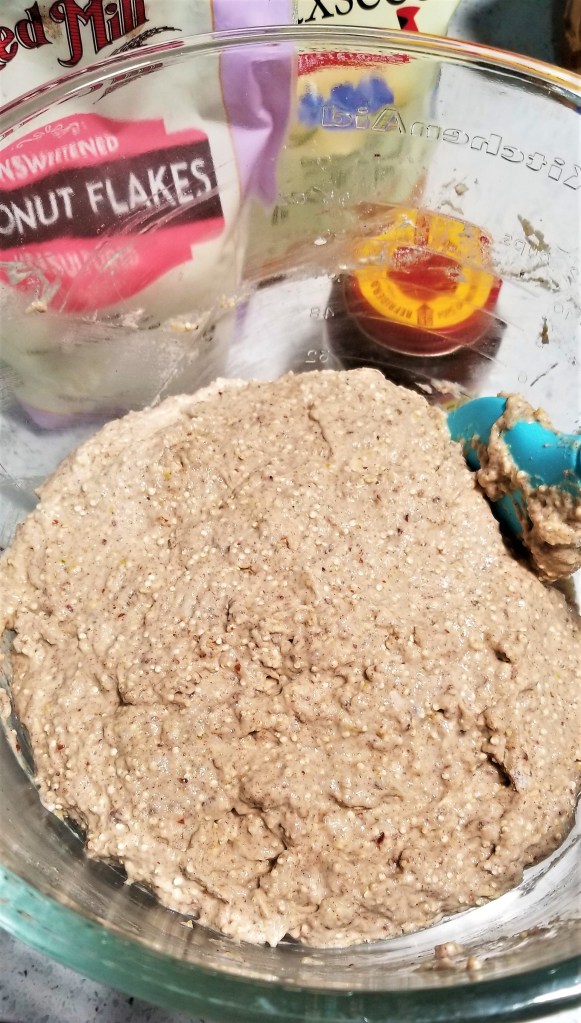
Take-Home Tips: Never let a bread recipe keep you from adding honey. If you are feeling honey, which might be a sweet addition to this recipe, then you feel free to add a couple of tablespoons, or maybe even 1/3 cup. I did not put a measurement by the spices, because I feel like you could not possibly overdo it with such a grain-packed recipe. I put about 1/8 cup of a mixture of spices, and would recommend more than that. If you or your recipient does not like coconut, please omit the flakes. Even if the taste is not strong, the texture is still there and they will not enjoy. Instead, switch out for the honey. This is a great sandwich bread, and we made several pastrami/muenster sandwiches. It also freezes well and tastes fine when thawed. Of course if you prefer a traditional loaf pan, you will be able to switch out the bowl for a glass loaf pan with no problem.
Scoring: 8 of 10. The texture is enjoyable without being crunchy. The loaf did keep a solid consistency and does not crumble much. However, when sliced too thin, it did break into pieces when we made sandwiches. Best when warmed, grilled, and with butter or lunch meats.

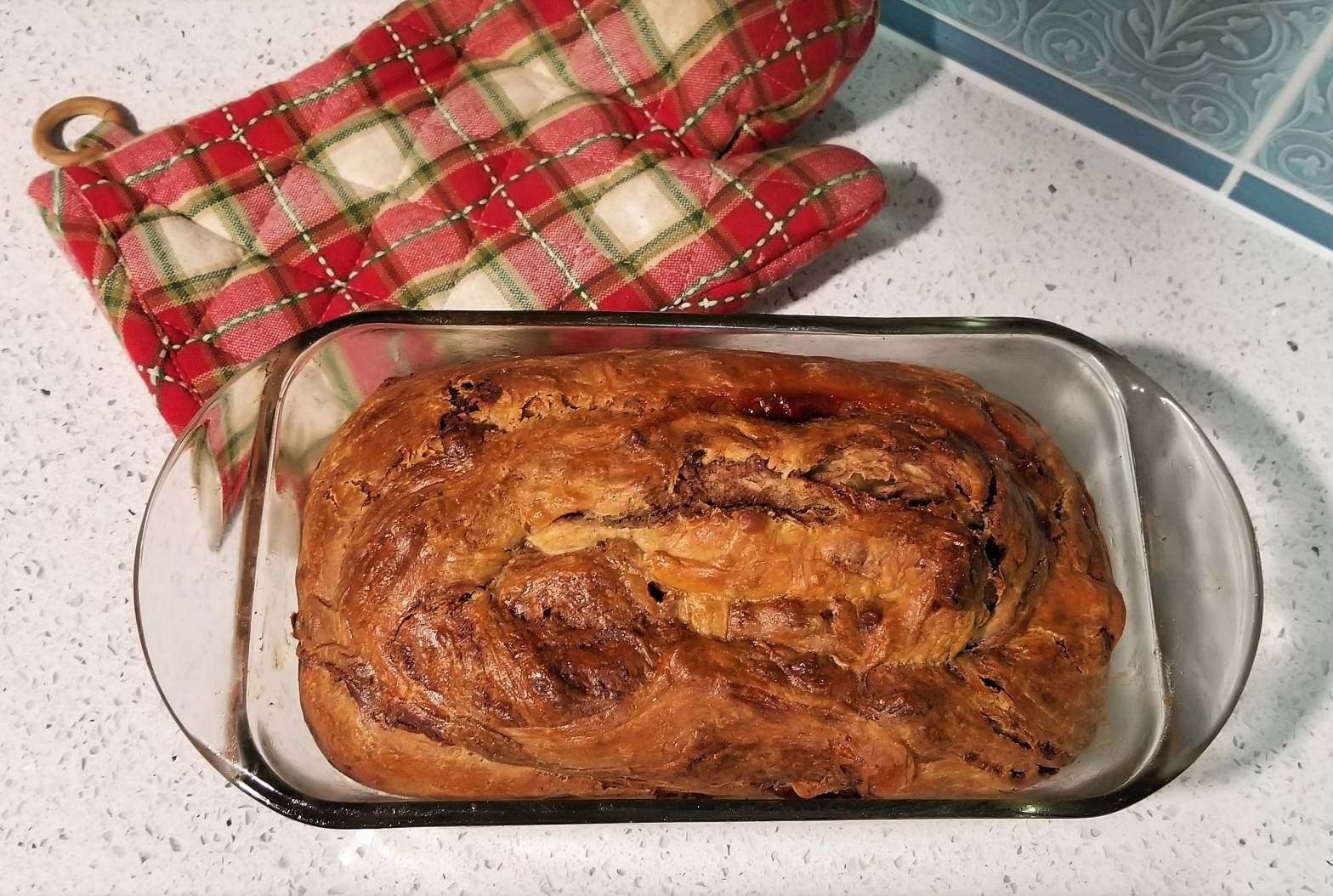
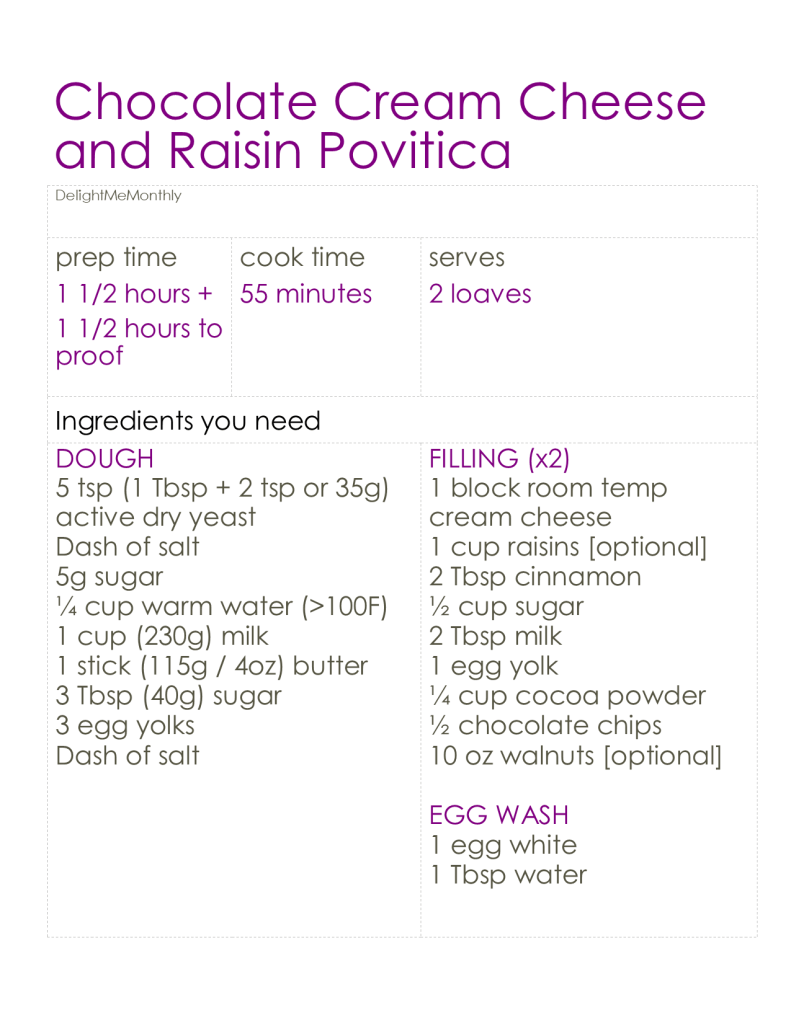
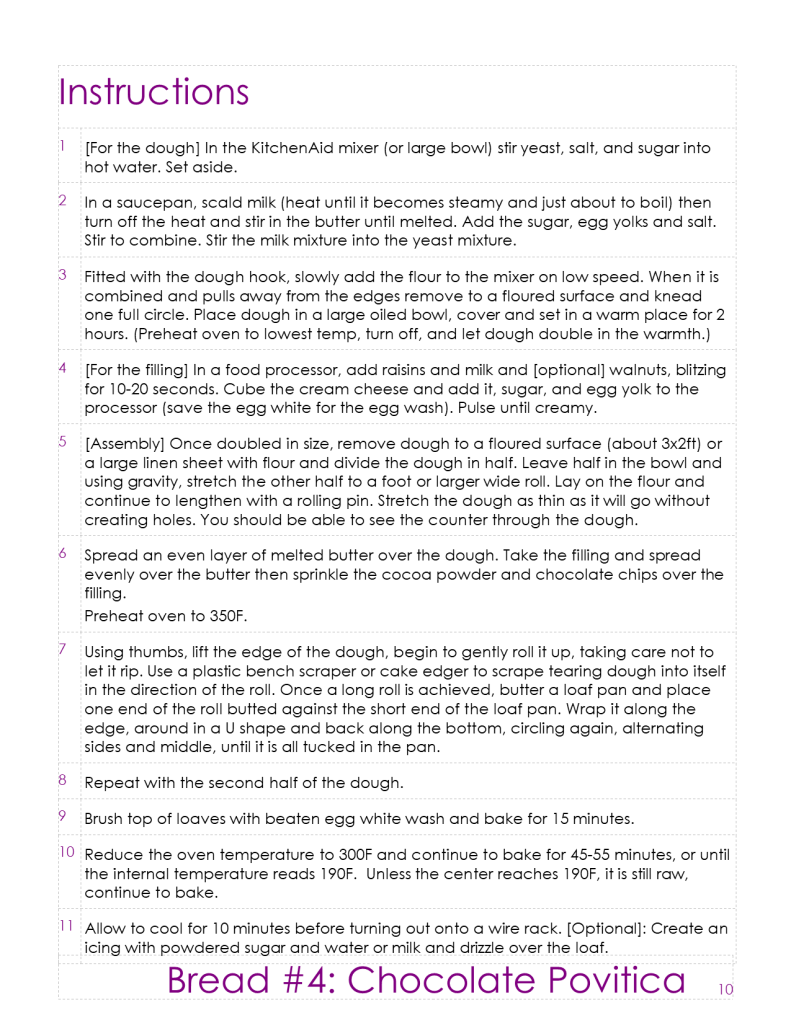
Bread #4: Chocolate Cream Cheese and Raisin Povitica

Poviti: to wrap (Croatian)

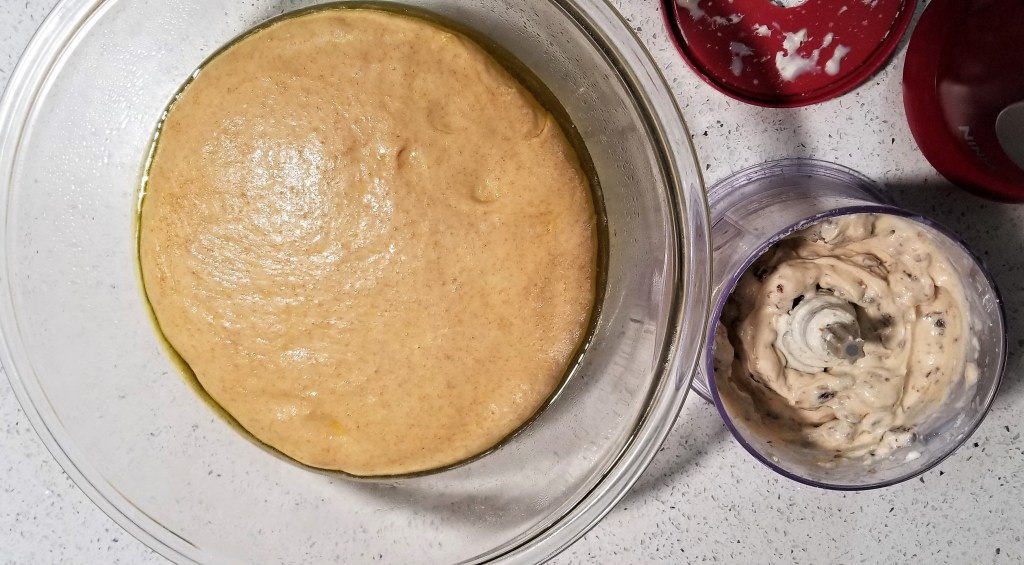
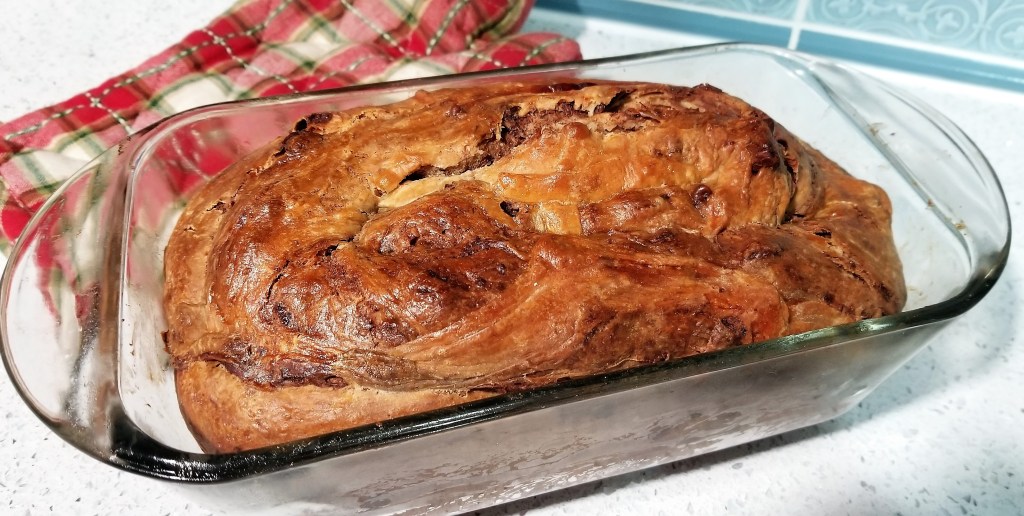
I’ve now shared this Povitica (Pov-ee-tee-zah) with numerous colleagues, family and friends who previously were unaware of such a scrumptious bread. When I was deciding which breads to make this month my husband requested babka, but the kind that is swirled and wrapped over itself. I kept thinking that his description did not match what I thought of as traditional Polish babka. It finally occurred to me that he meant povitica, which is similar to a version of babka.

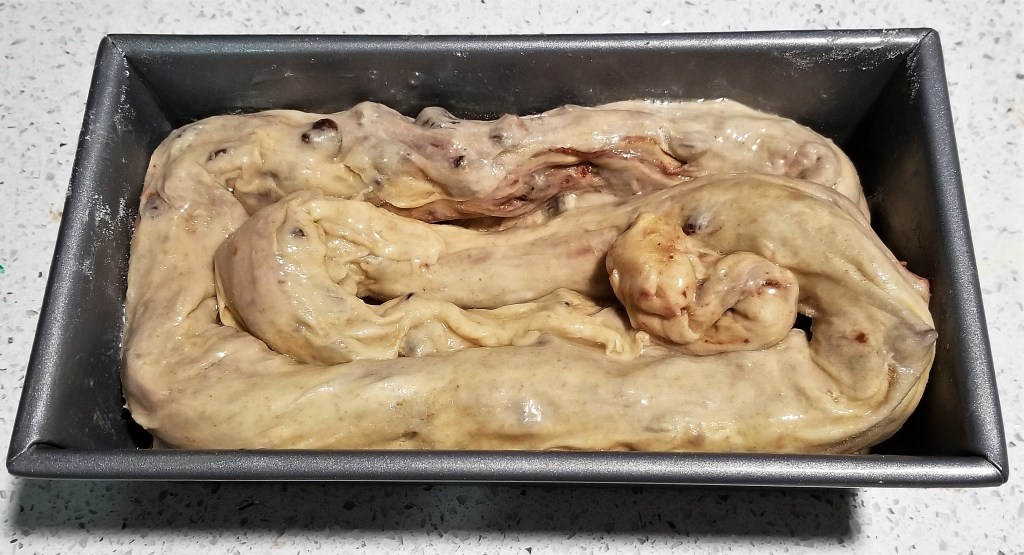
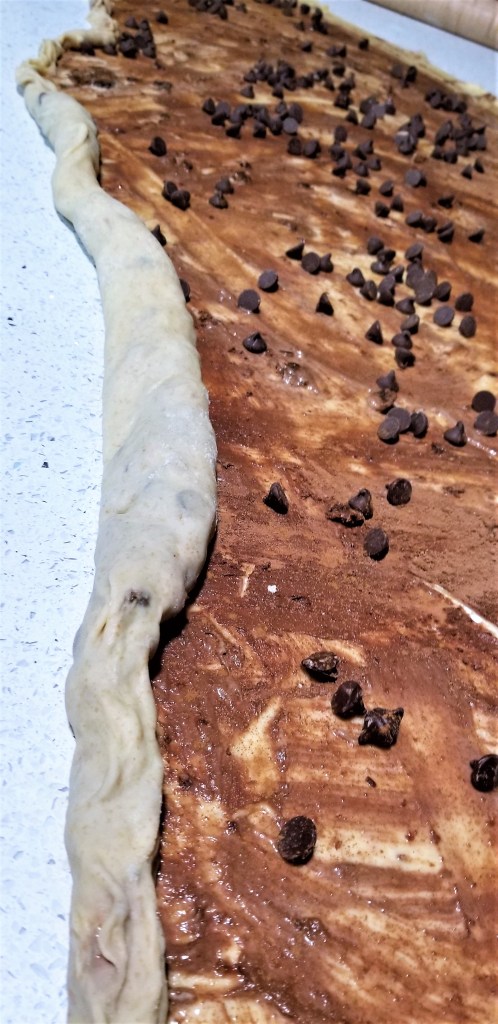
Traditional Polish babka is actually made in a babka (bundt) pan and is more cake like than a bread. The kind most people are familiar with comes out with the zebra lines and swirls of a braided bread. A povitica is formed similarly, however typically in a long rope and either cut and twisted, or folded over itself in a U-shape and baked in a loaf pan. Usually chocolate, walnuts and raisins, or similar dried fruit is stuffed in the middle; helping to keep this on the bread side, rather than cake side of the line.

It’s a snake!

Late one night, I really wanted to make this bread. It can be a little irritating to roll back up, but the whole process is a huge stress relief. Eagerly, I searched my pantry for apricots to make an apricot, cream cheese, and cinnamon povitica, but it was not to be. We were unfortunately relieved of our apricots. Sad night. However, I was determined to have some swirly bread all the same. We recently purchased 7 bags of chocolate chips for $0.49/ each and broke open a bag for this subtly sweet chocolate bread.
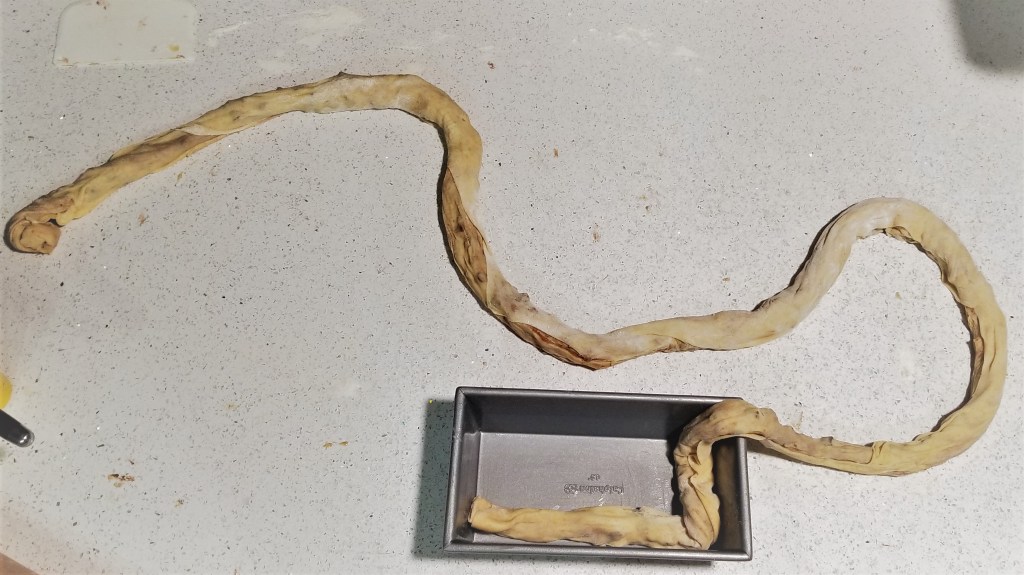
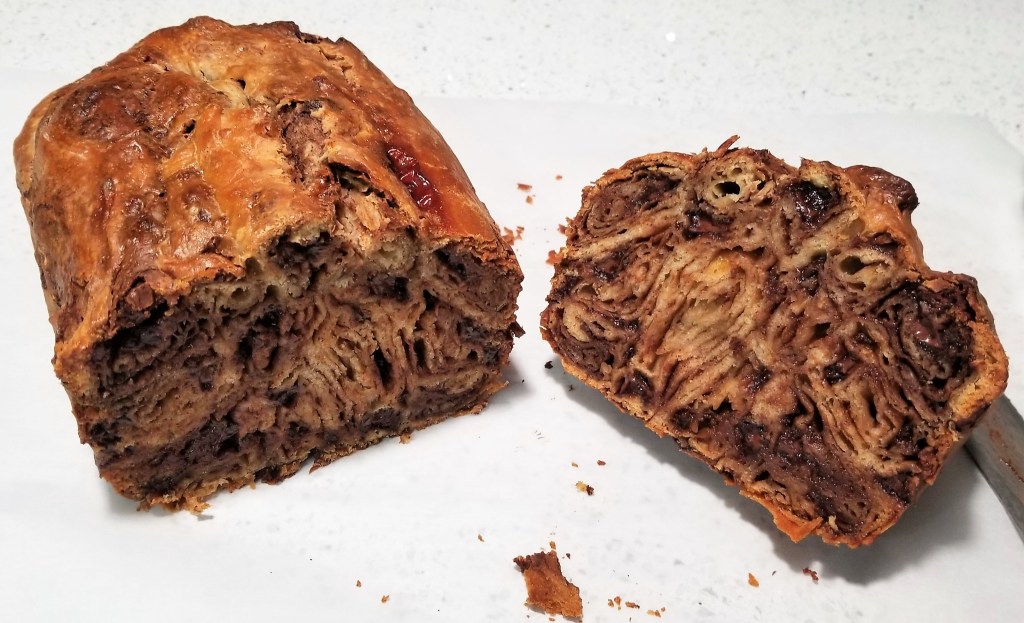
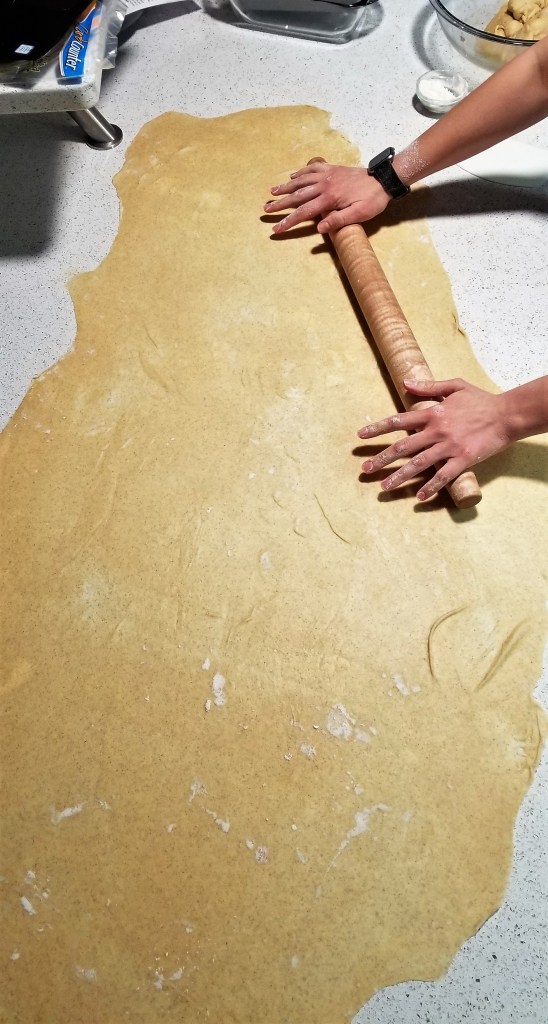
Take-Home Tips: Don’t over stress about tears in your dough, although you should try to avoid. When the dough bakes the tears will not effect taste or bake, only visual appearance. If you are not a fan of raisins, that is alright, leave them out or ideally replace with nuts or other dried fruit. The thicker your filling, the more idealistic your swirls will be; meanwhile the thinner your dough and filling, the more narrow and blurred your swirls will appear. When rolling out the dough: if using a bed linen, flour it and use it to roll up the dough for even swirls; if straight on the counter, continue to replace the flour between the counter and the dough by lifting part of it and stuffing some under to keep from sticking. If you do not want a thin or long dough, roll the dough out then fold it over and roll to merge the layers before adding the filling.

Scoring: 8 of 10. This bread grows on you and is more enjoyable the more consumed. I prefer it room temp or chilled, but most people enjoy warmed with butter. It holds together well as a loaf/slice, however it was very chocolatey.

Design a site like this with WordPress.com
Get started