
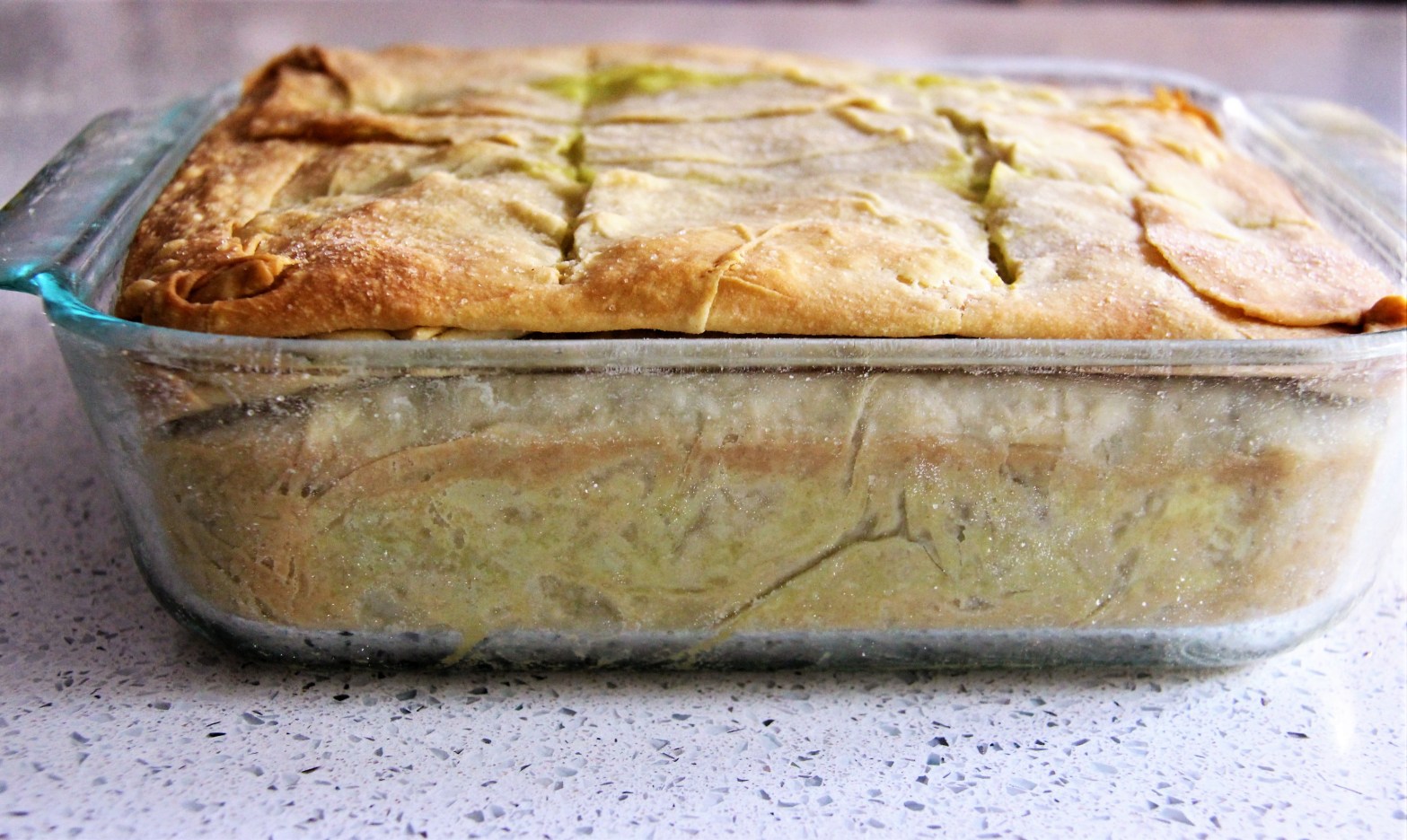
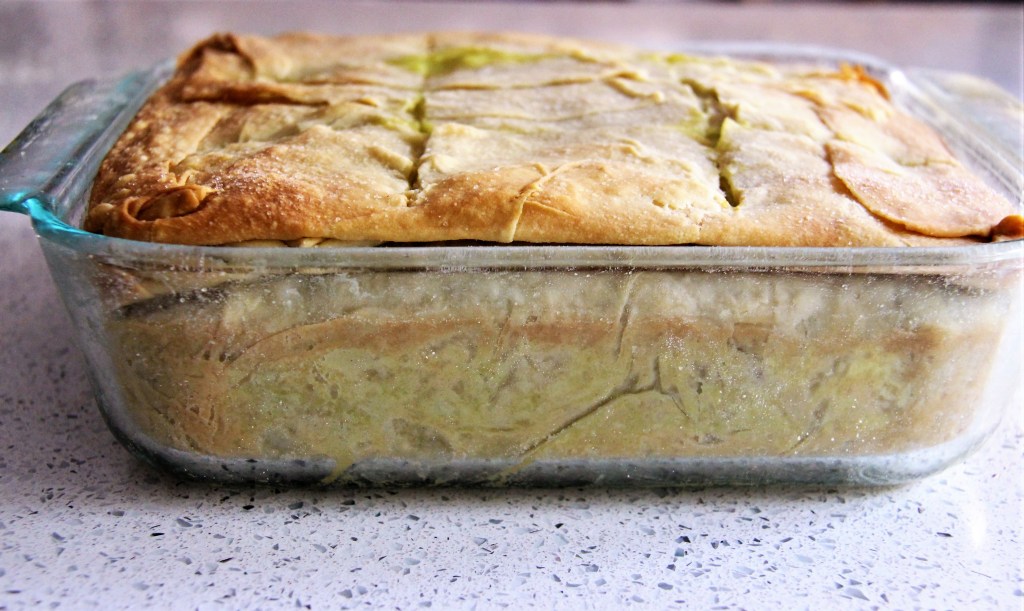
The moment I mentioned filo pastry to my husband, he insisted I had to make spanakopita. To him it was a fact as clear as the big E at the eye doctor. The spinach pie was a gateway for my leap into the Greek food world as a young person and we were all surprised that I favored it immensely. If you are ever in Savannah, Georgia, there is a Mediterranean restaurant (Olympia Cafe) on the end of River Street that I recommend to any visitors. When I get the opportunity to pop down there, I make that a must-stop. I always get the spanakotiropita and can never get enough of it.
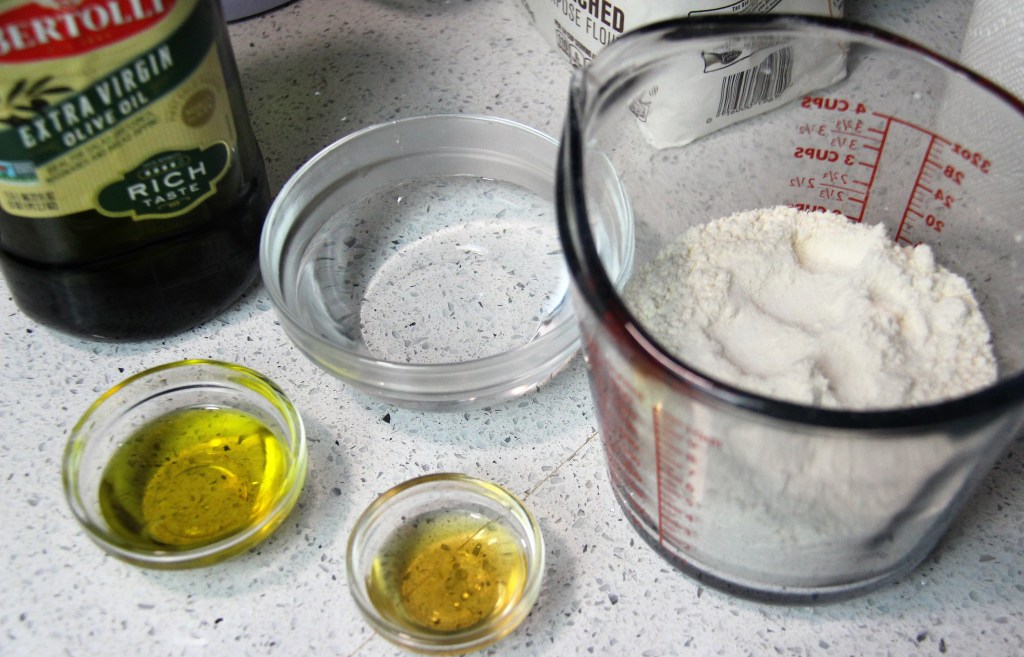
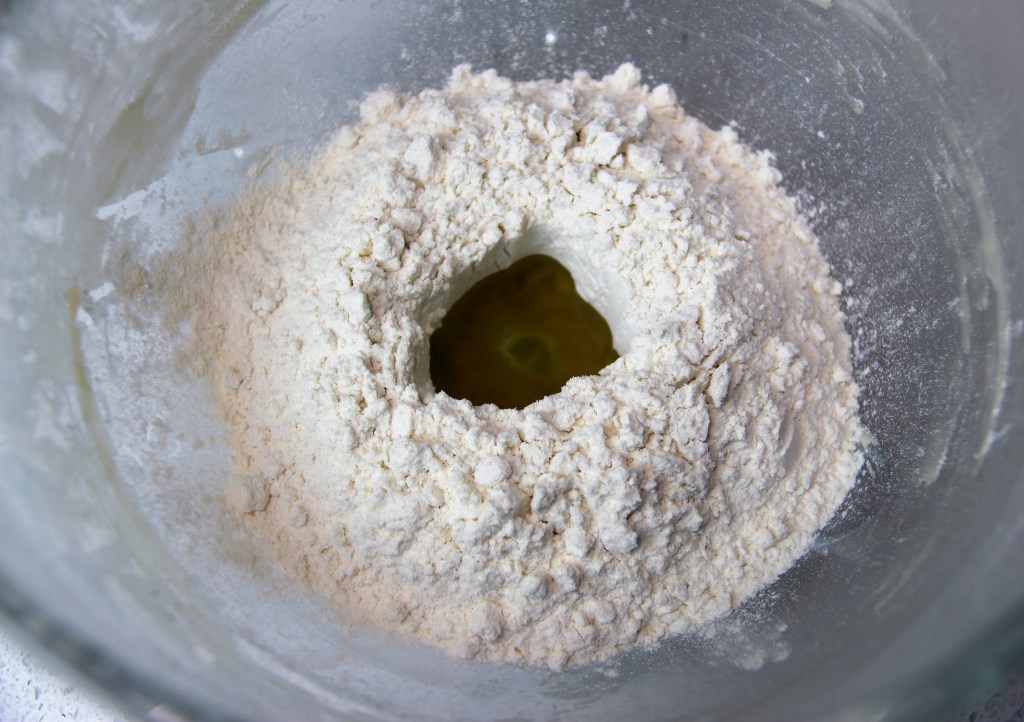
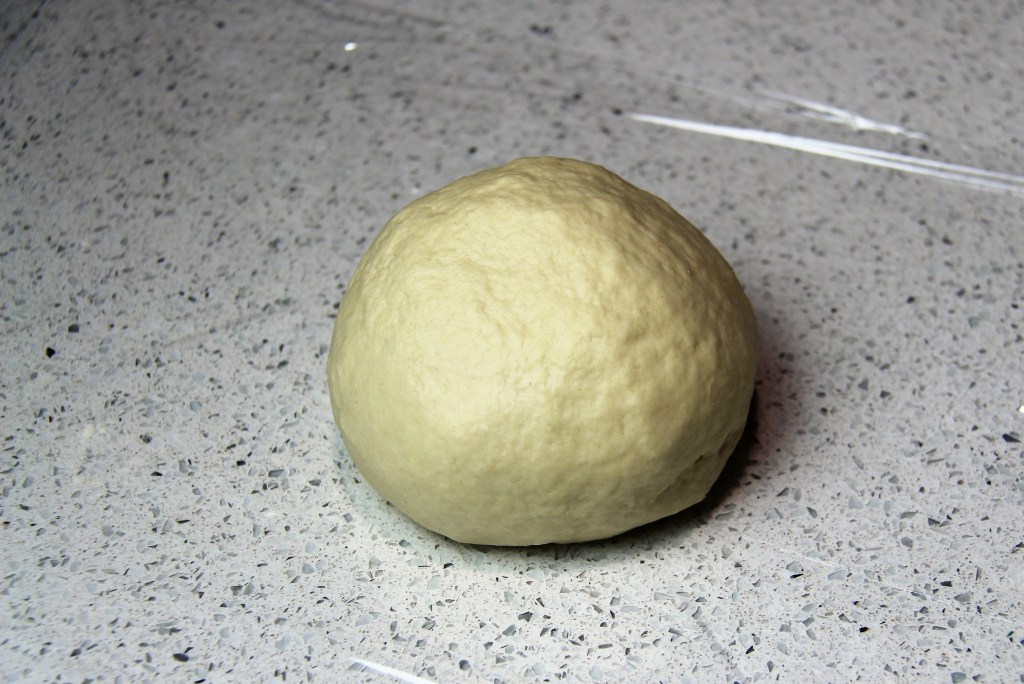
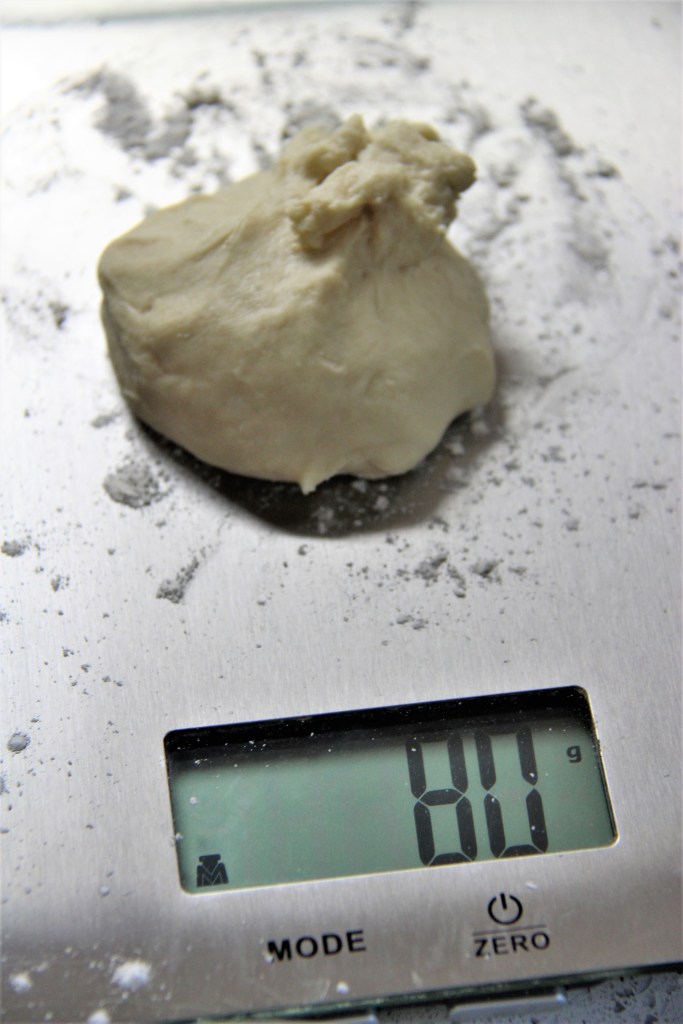

Finally, my husband pushed me to use pastry month to make it at home. I am not disappointing and am considering making more and freezing it for future cravings. Technically this recipe is for spanakotiropita as it includes lots of cheese.
It was such a challenge to find a recipe online that included making the dough from scratch too. After hours of searching, I resolved to write my own as I taught myself how to make it. Thankfully restaurants write their ingredient lists under their spinach pie titles and I added very little else in the way of spice. Feel free to ad in all your favorite Greek spices to the filling (marjoram might be good too)! If your goal is quick and easy, sure, go ahead and purchase the frozen filo dough to layer. I do not like the taste or texture of the frozen filo and opted to prepare my own.
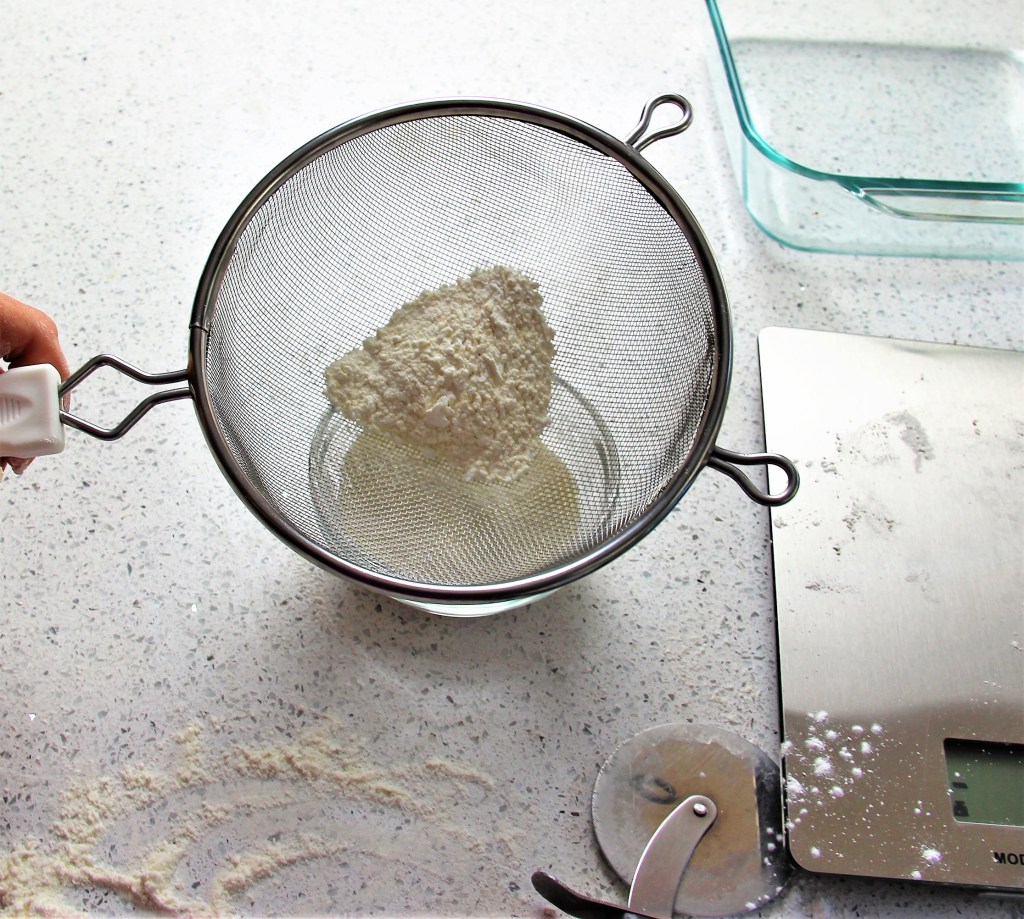
Cornstarch mxture 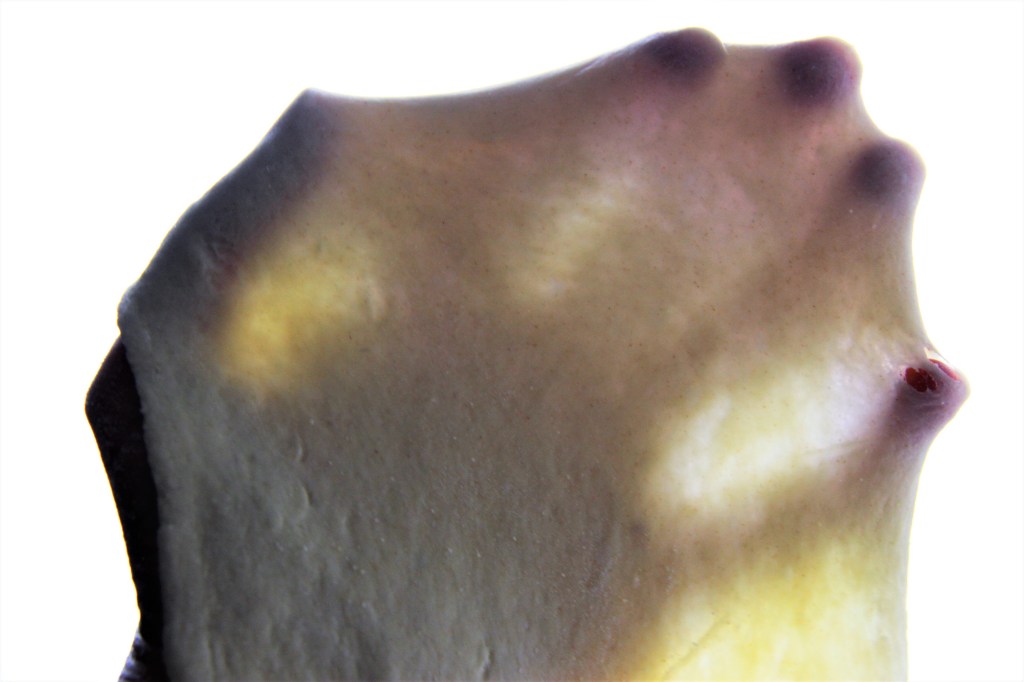
Thin enough to see through 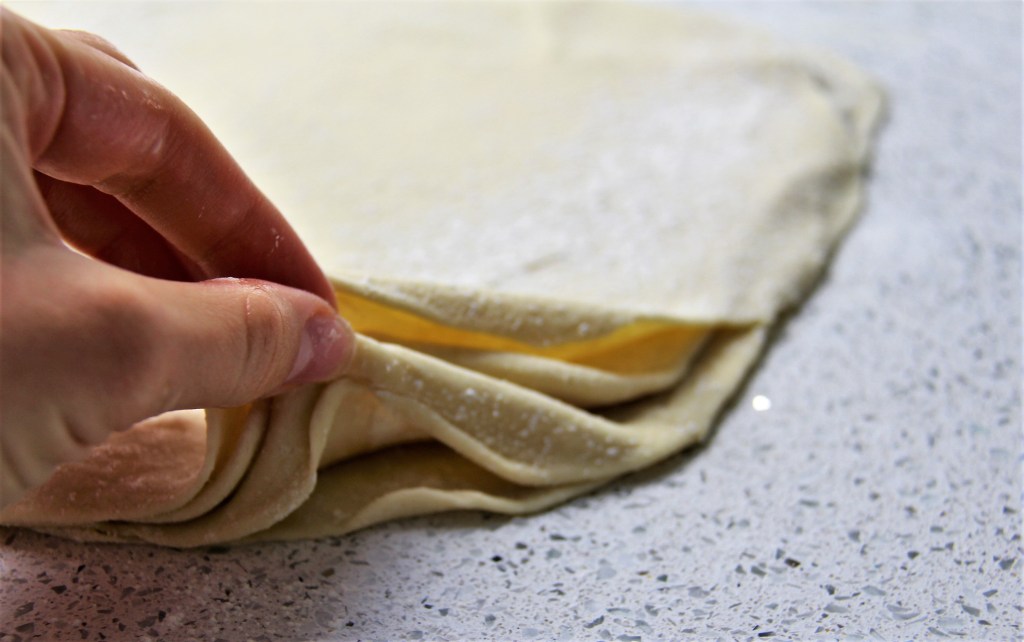
4 layers 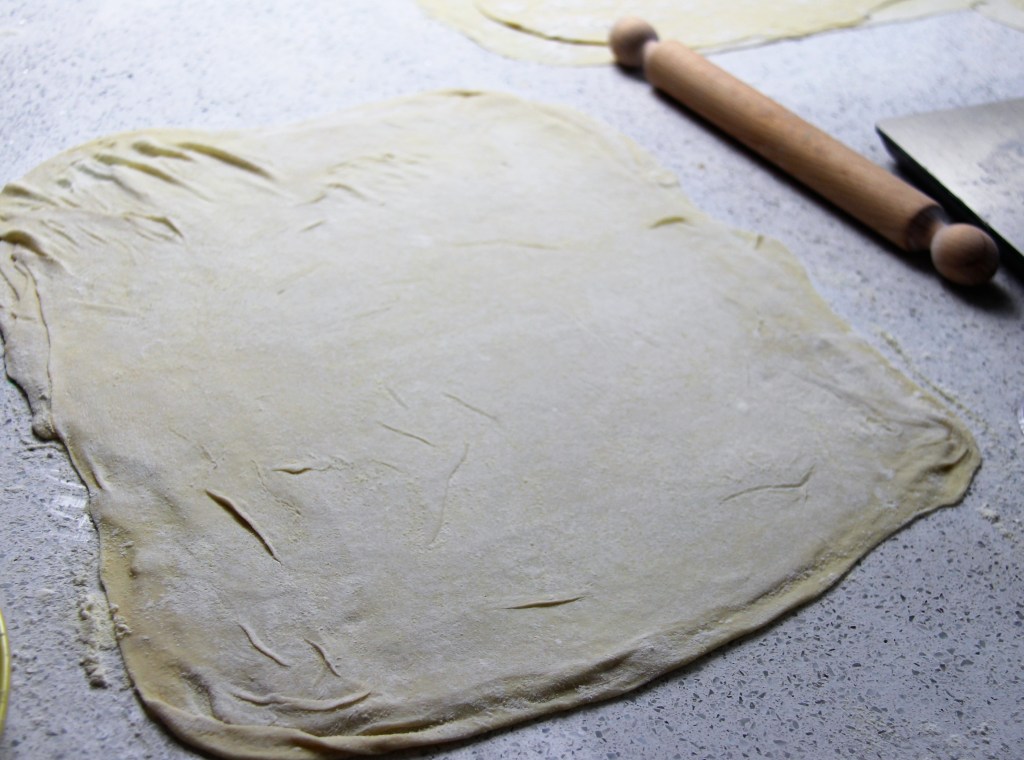
Layer pile
There is a stigma that because the layers are extremely thin that filo dough is challenging to a point where it is not worth trying to make. I have never found this to be the case. The layers do need to be rolled out to a see-through thinness, but that is not as difficult as it may appear. Do not be afraid based on what you have heard.
A fantastic way to try making filo for the first time is to use it for spanakopita! When making filo for a Greek dish, I think it is only right to call it phyllo as filo is British. No other differences. Great, now that we have switched languages, I will point out that even if there are holes in a couple of layers that is alright because there are enough layers to support and retain the filling. With other dough and pastries, when a leak is sprung, then there is a visible hole. This is not the case with phyllo. When there are back ups to the shell, it is more difficult to notice holes and for contents to seep out.
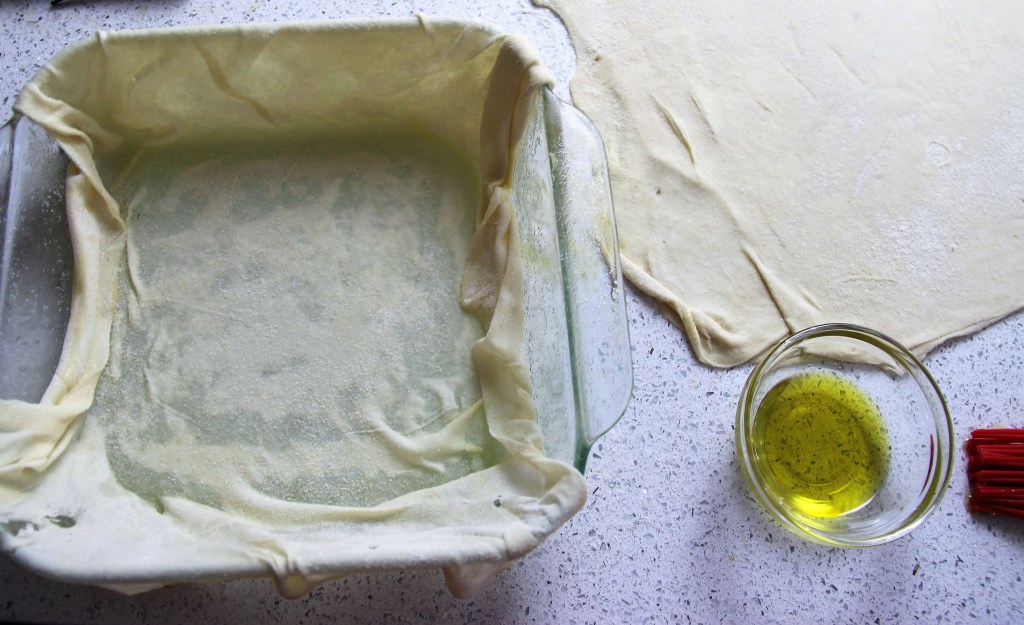
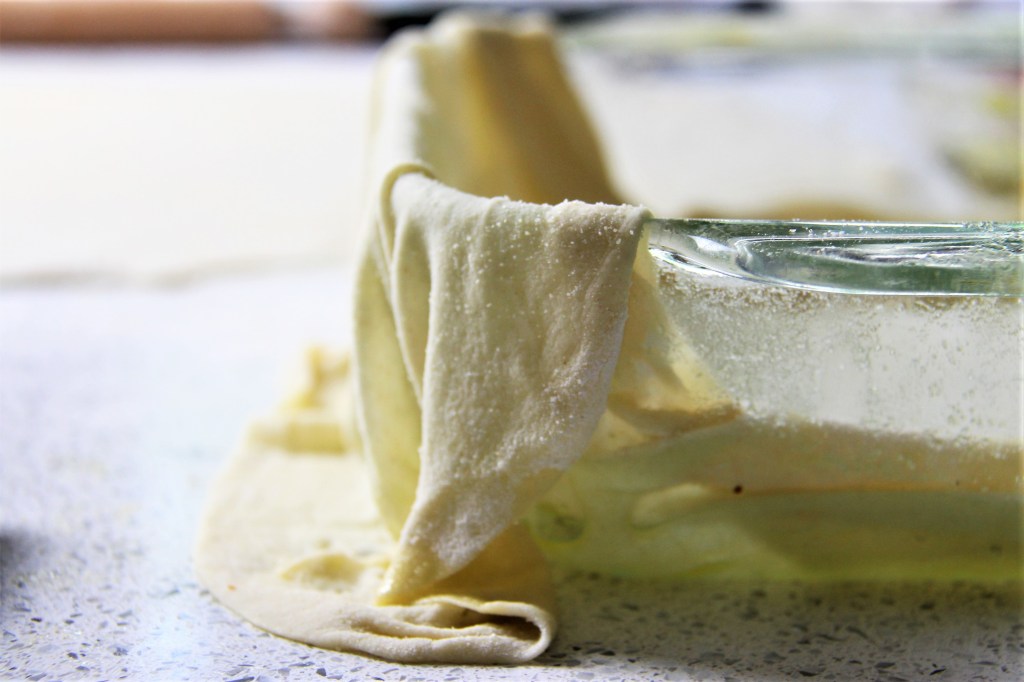
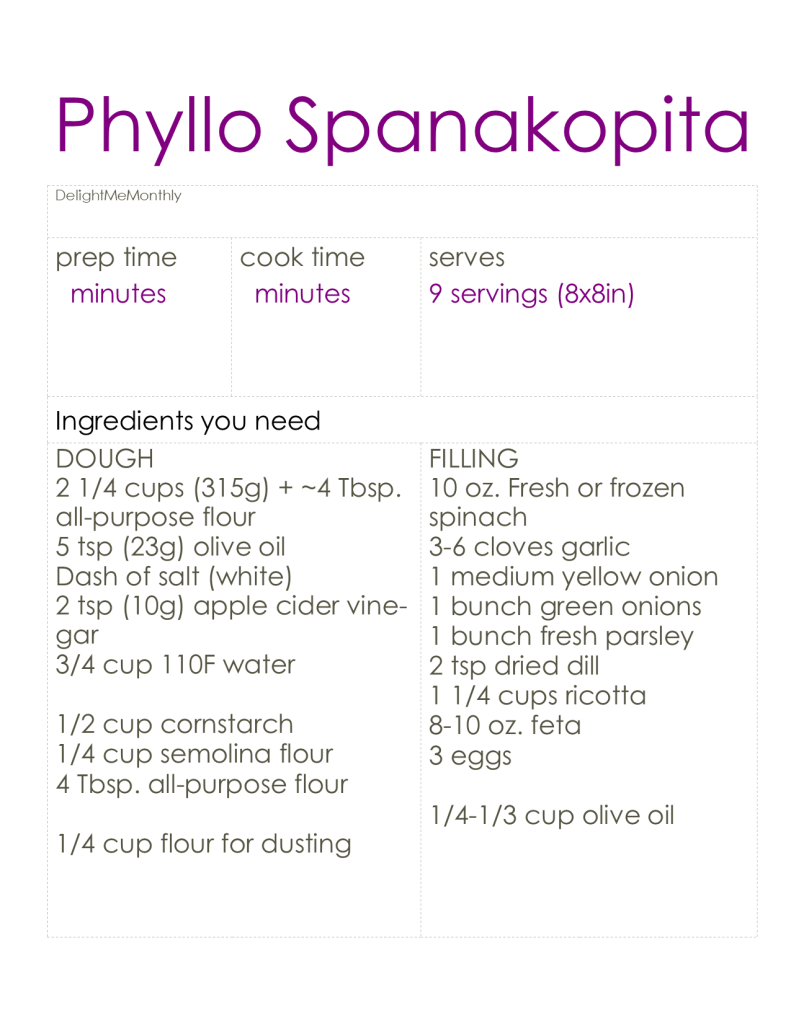
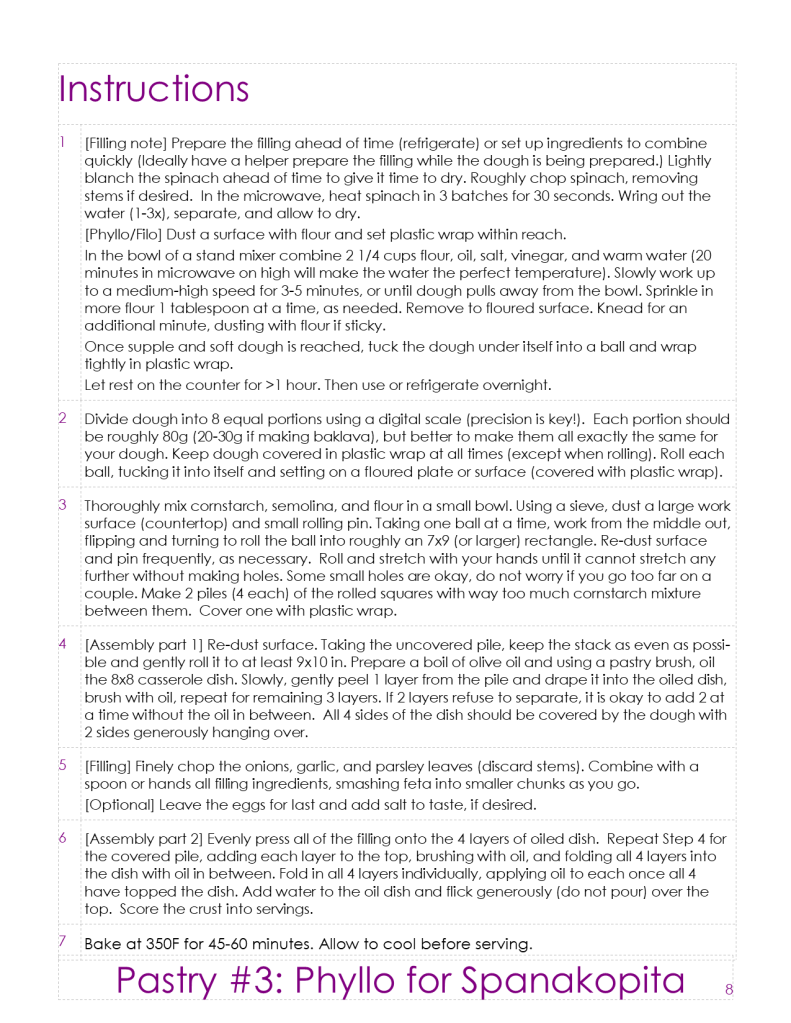
Now that you are brave enough to give it a go you can take the phyllo recipe below and use it for your other phyllo or filo needs. The dish you want to prepare will determine the size of your dough balls. I note in the recipe that for baklava specifically, the dough should be weighed to a lighter amount. The size of the dish dictates the weight of the dough. Many people make spanakopita to feed a whole family and need a 13×9 or baking dish size for a large batch. Increase the amount of dough and bake the full 60 minutes if you need to prepare for any larger baking dishes.
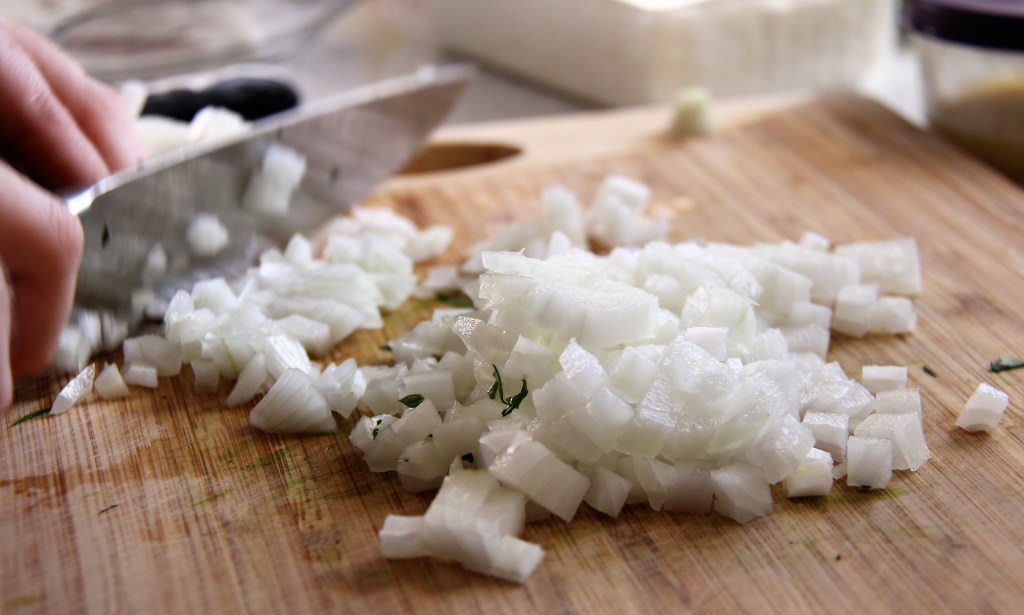
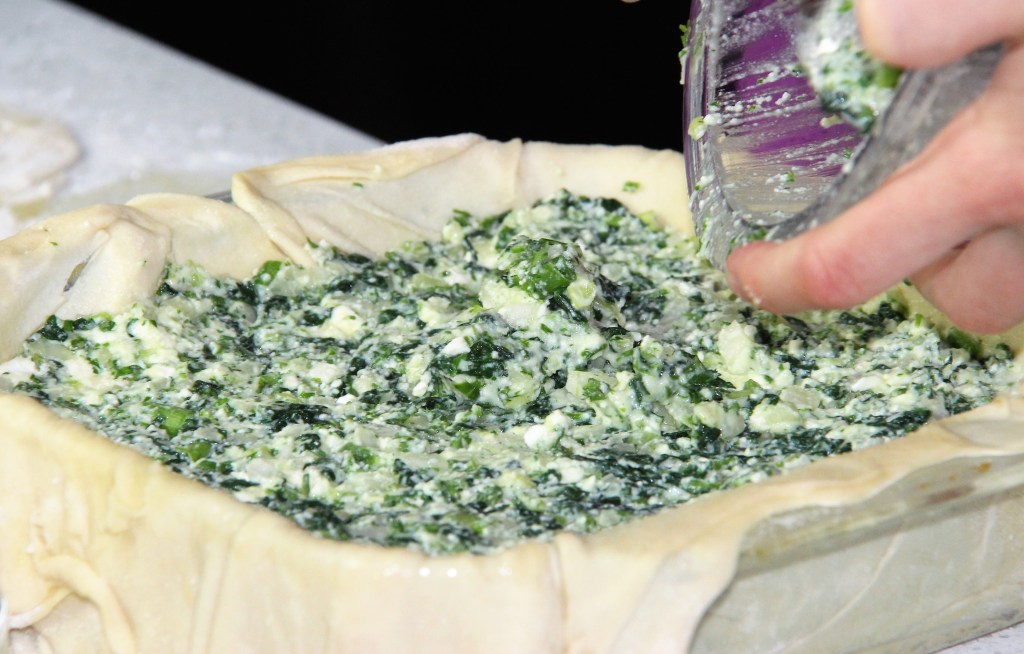
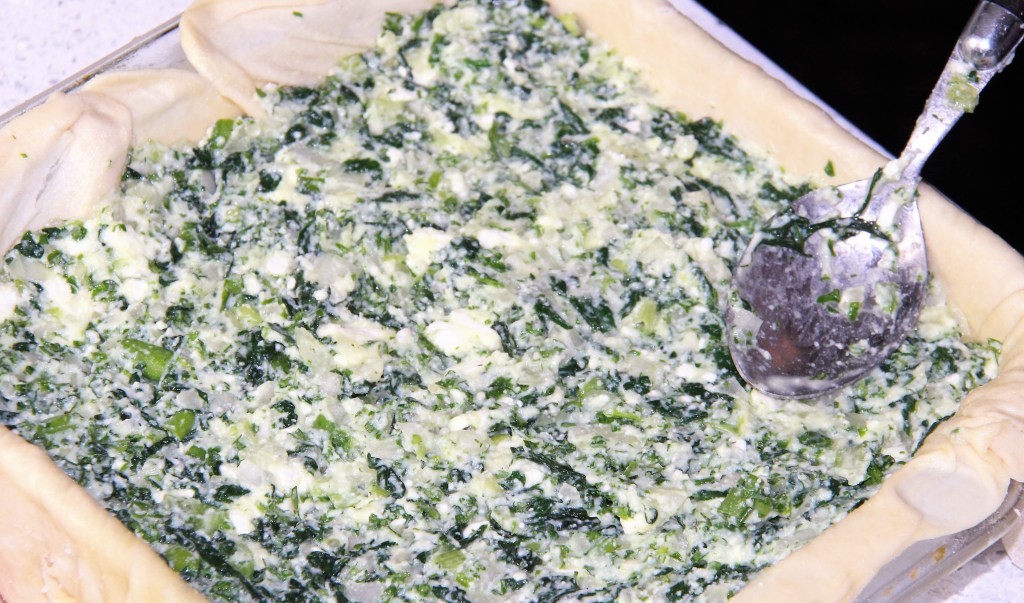
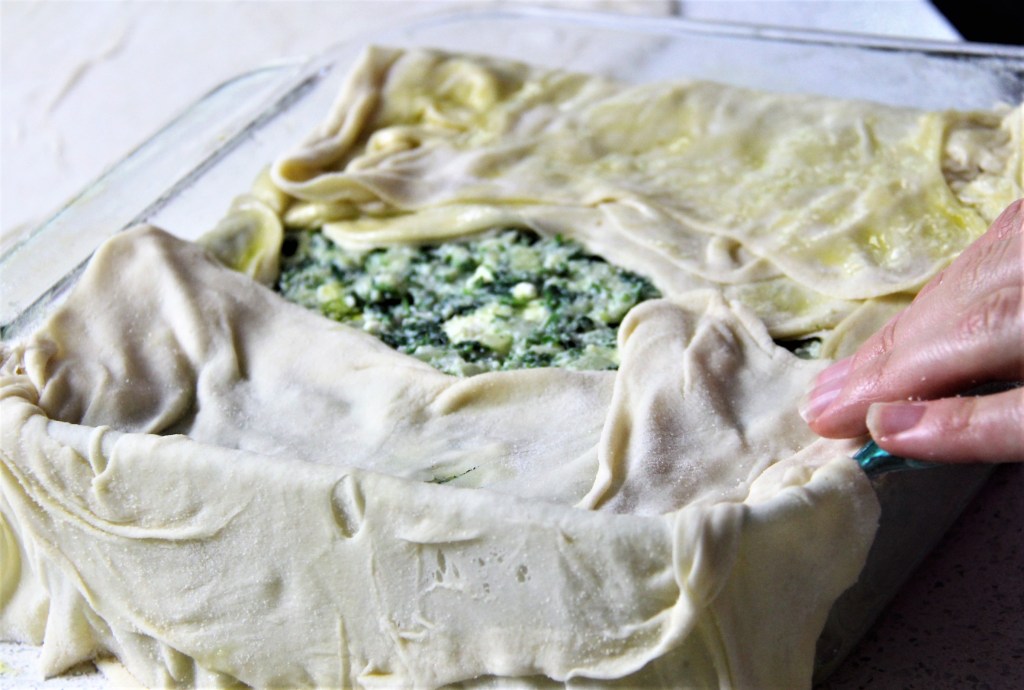
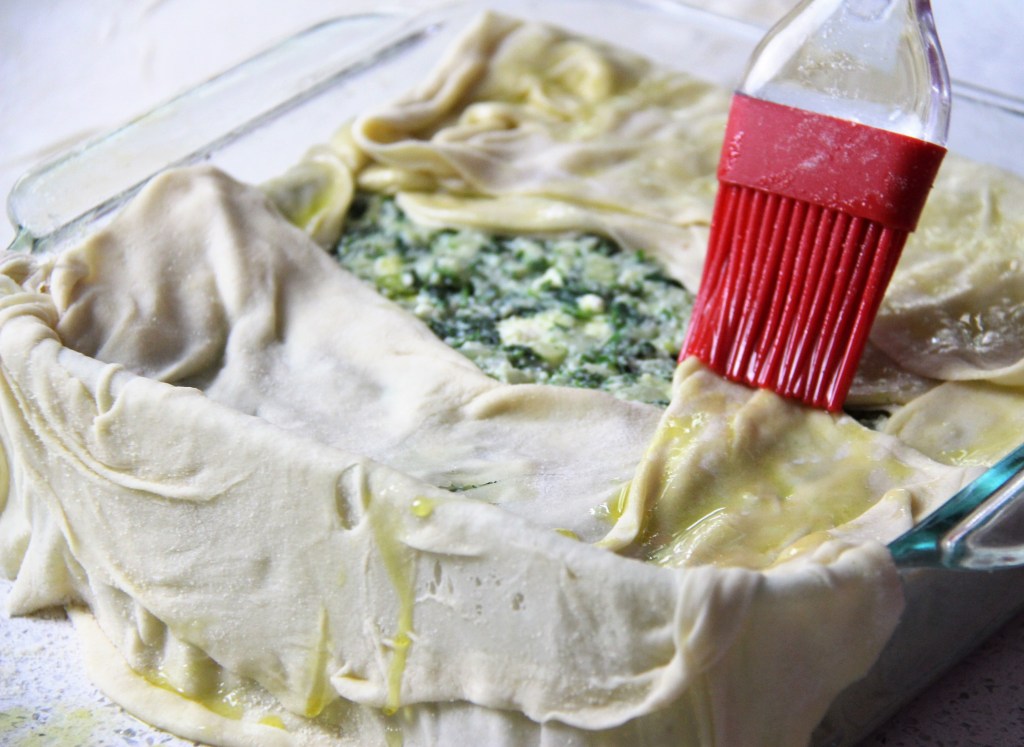
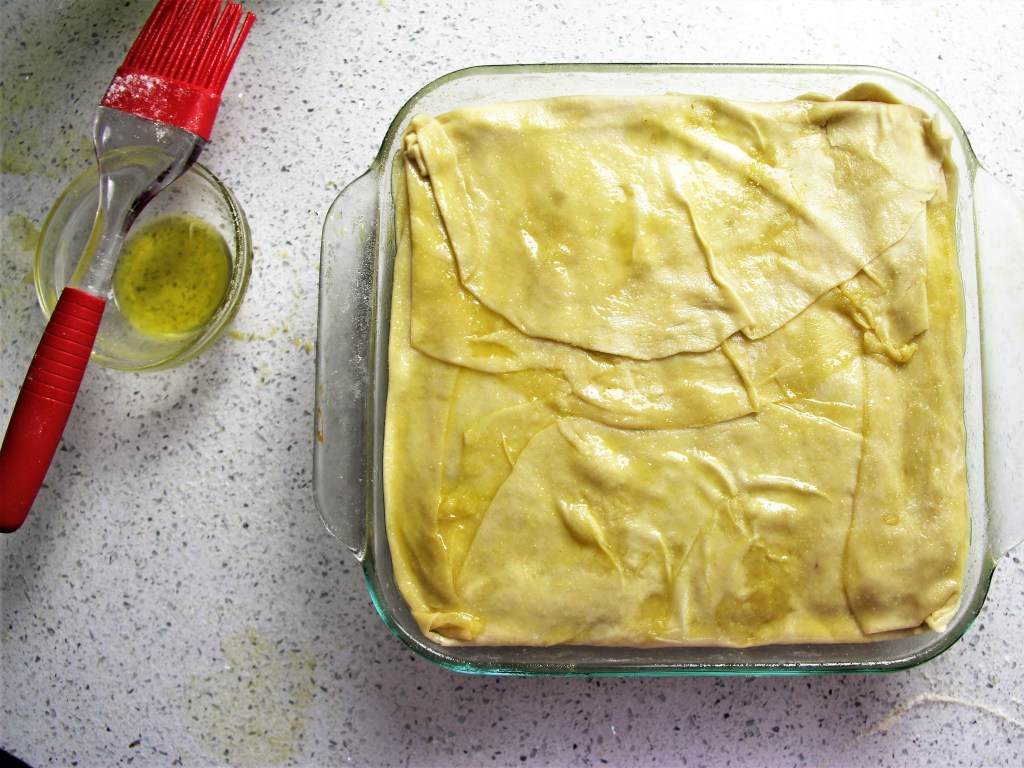
Take-Home Tips: The white vinegar (apple cider or white wine vinegar) break down the gluten in the dough and tenderize or soften it. It is optional, but I would recommend. This is the softest, most lovely dough I have ever made. Of course, the amount of flour you need may be different depending on your location, conditions (humidity), and brand of flour. The cornstarch mixture does not have a pleasant texture (similar to Styrofoam or chalk) and I used a tablespoon to transfer it to the sieve. This way I learned it takes roughly 2 scoops (tablespoons) to dust the dough. If converting the recipe for a larger dish, modify the length of the dough to be 2 in longer than the width of the vessel. To remove some of the cornstarch mixture from the layers, gently brush them over a damp cloth before adding to the dish. If you run out of dough (for whatever reason) and are short a layer or 2, make sure the bottom layers are not skimped as they are the structure of the spanakopita. To keep the bottom layers from becoming soggy, perform several rounds of squeezing the spinach and letting it dry. The onion is also wet and will add moisture. I avoid adding olive oil to the filling to prevent any further moisture and it was never dry. Try adding 1 more egg if you find it dry rather than adding more liquid. The water and oil topping prevents the phyllo from rising during the bake. The scoring of the top layer is for tradition, style, and to prevent flaking apart when serving.
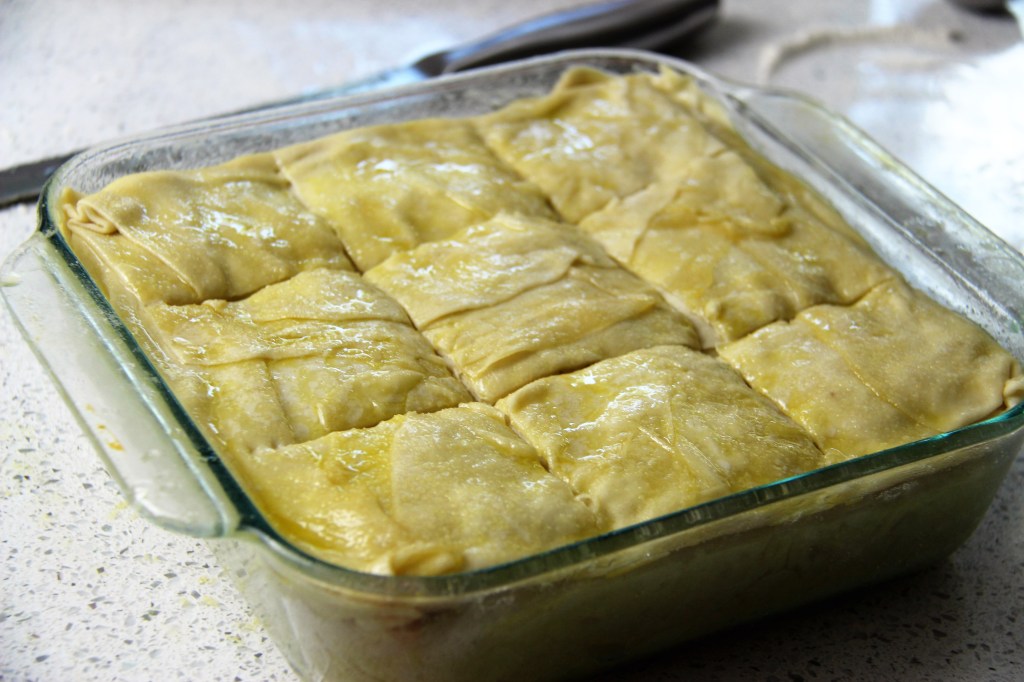
Pre-bake 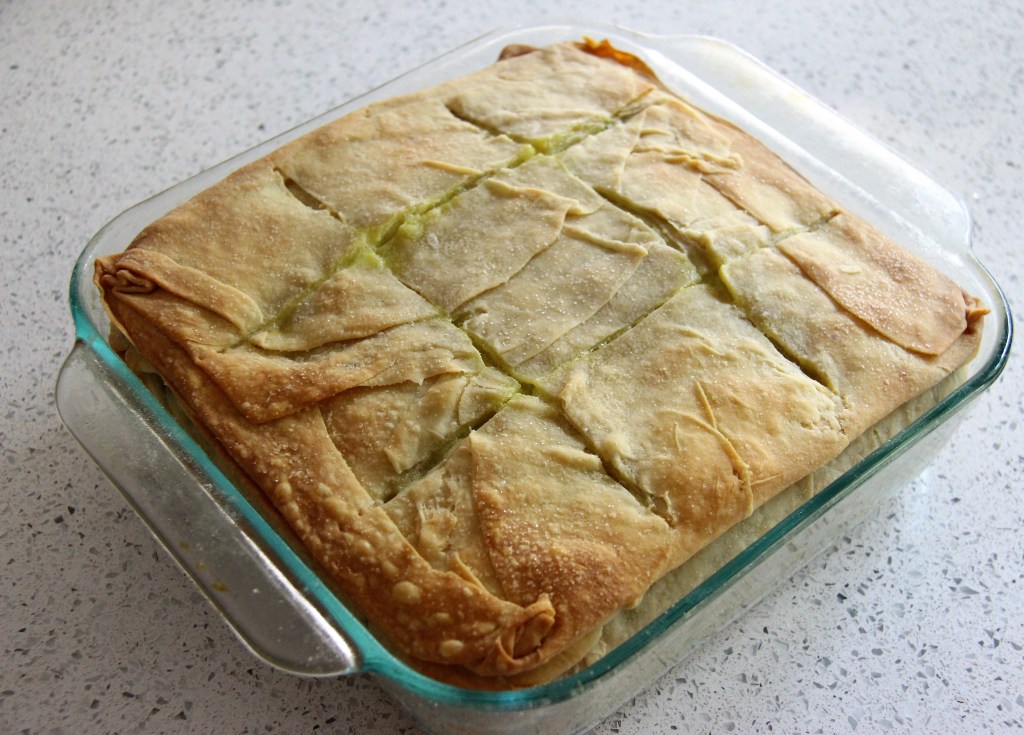
Baked! 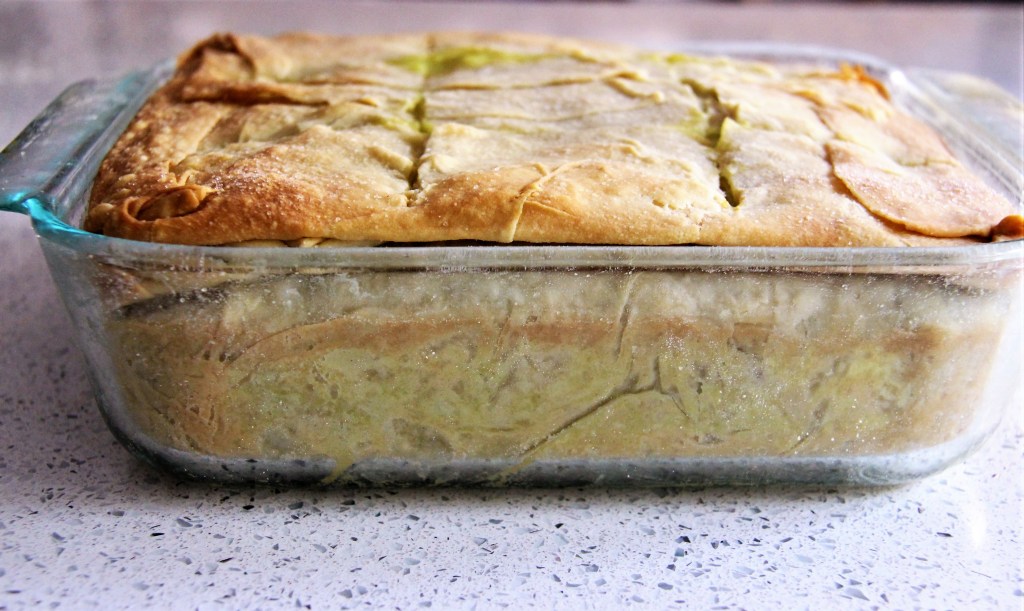
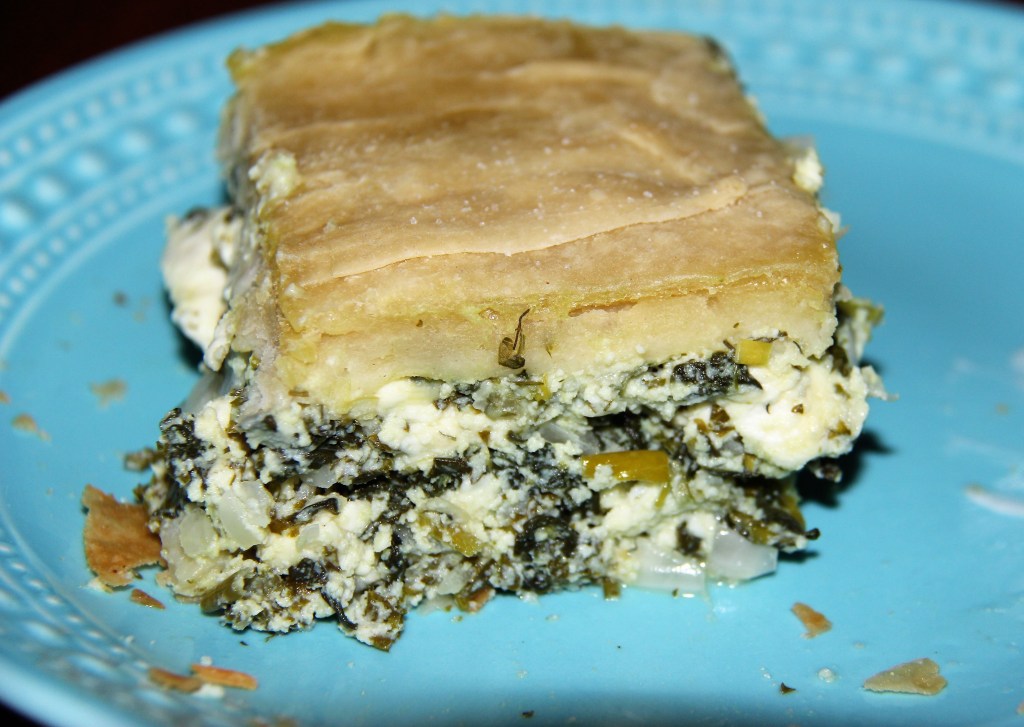
Scoring: Are-We-Eating-This-Whole-Thing-Tonight out of 10. (Just kidding, but probably a 9 of 10). The onion and parsley are strong flavors and if you do not like the taste of raw onion, it might be overwhelming. The onions could be lightly sauted before baking. It tasted like spanakopita, and the phyllo was perfect with the layers able to be separated and eaten one at a time. While baking, I was surprised to notice that the spinach pie smell did not penetrate the house like the croissants or cookies might. As soon as it was out of the oven, we could smell it, but again not as strongly as it tasted. We reheated leftovers in the toaster oven and the microwave to see if it stood up and there was not a noticeable difference. We did 1 minute for 2 pieces in the microwave and it was plenty or 12 minutes on reheat in the toaster oven.
 Food of the Month